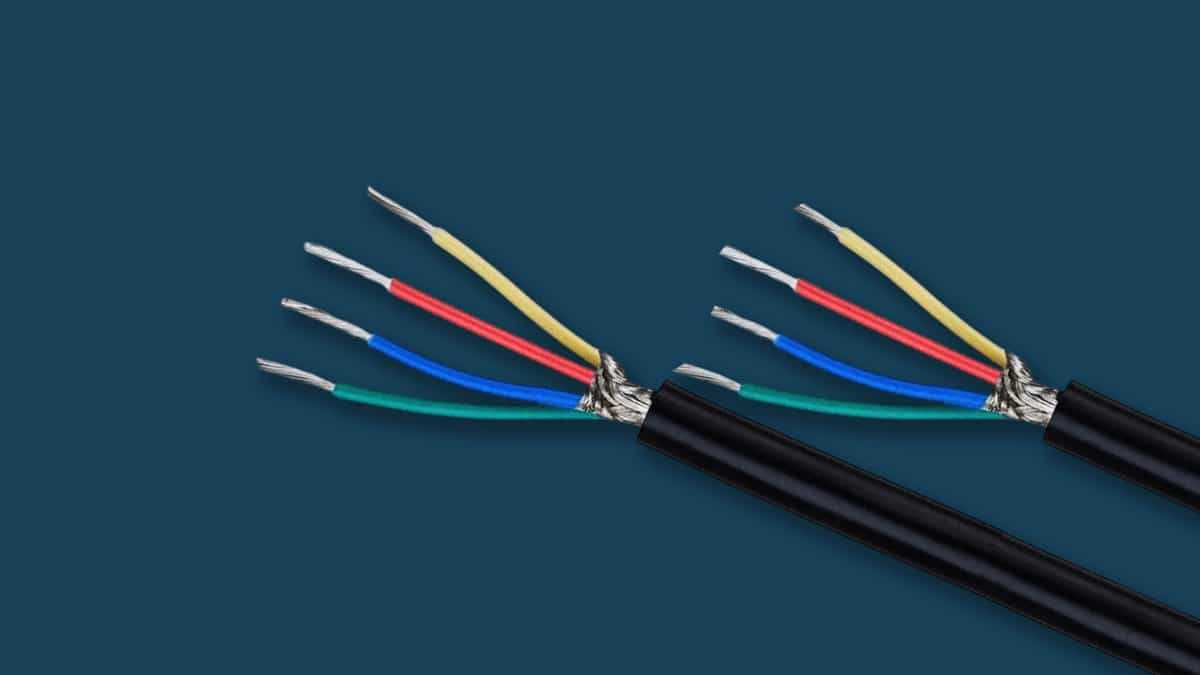
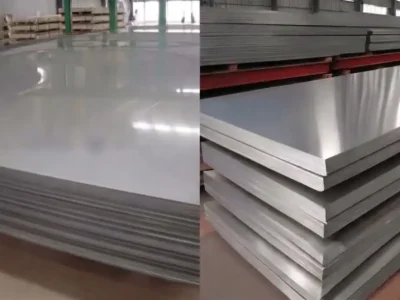
Aluminium wire, a versatile and widely used material in electrical systems, is essential in various applications ranging from residential wiring to industrial machinery. Its unique properties make it an attractive choice for many electrical and structural uses.
This article delves into the types of aluminum wire, their benefits, applications, and much more.
Why Choose Aluminium Wires?
Aluminum wire offers several advantages that contribute to its popularity in electrical installations.
1. Cost-Effectiveness
One of the primary benefits of aluminum wire is its cost-effectiveness. Compared to copper wire, aluminum is significantly cheaper, making it a preferred choice for large-scale electrical projects where budget constraints are a concern.
2. Lightweight Nature
Aluminum is much lighter than copper, which simplifies handling and installation. This lightweight nature is particularly advantageous in applications where weight is a critical factor, such as in aerospace and automotive industries.
3. Conductivity and Performance
While aluminum has a lower electrical conductivity than copper, it still performs exceptionally well in many electrical systems. Advances in alloying and manufacturing processes have further improved the performance of aluminum wires.
Types of Aluminium Wire
Understanding the different types of aluminum wire is crucial for selecting the right kind for your needs.
1. Electrical Wire

- Residential Wiring
Aluminum wire is commonly used in residential settings for branch circuit wiring. It is often found in older homes, providing a cost-effective solution for electrical distribution.
- Commercial Wiring
In commercial buildings, aluminum wire is used for power distribution due to its ability to handle larger currents efficiently. It is particularly useful in high-rise buildings where weight and cost savings are critical.
- Industrial Wire for Heavy-Duty Applications
Industrial aluminum wire is designed to withstand harsh environments and heavy electrical loads. It is used in machinery, power plants, and large-scale manufacturing facilities.
2. Alloyed Aluminum Wire
Common Alloys
Aluminum wire can be alloyed with other metals to enhance its properties. Common alloys include 8000 series, which offers improved strength and conductivity.
Enhanced Properties
Alloying aluminum enhances its mechanical properties, making it more suitable for specific applications. These enhanced wires are typically used in areas requiring high durability and performance.
3. Stranded Aluminium Wire
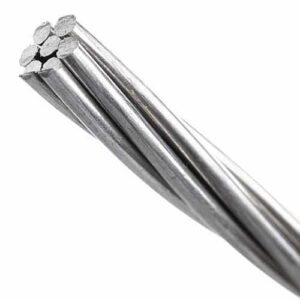
Stranded aluminum wire consists of multiple strands twisted together, offering greater flexibility and resistance to breaking. This type is ideal for applications where the wire needs to bend and flex frequently, such as in portable devices and flexible conduits.
4. Solid Aluminium Wire
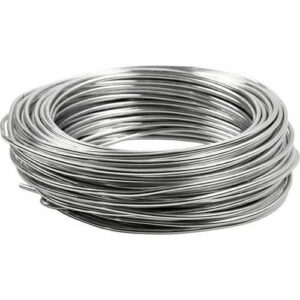
Solid aluminum wire is a single, continuous strand of aluminum. It provides excellent structural integrity and is often used in permanent installations where movement is minimal.
Comparing Aluminum Wire with Copper Wire
When comparing between aluminum and copper wire, several factors come into play.
Cost Comparison: Aluminium wire is typically less expensive than copper wire, making it a more economical choice for many projects.
Performance in Electrical Systems: While copper has superior conductivity, aluminium wire performs adequately in many electrical applications, especially with proper installation and maintenance.
Weight Differences: Aluminium wire is much lighter than copper, reducing the overall weight of electrical installations and making it easier to handle and install.
Common Uses of Aluminium Wire
Aluminum wire is used in various applications across different industries.
Residential Applications: In homes, aluminum wire is used for electrical circuits, particularly in older constructions. It is also used for wiring appliances and lighting fixtures.
Commercial Installations: In commercial settings, aluminum wire is utilized for power distribution systems, lighting, and HVAC systems due to its cost and weight advantages.
Industrial Settings: Industrial applications of aluminum wire include wiring for heavy machinery, power generation equipment, and large-scale manufacturing processes.
Aerospace and Automotive Uses: The lightweight nature of aluminum makes it ideal for use in the aerospace and automotive industries, where weight savings translate to improved fuel efficiency and performance.
Maintenance of Aluminium Wire
Corrosion Prevention: Apply anti-oxidant compounds to connections to prevent corrosion. This is particularly important in humid or corrosive environments.
Aluminum wire is a versatile and cost-effective material widely used in various electrical applications. Its benefits, including cost savings, lightweight nature, and adequate conductivity, make it a suitable choice for many projects. By understanding the different types of aluminium wire, their applications, and proper installation and maintenance techniques, you can ensure safe and efficient electrical systems.
FAQs
1. Is aluminium wire safe for residential use?
Yes, aluminum wire is safe for residential use when installed and maintained properly.
2. How does aluminium wire compare to copper wire in terms of cost?
Aluminum wire is generally less expensive than copper wire, making it a more economical choice for many applications.
3. Can aluminium wire be used in high-temperature environments?
Yes, certain types of aluminum wire are designed to withstand high temperatures. Always check the specifications for temperature ratings.
4. What are the main advantages of using stranded aluminium wire?
Stranded aluminum wire offers greater flexibility and resistance to breaking, making it ideal for applications requiring frequent bending.
5. How can I prevent corrosion in aluminium wire connections?
Use anti-oxidant compounds on connections and ensure proper installation techniques to prevent corrosion.