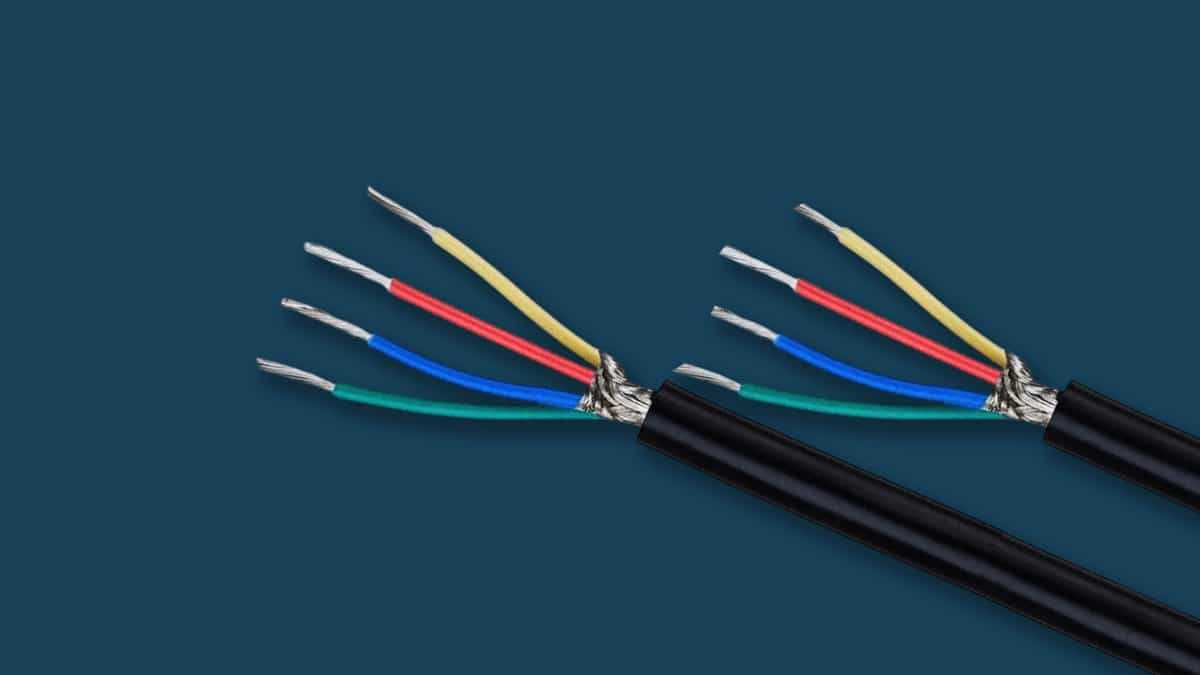
When you look at modern power grids, overhead transmission lines, and even the wiring in some large buildings, one material dominates: aluminium. Despite copper’s long-standing reputation as the premier conductor, aluminium has become the backbone of electrical distribution worldwide. But why? The reasons are a compelling mix of economics, physics, and engineering innovation.
The Primary Advantages of Aluminium in Cabling
1. Lightweight and Strong
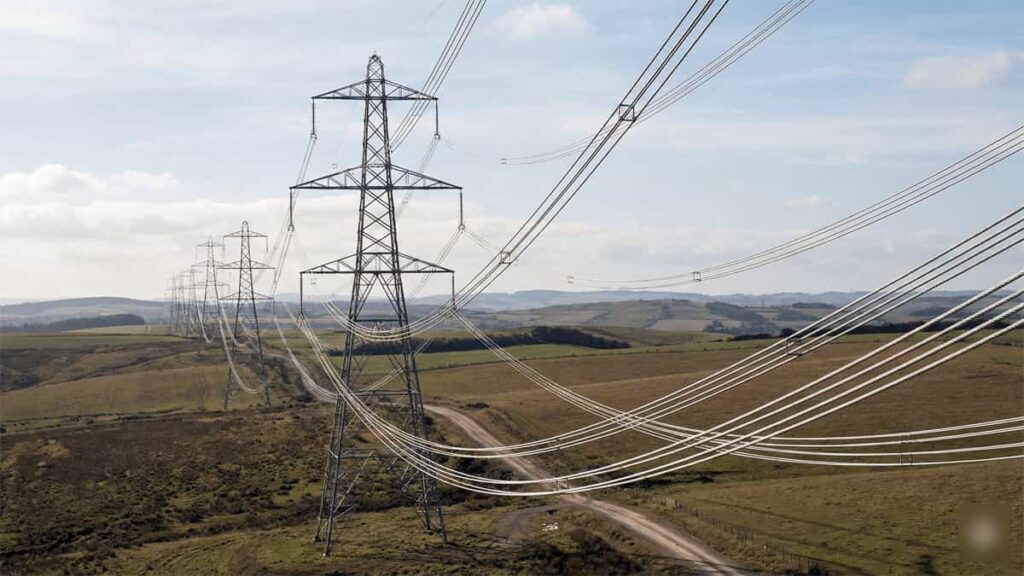
Aluminium is about three times lighter than copper for the same volume. This drastic reduction in weight is critical for long-span overhead power lines, reducing the load on towers and pylons, simplifying installation, and lowering structural costs. Its favorable strength-to-weight ratio makes it ideal for applications where heavy cables would be impractical or prohibitively expensive.
2. Cost-Effectiveness
This is arguably the most decisive factor. Aluminium is significantly more abundant in the Earth’s crust than copper, making it far less expensive. For large-scale projects like national grids or suburban distribution, using aluminium can save up to 50% on material costs compared to copper. This economic advantage allows for the expansion of electrical infrastructure in a more financially viable way.
3. Adequate Conductivity
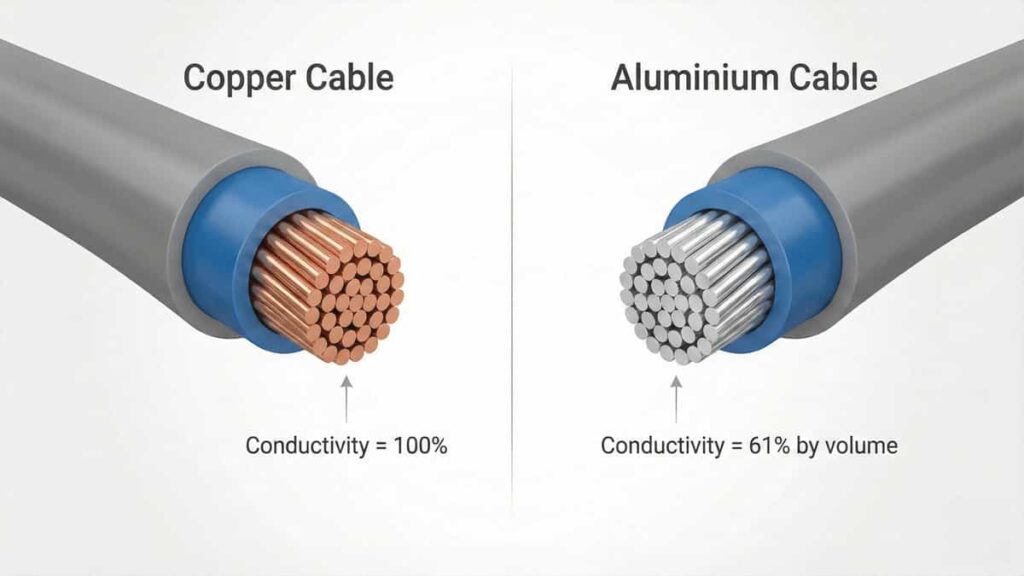
While aluminium has only about 61% of the conductivity of copper by volume, its conductivity-to-weight ratio is actually superior. One pound of aluminium has the electrical conductivity of approximately two pounds of copper. This means that by using a slightly thicker aluminium cable (about 1.5 times the cross-sectional area of a copper one), you can achieve comparable current-carrying capacity at a fraction of the weight, making the trade-off highly advantageous for many applications.
4. Corrosion Resistance
Aluminium naturally forms a thin, protective oxide layer when exposed to air. This layer prevents further corrosion, enhancing the cable’s durability in various environments, including outdoor and industrial settings. Special alloying and treatments can further improve this property.
Overcoming the Challenges
The Evolution of Aluminium Wiring
Historically, aluminium wiring faced challenges, particularly in residential applications. Issues like thermal expansion and creep (a gradual deformation under pressure) could lead to loose connections, overheating, and fire risks in older installations using pure aluminium and improper connectors.
The industry’s response has been transformative:
- Alloying: Modern cables use aluminium alloys (like AA-8000 series) designed for electrical purposes, which improve creep resistance and mechanical stability.
- Specialized Connectors: The use of connectors specifically designed for aluminium, often filled with antioxidant compounds, ensures secure, lasting terminations.
- Proper Installation: Standards and training now emphasize the specific techniques required for safe aluminium cable installation.
Thanks to these advancements, aluminium is now a safe, reliable, and standardized choice for utility and industrial applications.
Key Applications of Aluminium Cables
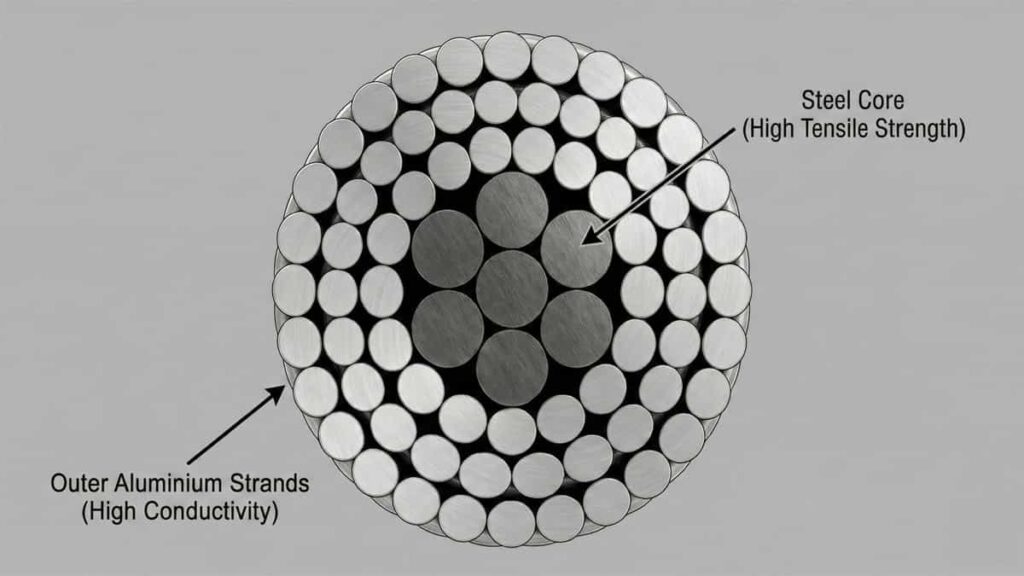
Overhead Power Transmission Lines: The vast majority of high-voltage lines are aluminium (often around a steel core for strength, known as ACSR – Aluminium Conductor Steel Reinforced).
Underground Distribution Cables: For primary and secondary distribution networks.
Service Entrance Cables: Large cables supplying power to residential and commercial buildings.
Industrial Busbars and Wiring: In factories and substations where large currents are carried.
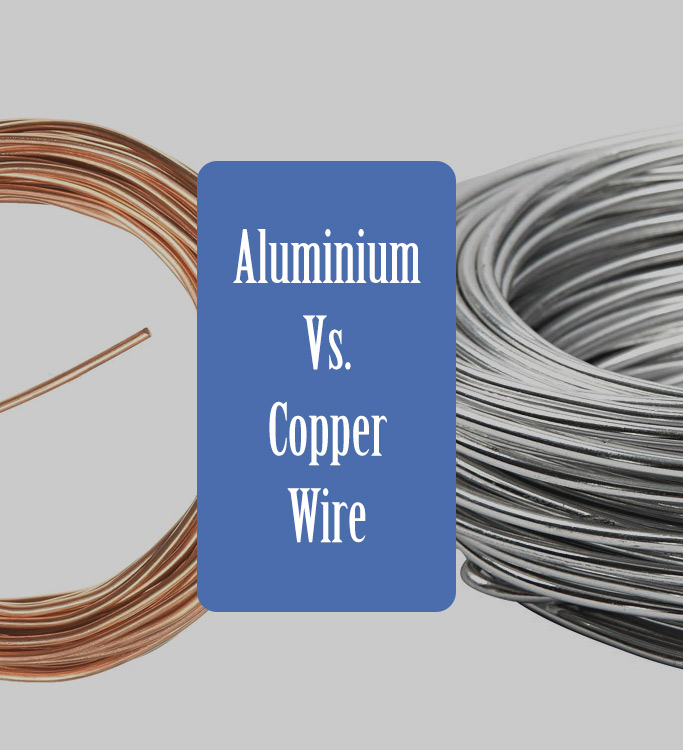
Aluminium vs. Copper
The choice isn’t about one being universally “better.” It’s about selecting the right tool for the job:
- Copper is preferred for final branch circuits in homes, electronics, and applications where space is extremely limited and maximum conductivity per volume is critical.
- Aluminium is the champion for long-distance power transmission, main distribution lines, and any large-scale installation where weight and cost savings are paramount.
For a deeper understanding of aluminium’s role in electrical applications, explore these related articles:
- The Role of Aluminium in Electrical Wire – A focused look at its electrical properties.
- Copper vs. Aluminum Wiring in Homes: Which is Safer and Better? – A modern comparison for residential considerations.
- Why, When and Where We Use Aluminium Wire Instead of Copper – A practical guide to application selection.
- Types of Aluminum Wire – An overview of the different cable designs and alloys available.
- What is Poly Aluminium Wire? – Exploring specialized types of aluminium conductors.
Aluminium’s ascent as the dominant material in power cables is a story of smart engineering leveraging material science. Its winning combination of light weight, low cost, excellent conductivity-to-weight ratio, and durability makes it irreplaceable for electrifying our world. By understanding its properties and the innovations that have addressed its historical challenges, we can appreciate why aluminium isn’t just an alternative to copper—it is the fundamental conductor that powers modern civilization’s electrical infrastructure.
Related Articles


Featured



You May Also Like

Top 20 Differences Between Aluminum and Vinyl Windows

What Frame Material is Best for Pleated Mesh Mosquito Net?

Aluminium Roofing Sheet – Benefits & Drawbacks
Aluminum Channel Shapes: C, U & L Profiles and Their Use…

Aluminium 3005: The Mid-Range Performer