The world is witnessing a remarkable shift towards renewable energy sources, with solar power emerging as a leading contender in the quest for sustainable energy solutions. Among the various components of solar panels, aluminium plays an important role, shaping the efficiency and durability of these renewable energy systems.
As the demand for clean energy grows, so does the significance of materials like aluminium in the solar industry. Aluminium’s unique properties make it an ideal choice for various components of solar panels, contributing to their performance and longevity.
2. The Rise of Solar Energy
In recent years, solar energy has experienced exponential growth, driven by advancements in technology and increasing environmental awareness. The declining costs of solar panels have made them more accessible to homeowners, businesses, and governments alike, accelerating the transition towards renewable energy sources.
3. Aluminium’s Role in Solar Panels
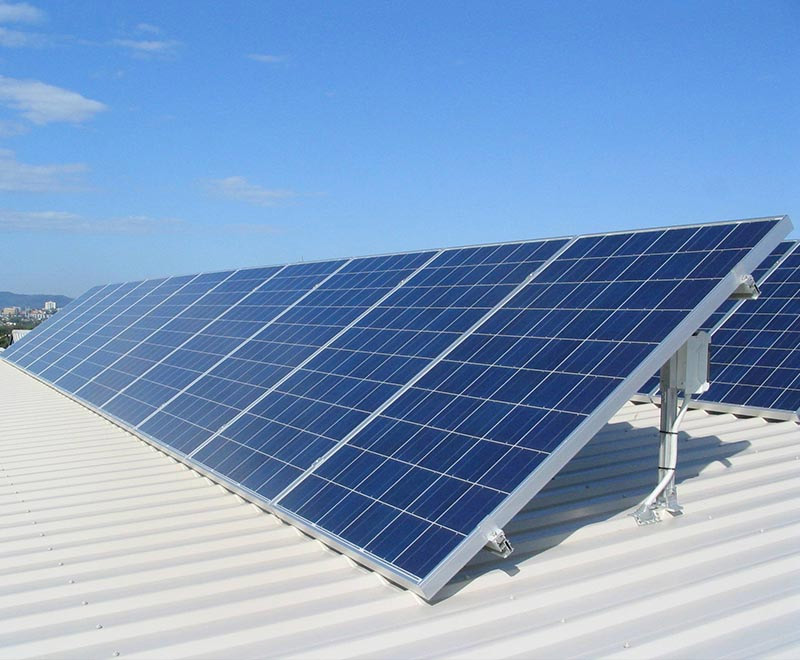
Aluminium’s lightweight nature and exceptional conductivity make it an indispensable material in the manufacturing of solar panels. Its ability to efficiently conduct electricity and withstand harsh environmental conditions ensures the optimal performance of solar energy systems.
4. Advantages of Aluminium Solar Panels
One of the primary advantages of using aluminium in solar panels is its cost-effectiveness. Compared to other materials, aluminium offers a balance between affordability and performance, making solar energy more economically viable for consumers.
Additionally, aluminium’s high conductivity allows for improved energy transfer within solar panels, enhancing their overall efficiency. By minimizing energy losses, aluminium contributes to maximizing the electricity generated from solar energy, ultimately increasing the return on investment for users.
5. Innovations in Aluminium Usage
Recent innovations in aluminium technology have further expanded its applications in the solar industry. Thin-film solar panels, which utilize minimal amounts of aluminium, offer flexibility and lightweight characteristics, making them suitable for various installations, including curved surfaces and portable devices.
Moreover, ongoing research in aluminium alloys has led to the development of materials with enhanced durability and corrosion resistance, addressing some challenges associated with prolonged exposure to outdoor environments.
6. Environmental Impact
In addition to its functional benefits, aluminium also aligns with sustainability objectives due to its recyclability. Unlike some materials used in solar panels, aluminium can be easily recycled without compromising its quality, reducing the environmental footprint of solar energy systems.
Efforts to increase the recycling rates of aluminium contribute to the circular economy, where materials are reused and repurposed, minimizing waste and conserving natural resources.
7. Challenges and Solutions
Despite its numerous advantages, aluminium faces challenges such as corrosion in certain environments. However, advancements in coating technologies and surface treatments have improved aluminium’s resistance to corrosion, ensuring the longevity of solar panels in diverse climates.
Integrating aluminium with other materials in solar panel construction presents another challenge. However, collaborative research and development efforts are exploring innovative methods to optimize the performance and compatibility of different materials, enhancing the overall reliability of solar energy systems.
8. Future Trends and Predictions
Looking ahead, the future of aluminium in solar panels appears promising. The continued expansion of the solar energy market, coupled with ongoing technological advancements in aluminium manufacturing and processing, will drive further innovation in the integration of these materials.
Expectations include the development of more efficient and durable solar panels, facilitated by advancements in aluminium alloys and manufacturing techniques. As the global transition towards renewable energy accelerates, aluminium will continue to play a pivotal role in shaping the future of solar energy technology.
9. Conclusion
In conclusion, aluminium’s versatility and reliability position it as a key enabler of the solar energy revolution. As the world seeks sustainable alternatives to traditional energy sources, aluminium’s contributions to the efficiency, affordability, and environmental sustainability of solar panels make it an indispensable element in shaping the future of energy production.