As energy costs soar and climate challenges intensify, homeowners and businesses are prioritizing energy-efficient roofing solutions. Aluminum insulated roof sheets are emerging as a game-changer, combining durability, thermal efficiency, and long-term cost savings. In Australia, where extreme heat and storms are common, these panels reduce energy bills by up to 30% (Australian Renewable Energy Agency, 2023). Architects and builders increasingly recommend them over traditional materials like GI (Galvanized Iron) sheets for residential extensions, warehouses, and cold storage facilities. Let’s explore why this material is reshaping modern construction.
What Are Aluminum Insulated Roof Sheets?
Composition & Materials Used
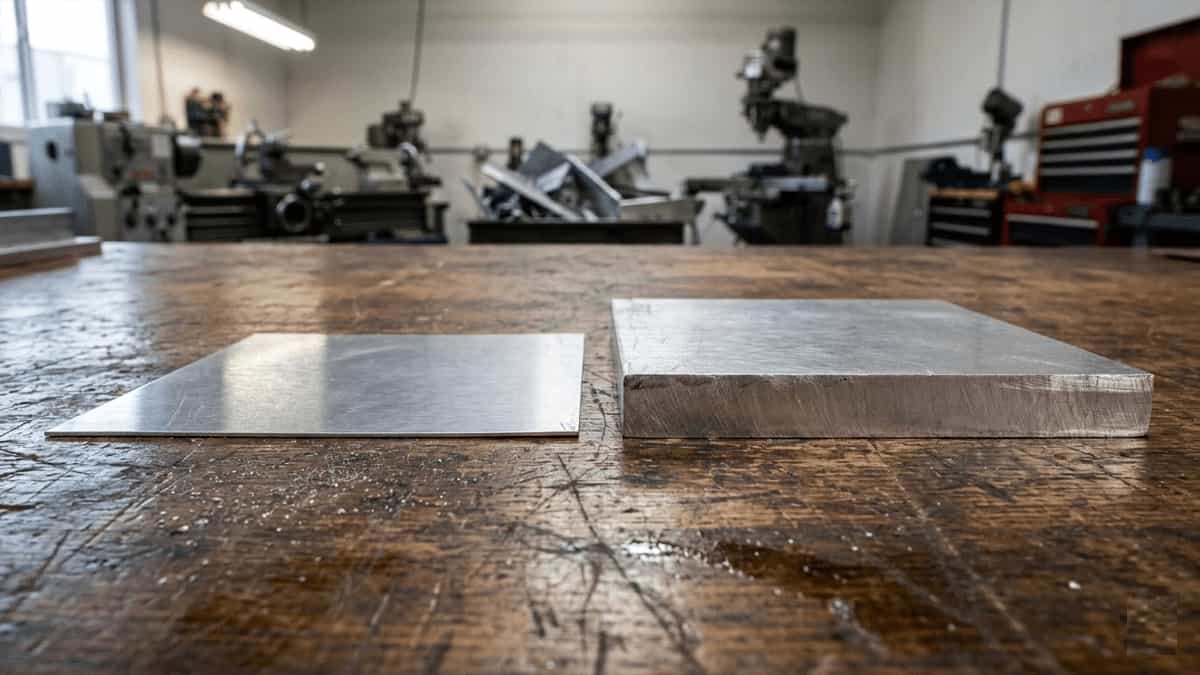
Aluminum insulated roof sheets consist of two aluminum layers sandwiching a core of insulation material like PUF (Polyurethane Foam), EPS (Expanded Polystyrene), or Rockwool. The outer layers are often coated with anti-corrosive finishes (e.g., PVDF) to withstand harsh weather. For example, aluminum crimp roofing sheets are widely used in industrial settings due to their ribbed design, which enhances structural strength.
Types of Insulated Roofing Panels
- PUF Panels: Ideal for thermal insulation and moisture resistance.
- EPS Panels: Lightweight and cost-effective, perfect for residential use.
- Rockwool Panels: Fire-resistant and soundproof, suited for commercial spaces.
How They Differ from Traditional Roofing
Unlike GI sheets or clay tiles, aluminum insulated sheets offer built-in insulation, eliminating the need for separate layers. They’re 50% lighter than GI sheets, reducing structural load (Aluminium Federation, 2024).
Top Benefits of Aluminum Insulated Roof Sheets
Thermal Efficiency & Energy Savings
A study by the U.S. Department of Energy found insulated aluminum roofs can cut HVAC costs by 20–30%. In tropical climates like Queensland, homeowners report 25% lower cooling bills after installation.
Durability & Weather Resistance
Aluminum’s natural oxide layer prevents rust, outperforming GI sheets in coastal areas. Case in point: aluminum roofing sheets in Florida withstood Category 4 hurricanes without damage (Miami-Dade County Building Code Report, 2023).
Lightweight Yet Strong
Weighing just 3–5 kg/m², these sheets reduce foundation stress. They’re strong enough for warehouse roofing, supporting snow loads up to 1.5 kN/m².
Low Maintenance Requirements
Unlike GI sheets, which require anti-rust treatments, aluminum doesn’t corrode. A simple annual rinse with water keeps it looking new.
Cost vs Value — Are They Worth It?
Initial Cost Breakdown
- Aluminum Panels: $30–$50/m² (including insulation).
- GI Sheets + Insulation: $25–$40/m² + $15/m² for separate insulation.
Long-Term ROI with Energy Savings
Over 20 years, aluminum panels save $8,000–$12,000 in energy costs for a 200m² home (Energy Efficiency Council, 2023).
Comparison with Other Materials
- GI Sheets: Prone to rust without regular maintenance.
- uPVC Roofing Sheet: Cracks under UV exposure.
Installation
Time Taken & Safety Tips
A 100m² roof takes 2–3 days. Always use harnesses and non-slip boots.
DIY vs Professional Installation
DIY is feasible for small sheds, but commercial projects demand experts to avoid thermal bridging.
Use Cases — Residential, Commercial & Industrial
Warehouse Roofing
Companies like Amazon use aluminum panels for their durability and energy efficiency.
Home Extensions & Pergolas
Homeowners in Melbourne are pairing these sheets with aluminium sliding doors for seamless indoor-outdoor living.
Cold Storage & Clean Rooms
Hospitals rely on Rockwool-core panels for sterile environments.
What to Look for When Buying Aluminum Insulated Sheets
Insulation Material (PUF vs EPS vs Rockwool)
- PUF: Best for thermal efficiency.
- EPS: Budget-friendly but less fire-resistant.
Thickness & Panel Profile
Opt for 80–100mm thickness for residential use. Ribbed profiles enhance drainage.
Coating & Anti-corrosion Layers
PVDF coatings last 30+ years, while polyester finishes fade in 10–15 years.
Expert Opinion — Are They Really the Future of Roofing?
Dr. Emily Carter, a materials scientist at MIT, states: “Aluminum insulated panels are unmatched in balancing sustainability, cost, and performance.” With innovations like solar-integrated aluminum roofs on the horizon, they’re poised to dominate the market.
FAQs
Q: How long do aluminum insulated roof sheets last?
A: 40–50 years with proper maintenance.
Q: Are they suitable for snowy climates?
A: Yes! Their smooth surface prevents snow accumulation.
Q: Can they be recycled?
A: Aluminum is 100% recyclable, reducing landfill waste.
You May Like to Read:
- Advantages of Aluminium Crimp Roofing Sheets
- Thermal Break Material for Aluminium Windows
- Aluminium vs UPVC Windows
- Aluminium Sliding Window Details
- Energy-Saving Thermal Break Windows
- 10 Advantages of Aluminium Doors
- Aluminium Sheets for Roofing