Aluminum in Roofing
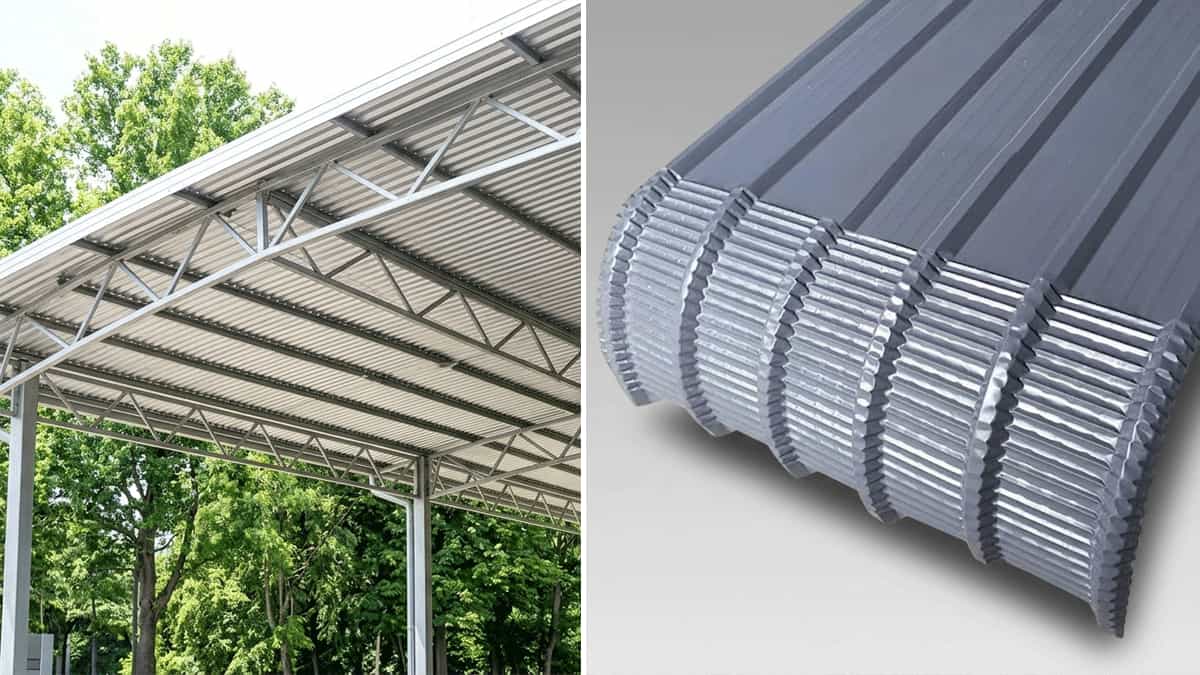
Aluminium entered the roofing scene as a game-changer. Its lightweight, corrosion-resistant properties made it an instant favourite. Over time, aluminum roofing sheets have become more sophisticated, incorporating various designs and finishes meeting diverse architectural needs.
Benefits of Aluminium Crimp Roofing Sheets
- Durability: Exceptionally long-lasting. They can easily withstand harsh weather conditions, including heavy rain, snow, and high winds, without structural deterioration.
- Lightweight Build: One of the standout features of aluminium is its light weight. This makes it easier to transport and install, reducing the overall labour and structural support required.
- Corrosion Resistance: Unlike steel or alternative architectural metals, aluminium doesn’t rust. This ensures that the roofing remains intact and functional for decades, even in coastal or industrial environments.
- Aesthetic Appeal: Available in a variety of colours and finishes, aluminium crimp roofing sheets can enhance the aesthetic appeal of any building style, from modern to traditional.
Types of Aluminum Crimp Roofing Sheets
4 Main Structural Variations
- ✓ Smooth Crimp Sheets: Features a sleek, polished appearance that is ideal for modern buildings favoring clean lines and minimalistic architectural designs.
- ✓ Textured Crimp Sheets: Adds a deep layer of visual texture and surface finish that can realistically mimic traditional roofing materials like tiles or clay shingles.
- ✓ Painted Crimp Sheets: Coated in a vast selection of durable colors, allowing for complete exterior customization to complement the primary facility frame.
- ✓ Bare Aluminum Crimp Sheets: Offers a raw, high-industrial look typically prioritized for commercial factories and warehouses where aesthetic variety is less of a concern.
Applications of Aluminum Crimp Roofing Sheets
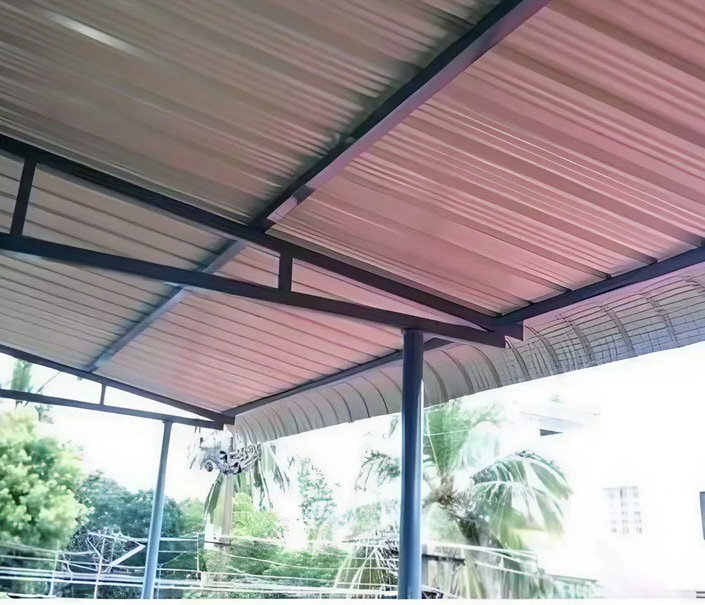
Where Crimp Sheets Perform Best
- Residential Buildings: Perfect for homes due to their incredible durability and visual flexibility. They can be used effectively on various roof styles, from steep pitches to flat profiles.
- Commercial Structures: Offers business structures an attractive, high-traffic, and long-lasting envelope solution capable of resisting intense daily environmental stresses.
- Industrial Facilities: Provides a robust chemical barrier against harsh, corrosive elements, making them ideal for high-exposure manufacturing plants and regional distribution warehouses.
- Agricultural Buildings: Barns, open storage sheds, and livestock structures benefit heavily from aluminium’s complete resistance to rust, rot, and boring pests.
Comparing Aluminum Crimp Sheets with Other Roofing Materials
To help you evaluate your architectural framework against industry standards, let’s contrast how premium aluminium compares to conventional alternatives:
UPSIDES
- ✓ Significantly lighter than steel, speeding up installation and lowering freight costs
- ✓ Inherently rustproof, making it much more reliable in coastal and high-humidity areas
- ✓ Highly sustainable option combining long lifespans with 100% recyclability
DOWNSIDES
- ✕ Higher initial material cost per square foot compared to low-grade structural steel
- ✕ Slightly lower raw tensile limit than heavy-gauge treated iron panels
When placed against traditional non-metal roofing applications, the functional advantages become even clearer:
UPSIDES
- ✓ Outlasts standard asphalt shingles while requiring virtually zero granule maintenance
- ✓ Reflects radiant solar heat away from the building rather than absorbing it into the attic
- ✓ Dramatically lighter and more impact-resistant than heavy clay tiles that crack easily
DOWNSIDES
- ✕ Lacks the specific historic clay-tile texture preferred by certain traditional designers
Common Myths and Misconceptions
Debunking Metal Roofing Myths
- Myth: Aluminium is Too Expensive
Fact: While the upfront material and installation cost is higher than asphalt, the long-term maintenance savings and massive lifespan make aluminium highly cost-effective over time. - Myth: Aluminum Roofing is Noisy
Fact: Modern professional installation techniques combined with standard solid sheathing and attic insulation reduce sound levels so well that they are no noisier than any other roof during heavy downpours. - Myth: It is Prone to Dents and Damage
Fact: Premium, structural-grade aluminium crimp sheets are engineered with precise profiles and tempering to withstand hail and debris impacts without taking structural damage.
Final Wrap
Aluminium crimp roofing sheets offer a compelling blend of durability, aesthetic appeal, and environmental benefits. Whether you’re building a new home or upgrading an existing roof, aluminium is a choice that promises long-term satisfaction and value.
Aluminium Roofing Sheets FAQs
What is the real lifespan of aluminum crimp roofing sheets?
Aluminium crimp roofing sheets are incredibly long-lived and can easily last 40 to 50 years or longer with basic structural care and occasional structural inspections.
Are aluminum crimp roofing sheets suitable for all climates?
Yes. They perform phenomenally across varied climates, ranging from marine coastal locations dealing with salt spray to high-altitude mountainous zones subjected to heavy snow loads.
How do aluminum crimp sheets compare to other options in weight?
Aluminium is significantly lighter than nearly all major commercial roofing mediums. This minimizes structural load stress on the building frames and makes shipping and handling safer.
Can I install aluminum crimp roofing sheets as a DIY project?
While technically possible for highly experienced DIY builders, professional contractor installation is strongly recommended to guarantee appropriate weatherproofing seals and flashing layout.
What routine maintenance is required for an aluminium roof?
Simple structural inspections and clearing debris from valleys or gutters once or twice a year are typically all that is needed to ensure decades of problem-free service.