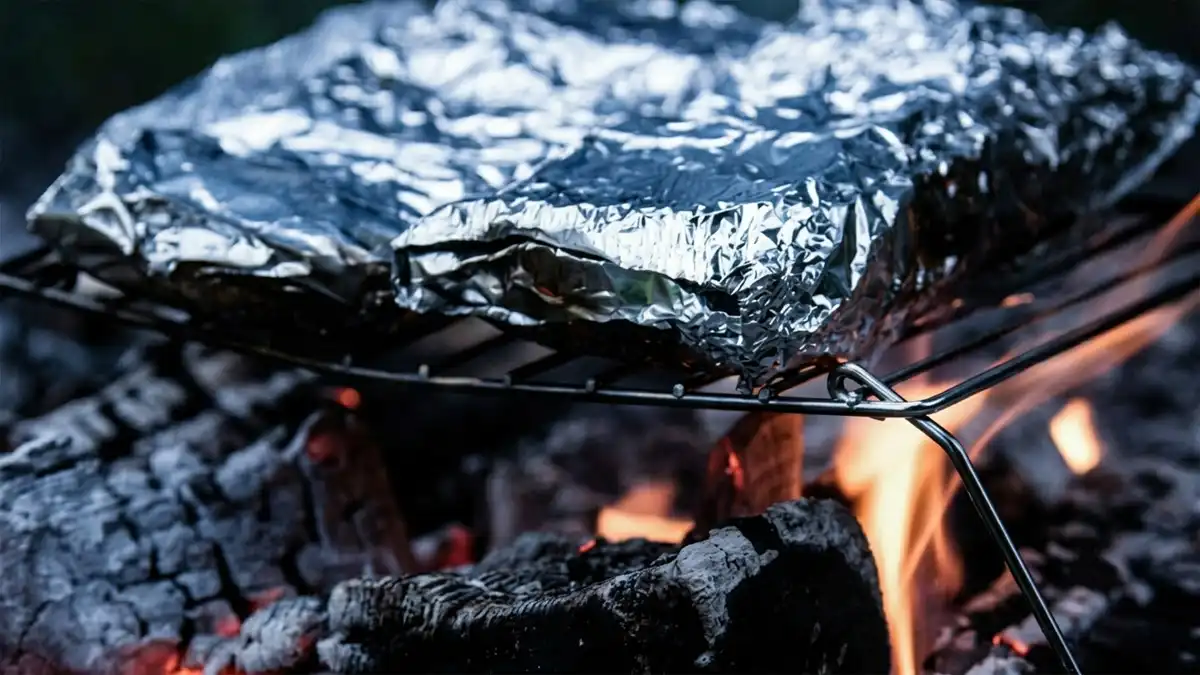
Aluminum foil is a kitchen staple used for cooking, baking, and food storage. However, concerns about its safety and potential toxicity have sparked debates among health-conscious individuals. Is aluminum foil toxic, or is it safe to use? In this article, we’ll explore the facts, risks, and alternatives to help you make an informed decision.
Quick Takeaways: Is Aluminum Foil Safe?
- ✓ General Safety: Standard aluminum foil is considered safe for daily kitchen use when handled properly.
- ✓ Primary Risk: Small amounts of the metal can leach into ingredients under high temperatures or intense heat.
- ✓ Acidic Reactions: Avoid wrapping food items that are highly acidic (like citrus or tomatoes) directly in alu foil.
- ✓ Easy Fix: Using a simple sheet of parchment paper as an intermediate barrier makes oven cooking much safer.
How Does Aluminum Enter the Body?
Aluminum is a naturally occurring metal found in soil, water, and air. It’s also present in many foods, cosmetics, and medications. When it comes to aluminum foil, the primary concern is that small amounts of aluminum can leach into food, especially when exposed to high heat or acidic ingredients like tomatoes, citrus fruits, or vinegar.
Is Aluminum Foil Toxic?
The answer is that aluminum foil is generally safe for most people when used properly.
-Ads-
Aluminium foil use in cooking depends on how you use it. Avoid direct contact with acidic ingredients like lemon or tomato—but adding a layer of cooking paper makes the process safer. To separate fact from fiction, check out our guide on aluminum foil facts vs. myths.
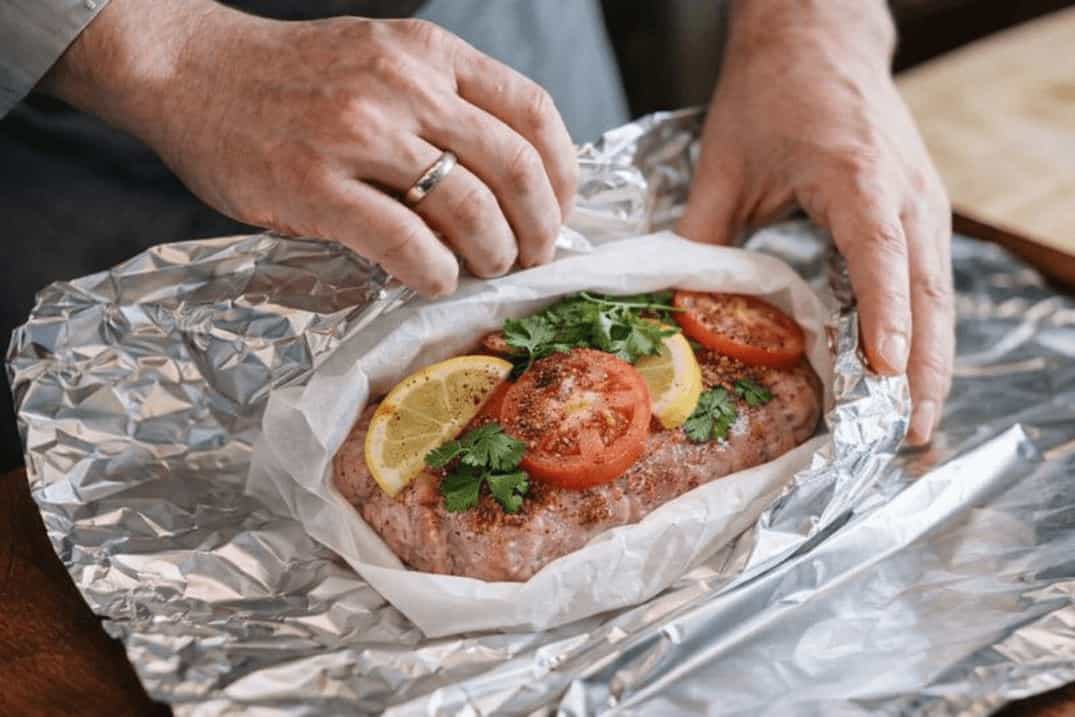
However, there are some potential risks to consider:
1. Aluminum Accumulation in the Body
Excessive exposure to aluminum over time can lead to its accumulation in the body. High levels of aluminum have been linked to health issues, including:
- Neurological disorders (e.g., Alzheimer’s disease)
- Bone diseases
- Kidney problems While research has not conclusively proven that aluminum directly causes these conditions, it’s wise to limit unnecessary exposure.
2. Cooking with Aluminum Foil
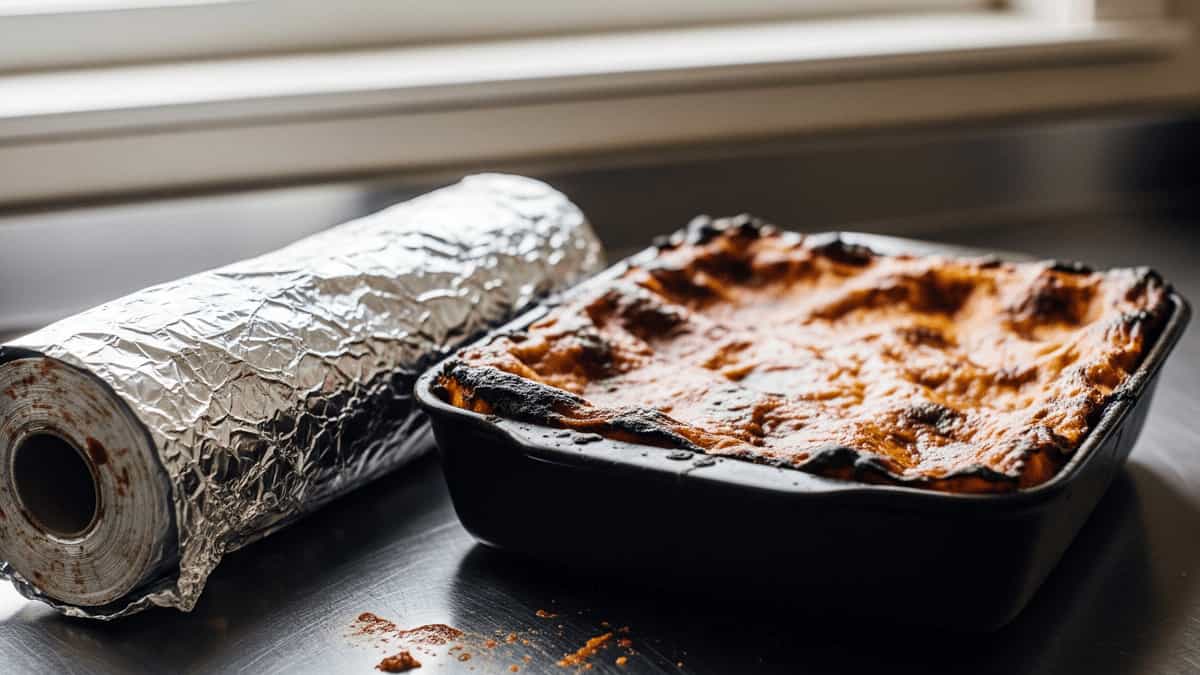
Cooking with aluminum foil at high temperatures or using it with acidic foods can increase the amount of aluminum that leaches into your food. This is especially true for grilling or baking.
Aluminum foil production has an environmental impact due to energy consumption and mining. While this doesn’t directly affect your health, it’s worth considering sustainable alternatives. For a deeper look into what aluminum foil is and how it’s made, read our article on what is aluminum foil.
Smart Cooking with Aluminium Foil Paper
- ✓ Avoid High Heat: Do not use standard foil paper for high-temperature grilling, charring, or open-flame broiling.
- ✓ Watch the Acid: Keep acidic, citrusy, or heavily spiced dishes from contacting the aluminum paper foil directly.
- ✓ Safer Prep: When wrapping food for baking, place a protective layer of parchment paper down before adding the alu foil.
- ✓ Better Storage: Use airtight glass, ceramic, or food-grade stainless steel containers for storing acidic leftovers.
How to Minimize Risks When Using Aluminium Foil
If you choose to use aluminum foil, follow these tips to reduce potential risks:
- Avoid using aluminium foil with acidic or spicy foods.
- Don’t use it for high-temperature cooking methods like grilling or broiling.
- Use parchment paper as a barrier between aluminium foil and food.
- Store food in glass or stainless steel containers instead of wrapping it in foil.
- Limit the use of aluminum foil for reheating leftovers.
Safe Alternatives to Aluminum Foil
If you’re concerned about the potential risks of aluminum foil, consider these alternatives. For a detailed comparison of kitchen wraps, read our guide on foil vs. parchment vs. plastic wrap.
- Parchment Paper
Ideal for baking and cooking, parchment paper is non-toxic and heat-resistant. - Silicone Baking Mats
Reusable and eco-friendly, silicone mats are perfect for baking and roasting. - Glass or Stainless Steel Containers
Use these for food storage and reheating to avoid aluminum leaching. - Beeswax Wraps
A sustainable option for wrapping food without plastic or foil.
BENEFITS
- ✓ Provides an excellent moisture and light barrier for wrapping food safely
- ✓ Highly heat-resistant and flexible aluminum foil shapes perfectly to any pan
- ✓ Extremely affordable and widely available in grocery stores worldwide
DRAWBACKS
- ✕ Raw foil paper can react chemically with acidic or highly salted ingredients
- ✕ Regular aluminum paper foil is single-use and creates household waste
- ✕ Cannot be used inside microwave ovens due to standard electrical arcing risks
The Bottom Line
While aluminium foil is not inherently toxic, excessive or improper use can lead to increased aluminum exposure, which may pose health risks over time. By using aluminium foil mindfully and opting for safer alternatives when possible, you can minimize potential hazards and continue to enjoy its convenience in the kitchen.
Final Thoughts
The key to using aluminium foil safely is moderation and awareness. If you’re concerned about its effects on your health or the environment, explore the many alternatives available. By making small changes in your cooking and food storage habits, you can protect your well-being and reduce your environmental footprint.
Related Articles
Featured


You May Also Like
Why Aluminium Cans Are Only 0.1 mm Thick — Yet Strong Enough…

10 Types of Aluminium Home Doors Based on Operation and Func…
Why Aluminium Is Used in Telescopic Ladders
Aluminium Antimonide (AlSb): The Complete Guide

Aluminium Ladder Manufacturing in India – Market Forecast 20…