
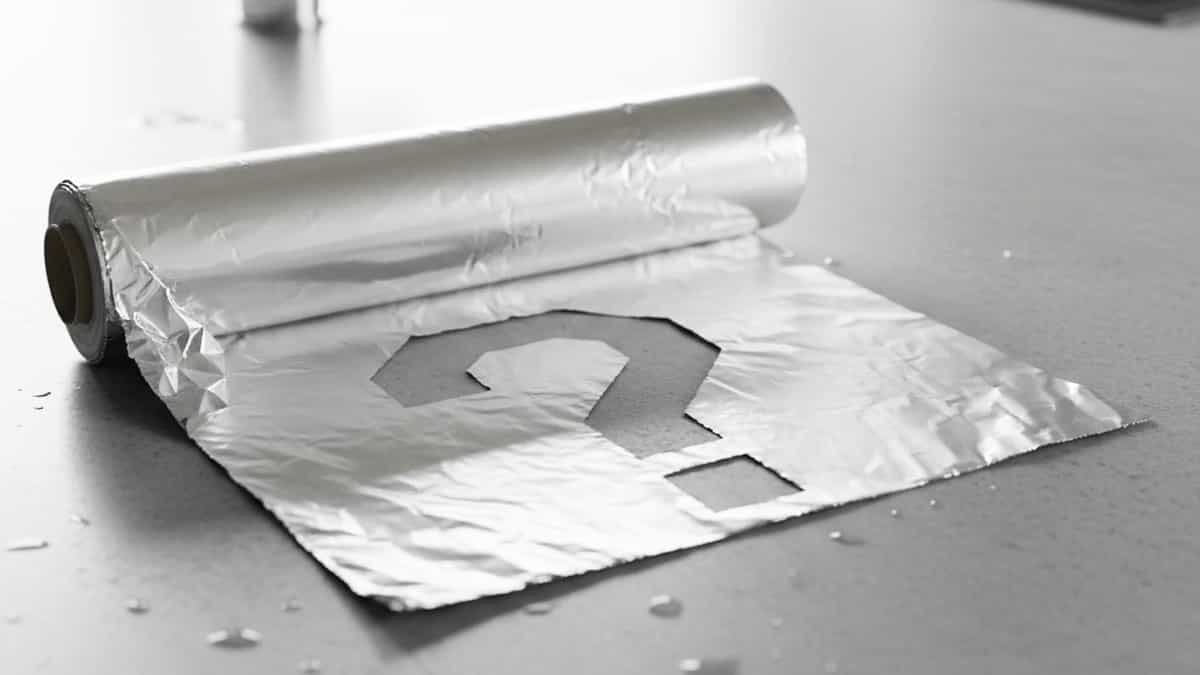
Aluminum foil is a thin, versatile sheet made from aluminium metal. It is widely used in households, industries, and food packaging due to its unique properties and convenience. This lightweight material is created by rolling aluminum slabs into thin layers, resulting in a flexible and durable product.
One of the key benefits of aluminum foil is its ability to withstand high and low temperatures, making it ideal for cooking, baking, and freezing. Its heat conductivity ensures even cooking, while its barrier properties protect food from moisture, light, and contaminants.
In addition to its uses in the kitchen, aluminium foil is also employed in insulation, electronics, and even art projects. Its reflective surface makes it perfect for wrapping and preserving food, while its malleability allows it to be shaped for various purposes.
Aluminium foil is recyclable, contributing to its eco-friendly appeal. Its applications extend beyond the home, as it is used in pharmaceuticals, construction, and aerospace industries. Whether you’re wrapping leftovers or insulating a roof, aluminium foil proves to be an indispensable material in modern life.
Common Questions About Aluminum Foil
To help you better understand aluminium foil, here are answers to some frequently asked questions:
Is Aluminum Foil Toxic?
There’s a lot of debate about whether aluminium foil is safe for cooking and food storage. While it’s generally considered safe, certain practices like using it with acidic foods or at very high temperatures can pose risks. Learn more about this topic in our detailed article: Is Aluminum Foil Toxic? What You Need to Know.
Why Does Aluminum Foil Have Two Sides?
Have you ever wondered why one side of aluminum foil is shiny, and the other is dull? The difference lies in the manufacturing process. Discover the fascinating reason behind this in our post: Why Aluminium Foil Has Two Sides – The Shiny Secret.
Does Aluminum Foil Melt in the Oven or Grill?
Aluminum foil is heat-resistant, but can it melt under extreme temperatures? Find out why it’s commonly used to wrap food items and how it performs in high-heat environments: Does Aluminium Foil Melt in Oven or Grill?.
Can You Put Aluminum Foil in the Dishwasher?
While aluminum foil is durable, it’s not always dishwasher-safe. Using it incorrectly in the dishwasher can lead to damage or even harm your appliance. Learn the dos and don’ts here: Can You Put Aluminum Foil in the Dishwasher?.
How is Aluminum Foil Made and What Are Its Uses?
From production to sustainability, aluminum foil has a fascinating lifecycle. Explore its manufacturing process, advantages, and diverse applications in our comprehensive guide: Production and Uses of Aluminum Foil.
Why Aluminium Foil is a Kitchen Staple
Aluminum foil’s versatility makes it a must-have in every kitchen. Whether you’re grilling, baking, or storing leftovers, it offers unmatched convenience. Its ability to lock in freshness and prevent spills makes it a favorite for home cooks and professional chefs alike.
Environmental Impact of Aluminium Foil

While aluminium foil is recyclable, improper disposal can contribute to environmental waste. By recycling it correctly, you can reduce its environmental footprint and contribute to sustainability efforts.
Related Articles
Featured

You May Also Like

5 Common Problems with Casement Windows (& How to Fix Th…
Aluminium Baking Tray: Pros and Cons, Health Perspective, Cl…

Why Aluminum Insulated Roofing Is Replacing GI Sheets in 202…

Advantages That You Didn’t Know About Aluminium Slidin…

Aluminum Pivot Doors – Why Modern Homes Love Them
