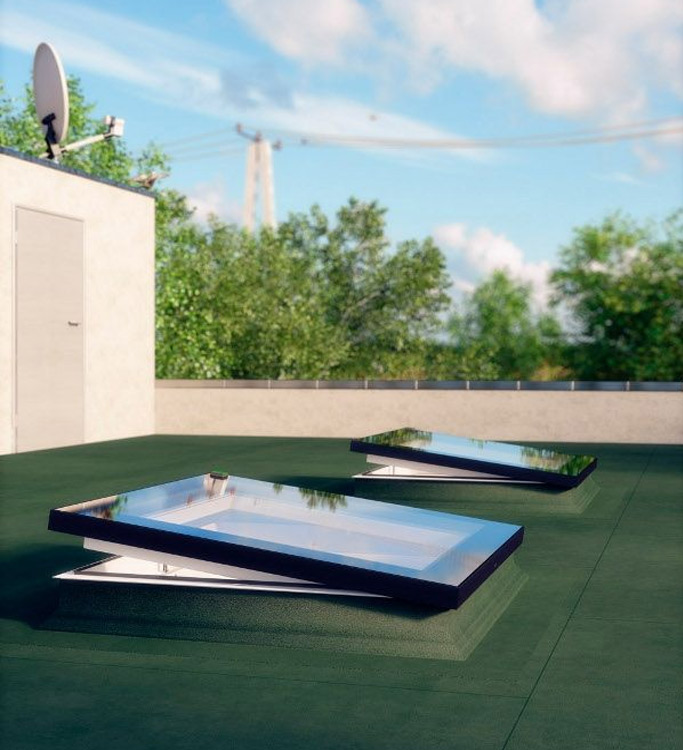
When it comes to enhancing natural light in homes and buildings, skylights are an excellent choice. They not only brighten up spaces but also provide a unique architectural appeal. However, the effectiveness and longevity of skylights largely depend on the material used. In Australia, where the climate can be particularly harsh, selecting the right material is crucial. Aluminium stands out as the best material for skylights in Australia, offering a perfect blend of durability, energy efficiency, and aesthetic appeal.
Understanding the Australian Climate
General Climate Overview
Australia is known for its diverse climate conditions, ranging from tropical in the north to temperate in the south. Summers can be extremely hot, while winters can bring cooler temperatures, particularly in southern regions. This variability demands materials that can withstand significant thermal fluctuations and harsh weather conditions.
Regional Climate Variations
Different regions in Australia experience varied weather patterns. Coastal areas may face high humidity and salty air, whereas inland regions deal with dry heat. Northern parts can experience intense UV exposure, while southern areas might face more significant rainfall and cooler winters. Hence, a versatile material like aluminium is ideal for skylights across the country.
Why Material Matters for Skylights
Impact on Durability
The material of a skylight affects its resistance to weather elements, wear and tear, and overall lifespan. Poor material choices can lead to frequent repairs or replacements, increasing long-term costs.
Energy Efficiency Considerations
Skylights play a significant role in a building’s energy efficiency. The right material helps in regulating indoor temperatures, reducing reliance on artificial heating and cooling systems, and ultimately lowering energy bills.
Maintenance Requirements
Maintenance is another critical factor. A durable material with minimal maintenance needs ensures the skylight remains functional and visually appealing without frequent interventions.
Introduction to Aluminium as a Material
Historical Context of Aluminium Use
Aluminium has been used extensively in construction for decades due to its exceptional properties. From window frames to curtain walls, its application has proven beneficial in various architectural contexts.
Key Properties of Aluminium
Aluminium is known for being lightweight yet strong, corrosion-resistant, and highly malleable. These properties make it an excellent choice for construction materials, including skylights.
Advantages of Aluminium for Skylights
Durability and Longevity
Aluminium is renowned for its robustness. It does not warp, crack, or swell under extreme weather conditions, ensuring that skylights remain functional and attractive for many years.
Resistance to Corrosion
Unlike other metals, aluminium forms a protective oxide layer when exposed to air, which prevents further corrosion. This makes it particularly suitable for coastal regions with salty air.
Lightweight Nature
The lightweight nature of aluminium makes it easier to handle and install, reducing labour costs and time.
Aesthetic Appeal
Aluminium can be easily customized to match any architectural style, offering a sleek and modern look that enhances the visual appeal of buildings.
Energy Efficiency of Aluminium Skylights
Thermal Conductivity
While aluminium is a good conductor of heat, modern designs incorporate thermal breaks to prevent heat transfer, making these skylights energy efficient.
Insulation Capabilities
Aluminium skylights can be designed with advanced glazing options that provide excellent insulation, keeping homes cool in summer and warm in winter.
Reflectivity and Heat Regulation
The reflective properties of aluminium help in deflecting heat away from the building, reducing the indoor temperature during hot months.
Aluminium and Sustainability
Recycling and Eco-friendliness
Aluminium is 100% recyclable, making it an eco-friendly choice. Recycling aluminium requires significantly less energy compared to producing new aluminium, reducing the environmental footprint.
Longevity and Environmental Impact
The long lifespan of aluminium skylights means fewer replacements and less waste, contributing to a more sustainable building practice.
Comparing Aluminium to Other Materials
Aluminium vs. Steel
Steel is strong but heavier and more prone to corrosion compared to aluminium. Aluminium’s corrosion resistance and lightweight nature make it a superior choice for skylights.
Aluminium vs. PVC
While PVC is cheaper, it lacks the durability and aesthetic appeal of aluminium. PVC can also degrade under prolonged UV exposure, unlike aluminium.
Aluminium vs. Wood
Wood offers a traditional look but requires extensive maintenance and is susceptible to rot and termite damage. Aluminium, on the other hand, is maintenance-free and long-lasting.
Conclusion
Aluminium stands out as the optimal material for skylights in Australia’s varied climate. Its durability, energy efficiency, and minimal maintenance needs make it a wise investment for both residential and commercial buildings. Whether you’re looking to enhance your home’s natural light or improve your building’s energy efficiency, aluminium skylights offer unmatched benefits.
Related Articles

Featured


You May Also Like
Aluminium 7068 (Aluminum 7068): The Ultimate Strength Alumin…
Why Aluminium Cans Are Only 0.1 mm Thick — Yet Strong Enough…
Top 12 RAL Colour for Aluminium Doors & Windows

Why Do My Windows Feel So Cold? Here’s What’s Really Going O…

Aluminum Angle “L” Shaped