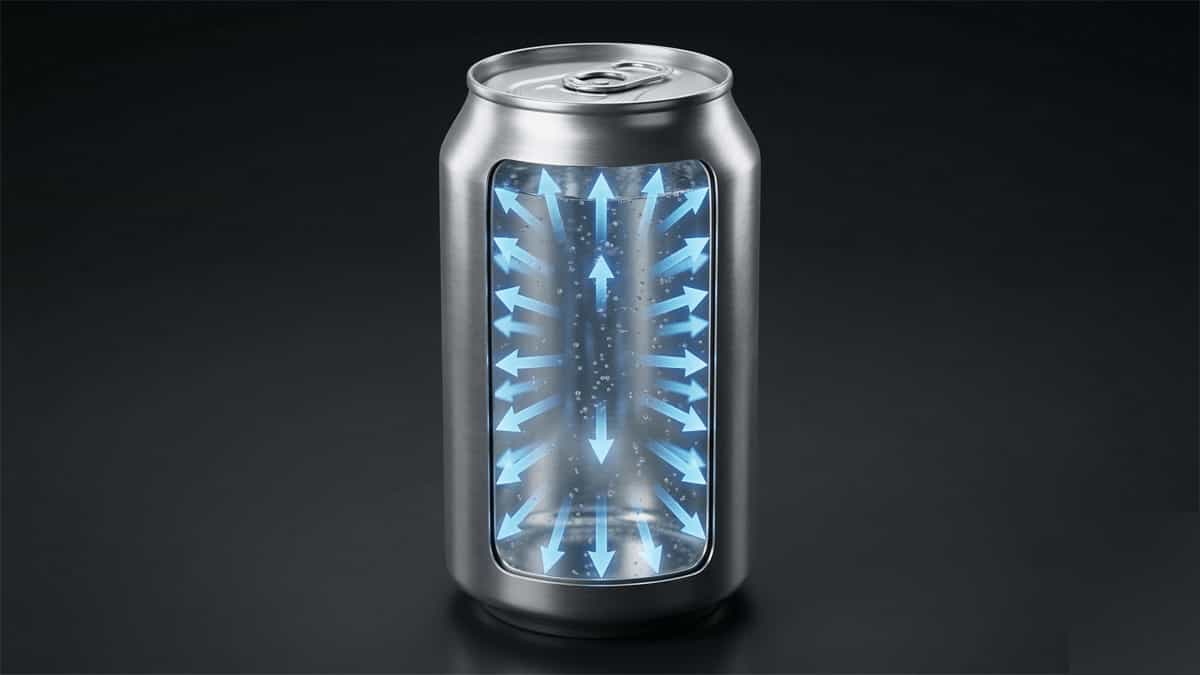
Tempered glass is a safety glass processed to be significantly stronger than standard glass. When broken, it crumbles into small, granular pieces rather than sharp shards, reducing the risk of injury. This combination of strength and safety makes it ideal for a wide range of applications in everyday life, industry, and specialty environments.
1. Buildings & Architectural Glazing
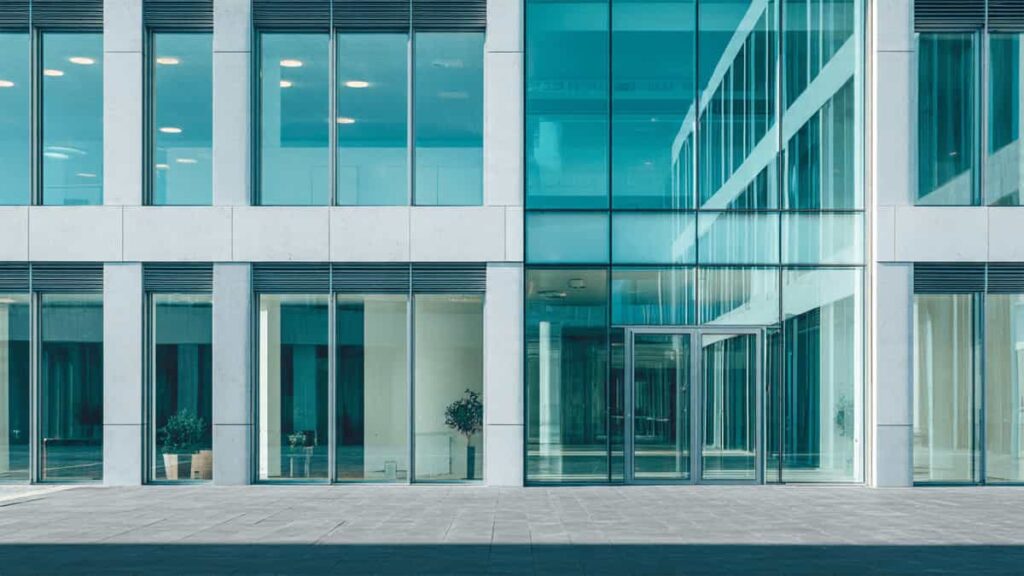
Tempered glass is extensively used in modern construction, especially in doors, windows, partitions, and facades. Its durability and safety compliance meet building codes for public and residential spaces.
- Aluminium Doors & Windows: Tempered glass is the preferred choice for sliding doors, casement windows, and fixed glazing in aluminium frames due to its resistance to impact and thermal stress. It’s often paired with thermal break systems for improved energy efficiency.
- Shower Enclosures & Glass Railings: In bathrooms, balconies, and staircases, tempered glass provides a sleek, secure barrier that can withstand moisture and physical contact.
- Related Reading: What is Tempered Glass? | Tempered Glass for Windows
2. Automotive Industry

Almost all side and rear windows in modern vehicles are made from tempered glass. Its ability to break safely into small pieces helps protect passengers during collisions. Windshields typically use laminated glass, but tempered glass is standard for side and rear windows due to its strength and cost-effectiveness.
3. Home & Kitchen Applications
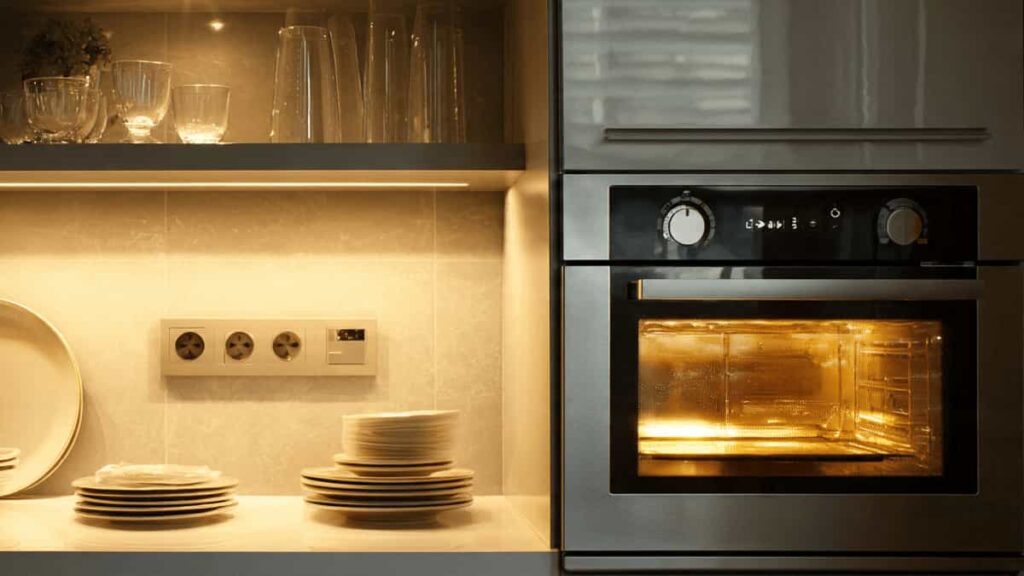
Tempered glass is found in many household items where heat, impact, or safety is a concern:
- Oven Doors & Microwave Plates: It withstands high temperatures without cracking.
- Glass Table Tops, Shelving & Cabinet Doors: Offers a modern look while being resilient to daily wear.
- Backsplashes & Interior Partitions: Adds aesthetic appeal without compromising safety.
4. Electronics & Devices

The screens of smartphones, tablets, laptops, and touchscreen kiosks often use tempered glass—sometimes with additional coatings for scratch resistance and enhanced durability.
5. Commercial & Public Spaces
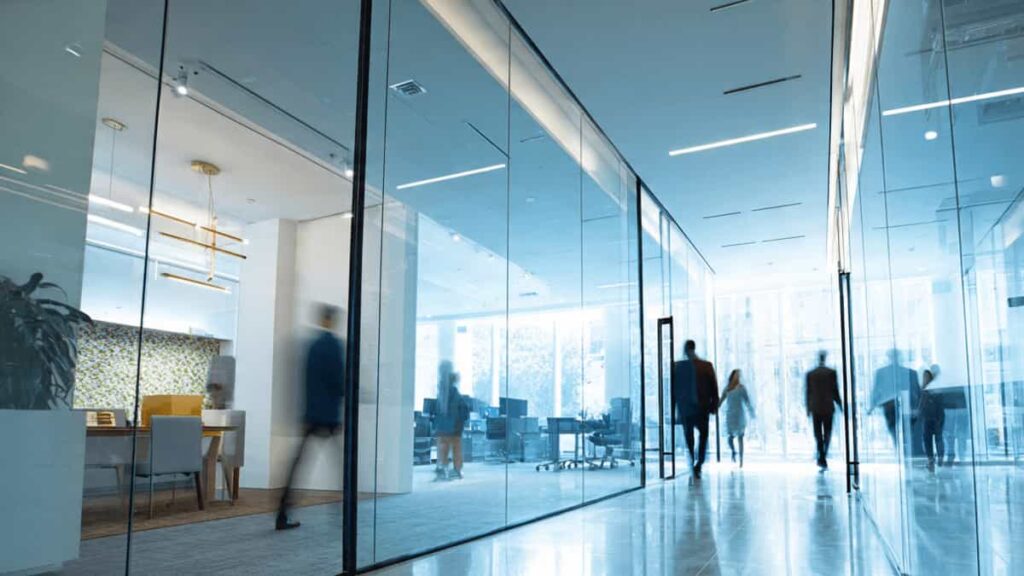
Tempered glass is used in retail displays, office partitions, hotel lobbies, and glass doors in high-traffic areas. Its strength makes it suitable for environments where vandalism or accidental impact is a concern.
6. Sports & Recreational Facilities
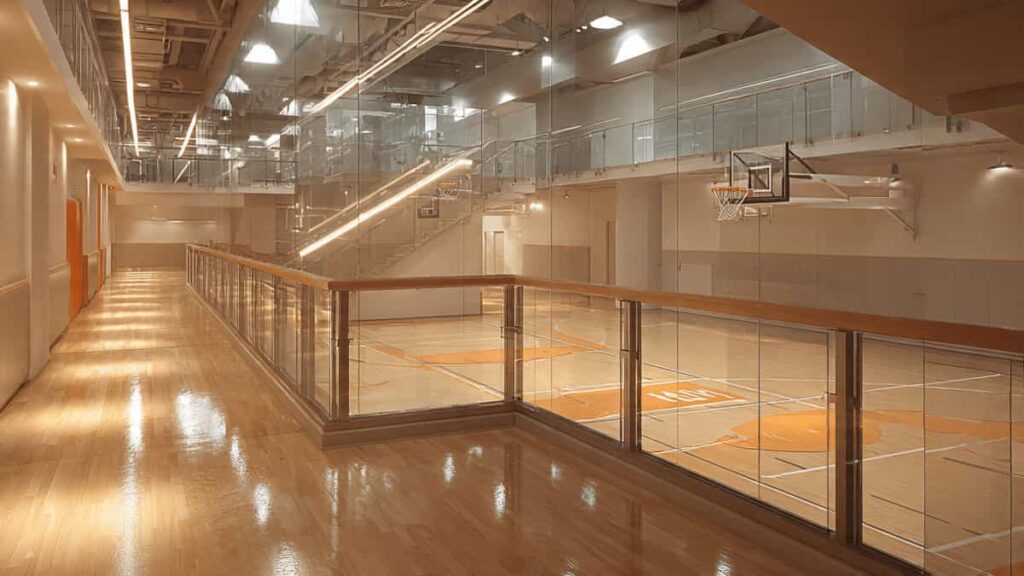
From basketball backboards and hockey rink barriers to swimming pool enclosures and gym partitions, tempered glass ensures player and spectator safety while maintaining visibility.
7. Industrial & Speciality Uses

- Solar Panel Covering: Protects photovoltaic cells while allowing maximum light transmission.
- Laboratory Equipment & Safety Glazing: Used in fume hoods, protective screens, and machinery guards.
- Fire-Rated Glass Assemblies: In some configurations, tempered glass can contribute to fire-resistant building systems.
Why Choose Tempered Glass for Your Aluminium Windows & Doors?
- Safety First: Meets international safety standards for glazing in human-impact areas.
- Enhanced Durability: Approximately 4–5 times stronger than annealed glass.
- Thermal Resistance: Handles temperature variations better, reducing risk of thermal breakage—especially important in energy-efficient windows.
- Design Flexibility: Available in various thicknesses, tints, and finishes to match architectural styles.
Practical Tip: If you’re installing new aluminium windows or doors, always specify tempered glass for panes that are large, low, or near walkways. For more guidance, see our article on Types of Glass for Aluminium Doors & Windows.
-Ads-
What Causes Tempered Glass to Break?
While highly durable, tempered glass can still fracture due to edge damage, thermal stress, or nickel sulfide inclusions. Understanding these causes can help in proper installation and maintenance. Learn more: Causes of Broken Tempered Glass.
Summary:
Tempered glass is a versatile, safety-critical material used across automotive, construction, electronics, home, and commercial sectors. Its strength, breakage pattern, and thermal properties make it an essential component in modern aluminium glazing systems—ensuring safety, compliance, and long-lasting performance.
Related Articles


Featured

You May Also Like

Thermal Insulation for Doors & Windows: Ultimate Guide
Why Aluminium Is Used in Telescopic Ladders

Do You Know? How Curtain Wall Systems Handle Wind Load &…

Types of Aluminium Sheets Used in Construction Projects

Aluminium Casement Windows Design Ideas: Modern Frames for S…