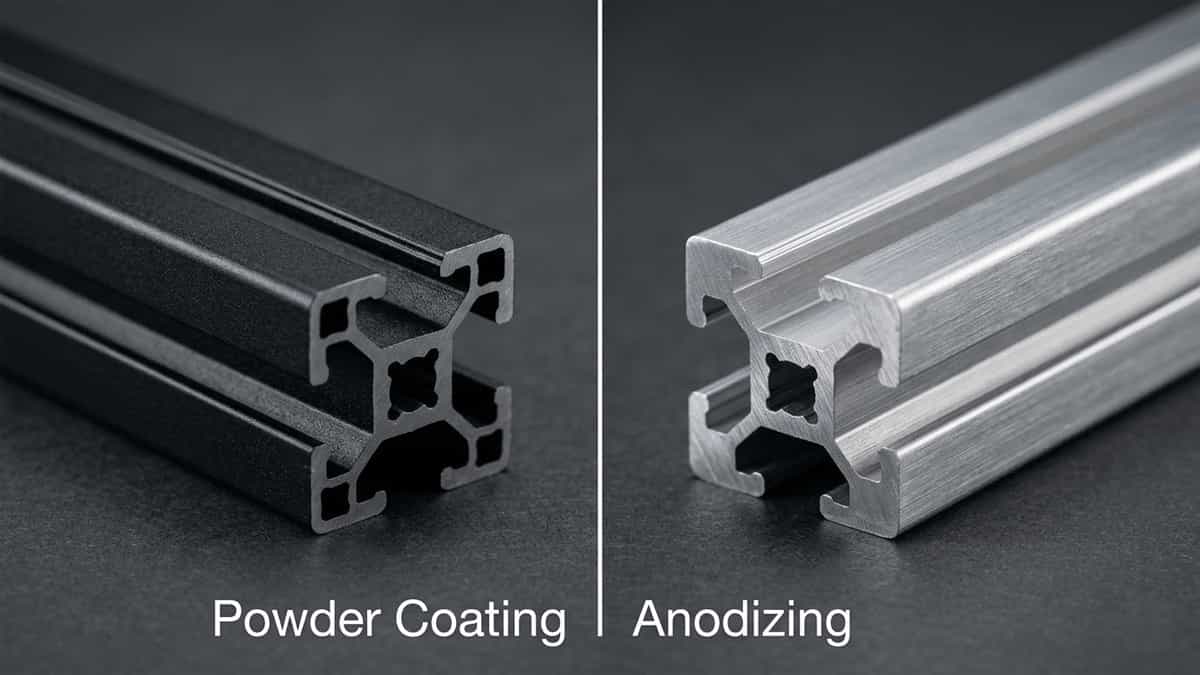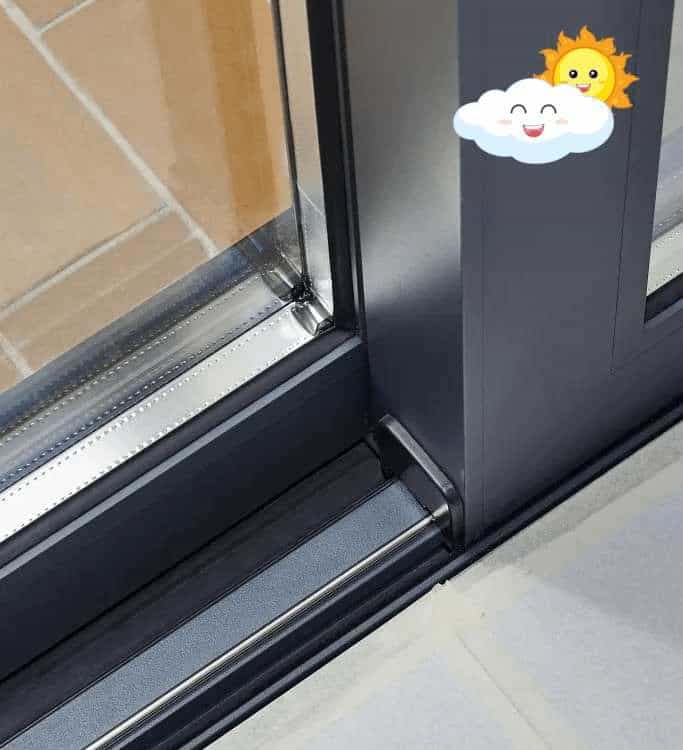
Anodized aluminium is widely used in windows, facades, and architectural structures due to its durable, corrosion-resistant, and low-maintenance finish. But bhai, not every climate is equally kind to metals—even the mighty anodized ones.
To make a smart material choice, let’s break down where anodized aluminium performs best based on climate conditions across key countries and regions.
🗺️ United States – State-wise Performance
- Arizona (AZ) & New Mexico: These dry desert states are ideal for anodized aluminium. Low humidity = minimal corrosion risk. 💯
- California: Especially SoCal and coastal regions like San Diego and LA have mild, coastal climates. Perfect for anodized aluminium — even salt spray isn’t a big threat here.
- Texas: Split climate. West Texas (dry, arid) = excellent. Gulf Coast (Houston area) = humid, needs sealed anodizing or alternate finish.
- Washington State & Oregon: Cool and rainy = decent, but regular maintenance is key to prevent grime buildup.
- New York: Seasonal extremes with snow, humidity, and salt in winters. Good performance if the anodized finish is sealed properly.
-Ads-
-Ads-
🇮🇳 India – Region-wise Performance
- South India (e.g., Chennai, Kerala): Coastal, humid and monsoon-heavy. Anodized aluminium must be high-quality and sealed, or it may degrade over time.
- Western India (Mumbai, Goa): Salt-laden air + high humidity. Coastal-grade anodizing is recommended here.
- North & Central India (Delhi, Bhopal): Hot summers, cold winters, but mostly dry. Ideal for anodized finish longevity.
- Eastern India (Kolkata, Odisha): Hot, humid, and seasonal rains. Moderate performance unless marine-grade anodizing is used.
- Himalayan belt (Shimla, Sikkim): Cold and moist. Not very corrosive but temperature swings require good thermal expansion handling.
🇬🇧 United Kingdom – Regional Climate Compatibility
- South England (London, Brighton): Mild and relatively dry. Anodized aluminium performs well here.
- Wales & Northern Ireland: High rainfall but moderate temperatures. Needs occasional cleaning to avoid grime and mildew on the surface.
- Scotland: Cold, wet, and sometimes snowy. Sealed anodized aluminium is recommended to protect from moisture penetration.
🇦🇺 Australia – Across All 4 Climate Zones
- Tropical North (Darwin, Cairns): High humidity and salt air = tough conditions. Marine-grade anodizing required.
- Dry Central (Alice Springs): One of the best climates for anodized aluminium – dry, hot, and corrosion-proof by default.
- Temperate South (Melbourne, Sydney): Moderate temps and humidity – ideal for standard anodizing.
- Coastal Areas (Perth, Adelaide): Varies. Where salt spray is minimal, anodized finish lasts decades.
-Ads-
🇨🇦 Canada – Regional Notes
- British Columbia: Rainy and cool – decent for anodizing but maintenance required.
- Ontario & Quebec: Seasonal – cold, salt-treated roads in winter. Not ideal unless sealed and maintained.
- Alberta & Prairies: Dry and cold = fantastic for anodized finishes.
-Ads-
🌍 Other T5 Countries – General Climate Fit
- Germany, France, Netherlands: Temperate and low-humidity = great fit for anodized aluminium.
- UAE & Gulf countries: Super dry and hot = anodized aluminium excels here. But heat reflection should be considered in design.
- South Africa (Western Cape): Mild and dry – perfect anodizing weather.
🔍 Conclusion – When & Where It Works Best
Anodized aluminium windows and architectural elements work exceptionally well in dry, temperate, and moderately coastal climates. But in high-humidity, salty, or pollution-heavy areas, marine-grade anodizing with proper sealing is a must.
-Ads-