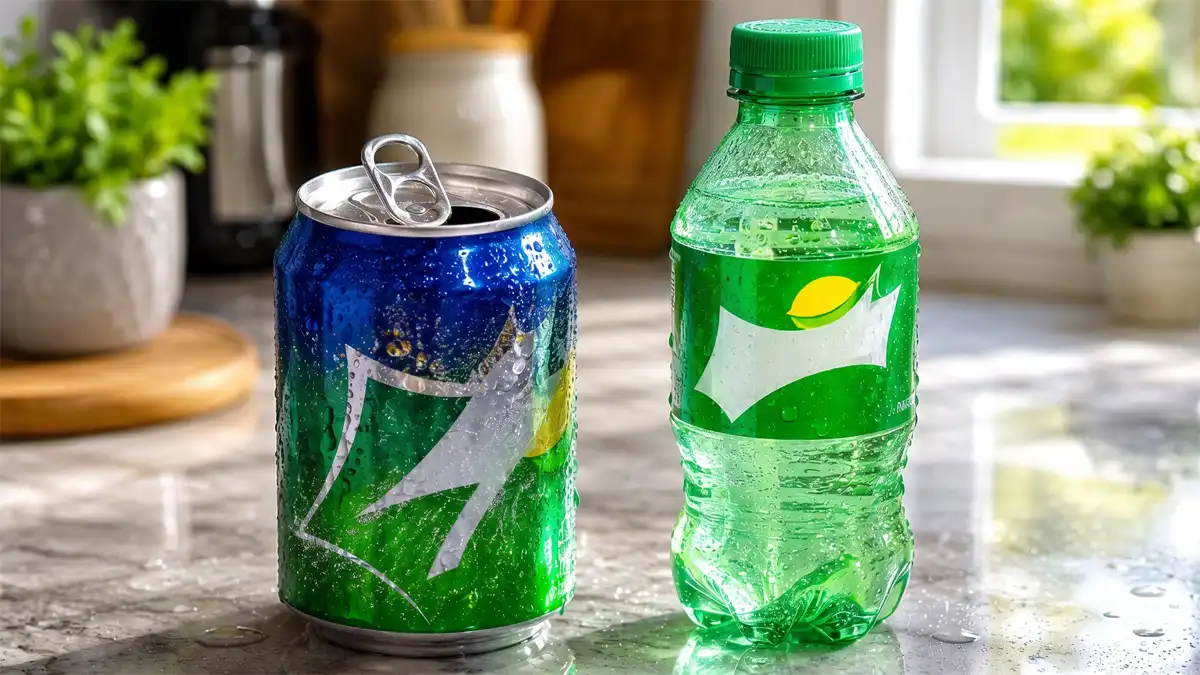
You open a plastic bottle, take a few sips, screw the cap back on, and put it in the fridge for later. Hours later, the drink may lose a tiny bit of carbonation, but much of the crisp fizz is still intact.
Try the same thing with a standard aluminum can, and the experience is completely different.
Once a soda can is opened, there is no practical way to seal it again. Leave half a can on your desk for a while, and the drink quickly goes flat, turning what started as a crisp, refreshing beverage into sweet, flavored water.
This raises an obvious question for consumers and packaging experts alike: If plastic bottles can be easily reclosed, why can’t aluminum cans?
The answer has less to do with engineering limitations and far more to do with how beverage cans were fundamentally designed in the global packaging war.
Key Takeaways: Cans vs. Bottles
- Single-Serving Intent: Traditional aluminum cans are structurally optimized as single-use containers intended to be finished immediately after opening.
- The Decaration Trap: Cans lose their fizz rapidly due to a high surface-area-to-volume ratio at the mouth opening, which accelerates CO2 gas release.
- The Economic Barrier: Adding resealable caps to standard two-piece cans adds massive material costs and throttles high-speed canning line efficiencies.
Cans Were Never Intended for Long-Term Storage After Opening
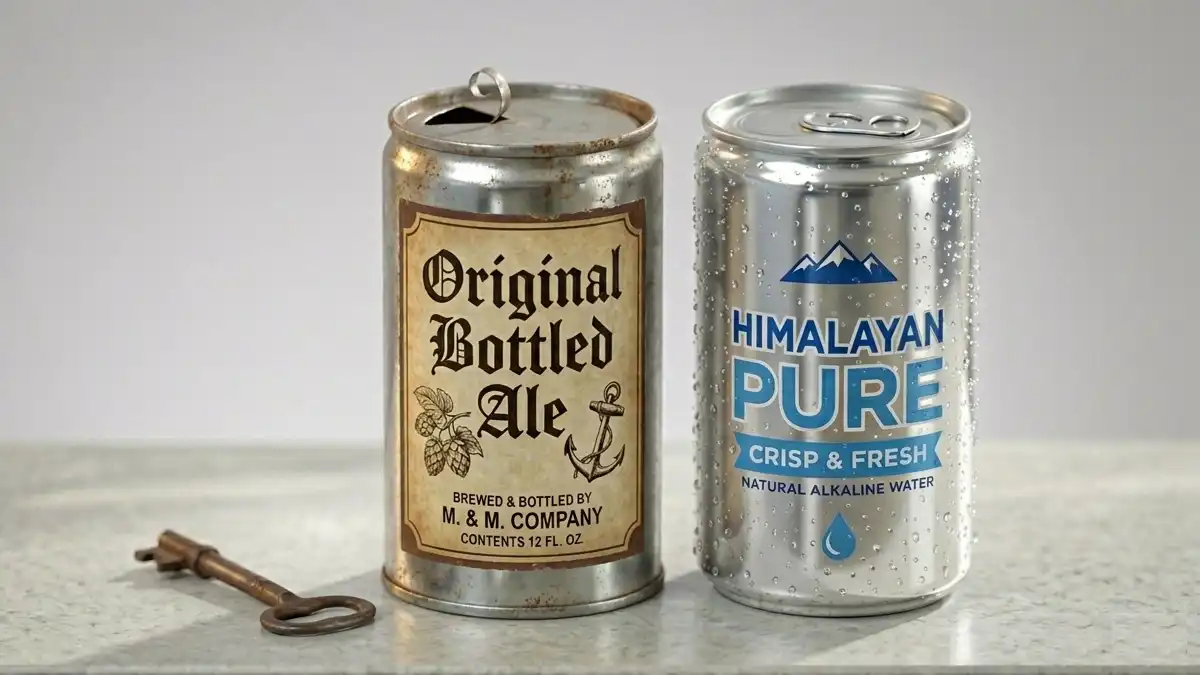
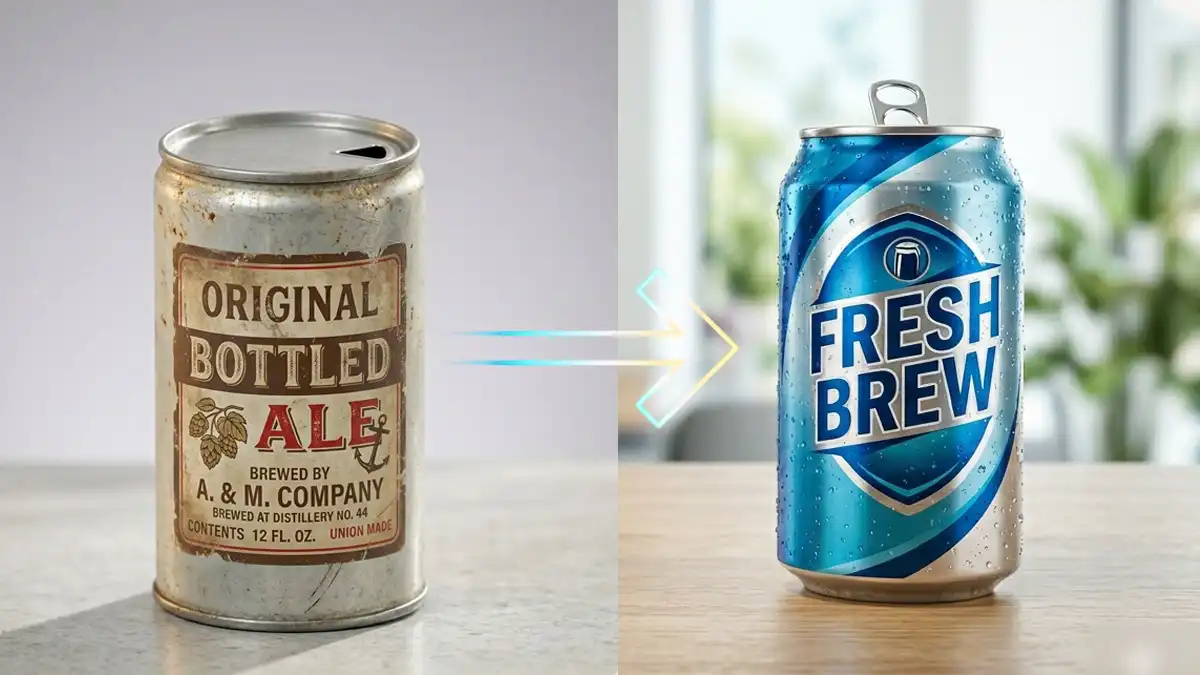
Modern beverage cans are designed around a simple, single-use philosophy: open, drink, and finish.
Unlike plastic bottles, standard cans are considered single-serving containers. Most soft drink and beer cans contain around 12 fluid ounces (355 ml)—a volume manufacturers expect consumers to finish in a single sitting.
Because of this specific consumption assumption, can designers over the decades focused heavily on optimizing everything about aluminum cans, prioritizing:
- Extreme material minimization (lightweighting)
- Blistering production speeds
- Flawless carbonation retention before opening
- Seamless, closed-loop recycling
- Highly efficient shipping cubing
Reclosing the container after it was opened simply wasn’t a requirement on the original blueprint.
Why an Open Can Loses Fizz So Rapidly
Before you lift the pull tab, the inside of a soda can is a perfectly sealed, pressurized environment. The moment that tab breaks the score line, carbon dioxide gas rapidly escapes, creating that familiar, satisfying “pssst” sound.
Once open, the structural difference between a plastic bottle and a can dictates how long the fizz lasts:
- Surface-Area-to-Volume Ratio: The relatively wide mouth of an open can creates a large surface area, accelerating decarbonation (the process of CO2 gas escaping the liquid) far faster than the narrow neck of a plastic bottle.
- Atmospheric Equilibrium: Without a barrier, pressure inside the can drops permanently to matching atmospheric pressure, forcing the carbon dioxide to continually break out of the liquid.
A bottle isn’t perfectly gas-tight either, but its reclosed cap creates a small headspace that quickly re-pressurizes, slowing down the flat-tasting breakdown.
So, Why Not Just Add a Cap to the Can?
At first glance, adding a thread or a resealable cap to a standard can seems like an easy fix. In reality, it disrupts the entire economics of the global beverage industry.
1. Mass Manufacturing Speed and Cost
The modern canning infrastructure is a marvel of high-speed manufacturing. Modern rotary filling and seaming lines operate at blistering speeds—often processing up to 2,000 cans per minute. Introducing a complex, multi-part resealable mechanism would throttle these efficiencies and add massive capital costs.
When analyzing aluminum cans vs. plastic bottles, the incredibly low production cost per unit of a standard two-piece can is its greatest market weapon.
2. Siphoning the Infinite Recycling Stream
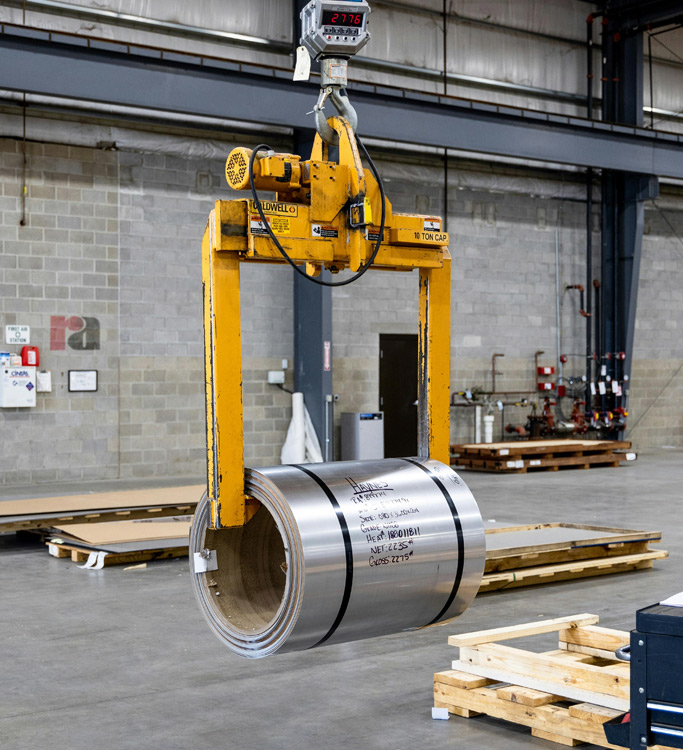
A classic can consists almost entirely of aluminum (often utilizing lightweight alloys like Aluminium 3004 for the body). This material uniformity is what makes the aluminum can recycling process a legendary closed-loop success.
Adding plastic sliders, specialized internal widgets, or composite caps to a traditional can complicates the sorting and smelting process, threatening the pristine recyclability that makes aluminum a sustainable superstar.
3. Industry Alternatives Already Exist
From a beverage brand’s perspective, the problem is already segmented. Consumers who demand multi-serving portability can buy a larger plastic bottle, while those wanting immediate cold delivery choose a can.
Have Reclosable Aluminum Cans Ever Been Invented?
Yes. Over the years, engineers have developed brilliant solutions, including rotating plastic tabs that slide over the can opening to reseal it.
Furthermore, the industry did solve the resealable aluminum challenge through a completely different form factor: Aluminium Bottles. These sleek, impact-extruded bottles feature threaded necks and twist-off metal caps, allowing consumers to reclose them just like plastic.
However, a standard thin-walled aluminum can uses significantly less metal per ounce than an impact-extruded aluminum bottle. Because a classic two-piece can remains king of mass-market cost efficiency, the added production expense of resealable alternatives has prevented them from achieving widespread, industry-wide adoption.
The Real Trade-Off Nobody Talks About
The ultimate strength of the traditional aluminum can is also its ultimate constraint. It is a masterpiece of minimalist material engineering—rigid under pressure, incredibly light, incredibly cost-effective, and fully protective of the liquid inside until the moment it is cracked open.
But once that tab is pulled, its primary mechanical job is done.
Standard Aluminum Cans
- Infinite Recyclability: Pure aluminum can recycling process provides an environmentally perfect closed-loop system.
- Mass Market Economics: Highly cost-effective to manufacture at rapid output scales.
- Maximum Product Protection: Absolute barrier protection against light and air degradation prior to opening.
Resealable Plastic Bottles
- Multi-Sip Portability: Threaded screw caps allow reclosing to slow down decarbonation over time.
- Downcycling Realities: Plastic degradation limits true circular sustainability when compared to metal choices.
- Higher Metal Footprint: Premium alternative metal options like extrusion-formed aluminum bottles require up to 40% more raw material weight.
Plastic bottles trade away production simplicity, material purity, and infinite recycling loops to give consumers the convenience of saving a warm drink for later. For now, the classic aluminum can remains perfectly evolved for its singular, glorious purpose: delivering a cold, intensely fizzy drink meant to be enjoyed right then and there.
FAQs
Can you recycle aluminum cans that have plastic resealable tabs attached?
While they can technically be processed, introducing plastic or composite components to a standard can assembly complicates sorting and thermal smelting lines, which challenges the clean efficiency of the typical aluminum can recycling process.
Why are aluminum bottles resealable but standard soda cans are not?
Aluminum bottles are manufactured using an entirely different process called impact extrusion, which accommodates threaded necks. However, standard two-piece cans use an ultra-thin drawn and ironed architecture that relies on internal gas pressure for structural integrity.