
A Comprehensive Guide for Homeowners and Professionals
Aluminium windows have become a cornerstone of modern architecture, prized for their sleek aesthetics, durability, and low maintenance requirements. However, like any building component, Aluminum frames are not immune to issues. From installation errors to environmental challenges, understanding these common problems is essential for homeowners, architects, and installers alike.
Based on industry reports, manufacturer feedback, and technical analyses, here is a comprehensive list of the top 25 real-world problems affecting Aluminium and Aluminum windows today. For those still in the decision-making phase, exploring the top 10 reasons to choose aluminium for doors and windows can provide helpful context.
Installation & Structural Issues
1. Water Leakage at Frame-Wall Joints
One of the most frequently reported problems is water penetration where the Aluminium frame meets the wall. This occurs due to differing thermal expansion rates between Aluminum and wall materials, creating capillary cracks over time. Improper sealing during installation is the primary culprit.
Solution: Ensure elastic connections are used during installation and that continuous sealing of windows is applied without gaps.
2. Frame Deformation and Poor Rigidity
Windows may feel loose or visibly shake under wind pressure or during operation. This typically stems from choosing profiles that are too thin for the window size or inadequate anchoring to the wall structure. Professionals often use specialized aluminum brackets, L, T, and corner angles to reinforce these structures.
Solution: Select appropriate profile thickness based on window dimensions and installation height. Use reinforced frames for large spans.
3. Improper Glass Installation Orientation
Specialty glass types (reflective, patterned, or frosted) are sometimes installed facing the wrong direction. Patterned glass should have patterns facing outward, while coated glass requires the coating facing inward to function properly.
Solution: Verify manufacturer specifications during installation and clearly mark glass orientation before fitting.
4. Building Settlement Misalignment
As buildings settle over time, Aluminum window frames can shift out of square, causing operational difficulties and seal failures. This structural issue is complex and often requires professional intervention.
Solution: Address foundation issues if severe; otherwise, professional frame reinstallation may be necessary.
Design & Thermal Performance Issues
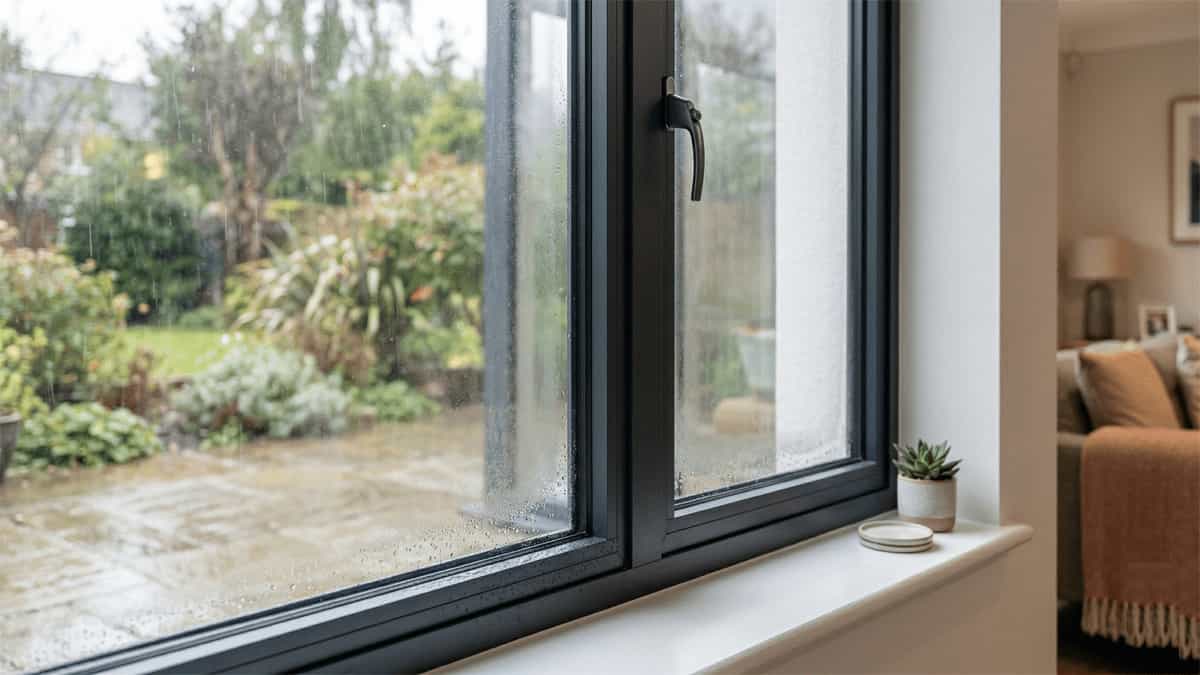
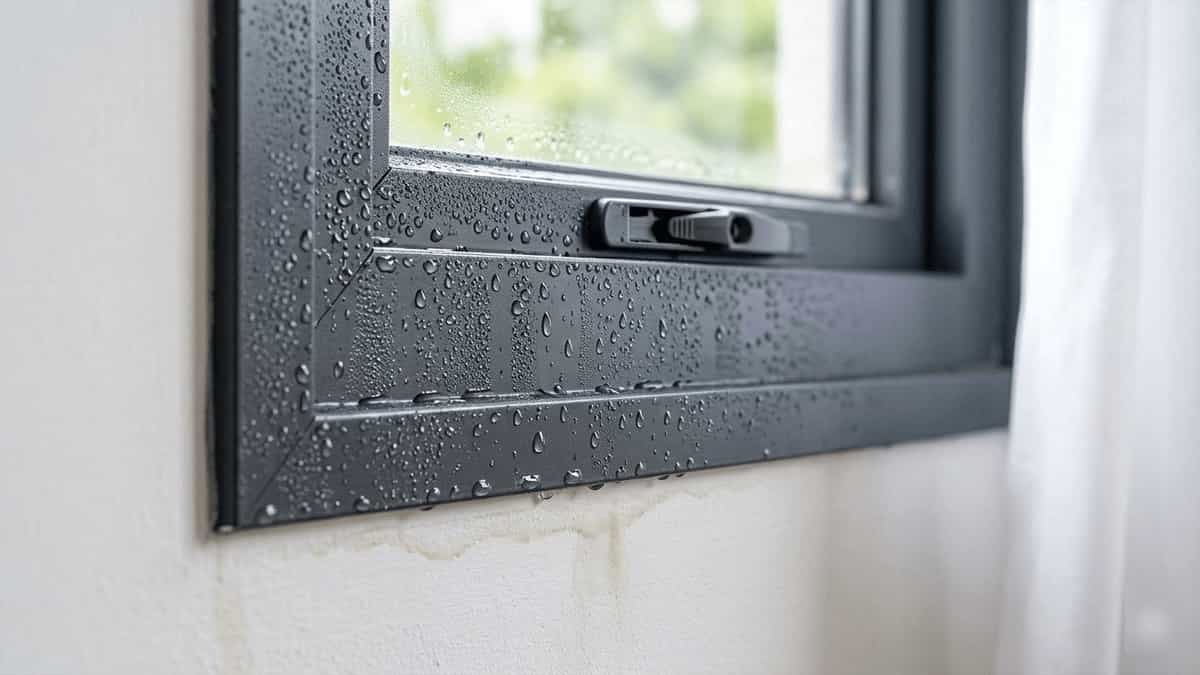
5. Thermal Break Failure (Condensation on Internal Profiles)
The Council for Aluminium in Building (CAB) has warned about a growing “ticking time bomb” where trickle vents—mandatory under building regulations—may allow cold air to circulate around frame perimeters, creating cold bridges that cause condensation on internal Aluminium profiles. This can lead to mold growth and interior damage.
Solution: Proper sealing around trickle vent installations and consideration of thermal break quality. CAB is investigating solutions including sealing modifications.
6. Poor Thermal Insulation (High Heat Transfer)
Traditional Aluminum frames without thermal breaks conduct heat readily, resulting in U-values as high as 2.7 W/m²K for double-glazed units. This significantly impacts energy efficiency and comfort. When comparing materials, it is worth noting the comparison between aluminum vs vinyl vs upvc windows regarding thermal efficiency.
Solution: Specify thermally broken profiles using polyamide strips or pour-and-debridge methods. Modern thermal break technology can reduce heat transfer coefficients by up to 29-35%.
7. Condensation on Glass Panes
Inadequate ventilation combined with high indoor humidity leads to moisture buildup on glass surfaces. This is particularly problematic in kitchens, bathrooms, and during winter months.
Solution: Improve cross-ventilation, use double or triple glazing, and ensure trickle vents are properly installed and maintained. You may also want to research single vs double glazed windows to see which better suits your climate.
8. Excessive Thermal Expansion Issues
Aluminium has medium-high thermal expansion rates. In extreme temperature fluctuations, improperly installed frames may expand and contract excessively, compromising seals and creating gaps.
Solution: Use expansion joints and flexible sealants designed to accommodate movement.
Operational & Mechanical Failures
9. Difficulty Sliding (Sticking/Jerking)
The most common complaint with sliding Aluminum windows is operational difficulty. Causes include debris accumulation in tracks, damaged or flattened rollers, misaligned tracks, and lack of lubrication. If you are looking for design inspiration, check out these aluminium sliding windows design ideas.
Solution: Regular track cleaning with a vacuum crevice tool, silicone-based lubricant application (never oil-based), and roller replacement when worn.
10. Dropped Sash in Casement Windows
When the sash (movable frame) drops too far within the fixed frame, it creates gaps above handles and operational difficulties. This is often due to loose screws or worn hardware. Learn more about maintaining house aluminium windows to prevent such issues.
Solution: Remove the sash, tighten all screws, replace stripped ones, and verify proper alignment before reinstalling.
11. Crank Mechanism Failure
For casement windows, crank handles may become stiff, fail to engage, or break entirely. This mechanism experiences significant wear over time and may require professional replacement. Understanding the 5 common problems of casement windows can help in early diagnosis.
Solution: Lubricate with WD-40 or white lithium grease; if unresponsive, replace the entire crank mechanism with properly measured components.
12. Worn or Stiff Hinges
Hinges can corrode, accumulate debris, or simply wear out, causing windows to become difficult to open or close. In severe cases, visible gaps appear where hinges attach to the Aluminum frame.
Solution: Clean and lubricate hinges; replace if they remain stiff or show visible wear.
13. Paint Buildup Interference
When Aluminium frames are painted (in renovation projects), excess paint can create sticky surfaces between moving components, preventing smooth operation.
Solution: Carefully scrape or sand away excess paint interfering with window movement.
Hardware & Corrosion Problems
14. Galvanic Corrosion of Hardware
Aluminium windows create a “large cathode, small anode” configuration when combined with steel hardware. The Aluminium (cathode) remains protected while steel components (anode) corrode rapidly, particularly in humid or industrial environments.
Solution: Specify stainless steel hardware (especially 1Cr18Ni9Ti grade), use insulating gaskets between dissimilar metals, or choose Aluminum-compatible hardware.
15. Hardware Rust and Seizure
Standard carbon steel hardware, when plated with zinc, may still corrode once the coating wears through. This is accelerated in coastal areas, industrial zones, or environments with high humidity.
Solution: Opt for high-quality stainless steel or specially coated hardware with pearl chrome finishes for enhanced corrosion resistance.
16. Weather Stripping Deterioration
Seals and gaskets on Aluminum windows become brittle, cracked, or compressed over time, leading to drafts, water infiltration, and noise transmission.
Solution: Replace weather stripping with compatible profiles; ensure continuous, uninterrupted sealing around the entire frame.
17. Lock Mechanism Failure
Locks and handles on Aluminium windows may wear, become stiff, or break entirely, compromising security and functionality. Frequent use accelerates this wear.
Solution: Regular inspection, lubrication with silicone-based products, and replacement of worn components with compatible parts.
Environmental & Maintenance Issues
18. Clogged Drainage Holes
Aluminum frames incorporate drainage channels to expel water. These become blocked with dust, insects, and debris, causing water to pool and potentially seep indoors.
Solution: Regular cleaning with a pin, wire, or pipe cleaner to clear all drainage channels, especially before rainy seasons.
19. Industrial Pollution Damage
In areas near power plants, chemical facilities, or industrial zones, airborne pollutants can attack protective coatings, causing bubbling, peeling, and accelerated oxidization of the Aluminium itself.
Solution: Consider vinyl-clad or specially coated windows for high-risk locations; install overhangs or protective awnings to reduce direct exposure.
20. Sealant Aging and Failure
Sealants around Aluminum frames and between glass panels degrade over time due to UV exposure and temperature cycling, compromising weatherproofing.
Solution: Annual inspection and reapplication of high-quality exterior-grade sealant as needed.
21. Saltwater Corrosion in Coastal Areas
Despite Aluminum’s natural corrosion resistance, salt-laden air in coastal regions can accelerate coating degradation and, over decades, attack the base metal. For more information, read our guide on why anodizing fails in coastal areas.
Solution: Specify marine-grade coatings, regular washing to remove salt deposits, and enhanced surface treatments like powder coating or anodizing.
22. Scratches Leading to Oxidation
While Aluminium doesn’t “rust” like steel, scratches through protective coatings can expose the base Aluminum metal to oxidation, which appears as unsightly white powdery spots.
Solution: Use soft cloths and non-abrasive cleaners; touch up scratches promptly with manufacturer-approved coatings.
Glass & Glazing Issues
23. Glass Breakage from Thermal Stress
Extreme temperature differentials across glass panes can cause cracking. This is exacerbated by improper Aluminum installation that creates stress points.
Solution: Professional replacement with properly tempered glass; ensure correct installation to avoid stress concentrations. Explore where tempered glass is used for more safety information.
24. Sound Insulation Failure
Windows that fail to block external noise often have gaps in seals, single glazing, or inadequate glazing specifications for the environment. You may consider upgrading to laminated glass for better soundproofing.
Solution: Upgrade to double or triple glazing, ensure proper sealing, and consider laminated acoustic glass for high-noise areas.
25. Mineral Deposits and Staining
Rainwater and sprinkler systems leave mineral deposits on glass and Aluminum frames, creating unsightly stains that are difficult to remove.
Solution: Regular cleaning with vinegar-water solution or specialized glass cleaners; consider water-repellent coatings like Low-E glass which can also help with thermal performance.
Summary Table:
Quick Reference Guide
| Problem Category | Most Common Issues | Primary Solutions |
| Installation | Water leakage, poor rigidity | Proper sealing, reinforced frames |
| Thermal | Condensation, heat loss | Thermal breaks, proper ventilation |
| Operation | Sticking windows, dropped sashes | Track cleaning, hardware adjustment |
| Hardware | Corrosion, lock failure | Stainless steel, insulating gaskets |
| Environmental | Pollution damage, salt corrosion | Enhanced coatings, regular maintenance |
| Glass | Breakage, noise infiltration | Professional replacement, proper glazing |
Final Recommendations
For homeowners, the key to Aluminium & Aluminum window longevity lies in preventive maintenance: regular cleaning of tracks and drainage holes, prompt attention to sealant deterioration, and annual hardware inspection. If your windows are beyond simple maintenance, you should evaluate whether to repair or replace old windows.
For professionals and specifiers, prioritizing thermal break technology and corrosion-resistant hardware will significantly reduce callbacks and client dissatisfaction.
The industry continues to evolve, with research showing that optimized thermal break designs can reduce heat transfer coefficients by nearly 30% compared to standard Aluminum profiles. As building regulations become increasingly stringent, understanding and addressing these common problems will be essential for delivering high-performance, durable Aluminium window installations.
Sources: Industry manufacturers (Eternia Windows, CHAL, Origin Global), trade publications (Glass & Glazing Products Magazine), technical literature (ScienceDirect), and industry councils (Council for Aluminium in Building)
Related Articles

Featured
You May Also Like
Aluminum Bathroom Windows That Work in Every U.S. Climate Zo…
US Aluminium Faces a Bigger Test as Tariffs, Prices and Supp…
5 Quick Steps to Keep Your Window Fly Screens Clean & Cl…
Aluminium Plates, Sheets, and Strips: GST Rates & HSN Co…
Aluminium Windows Problem: Thermal Break Failure (Condensati…
