You’ve picked sleek, modern aluminum frames—a fantastic, low-maintenance choice. But frames are only half the battle; the glass profile you select dictates up to 80% of your window’s thermal performance, safety, and acoustic damping. Choosing the wrong glass leaves your spaces exposed to harsh temperatures, exterior noise, and faded interiors.
To help you confidently navigate your options, we have structured this absolute decision guide breaking down the 6 key window glass types and how to combine them for real-world home layouts.
Glass Types Cheat Sheet
- Float Glass: Basic single-pane glass. Highly fragile, zero insulation; strictly for unconditioned structures like sheds.
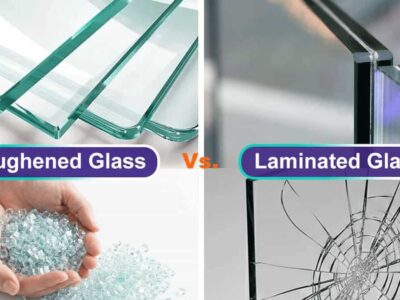
- Toughened (Tempered): Heat-treated safety glass that crumbles into harmless granules rather than sharp shards upon impact.
- Laminated Glass: A ‘sandwich’ of glass sheets with a polymer interlayer. Unmatched for security, acoustic isolation, and 99% UV blockage.
- Insulated Glass Units (IGUs): Multi-pane double/triple glazing with an argon gas fill that forms a dense thermal barrier.
- Low-E Glass: Microscopic metallic coatings that reflect radiant infrared heat waves while keeping daylight pristine.
- Tinted Glass: Through-colored solar management glass designed specifically to diminish blinding afternoon glares.
Deep Dive: The 6 Core Glass Engineering Types
1. Float Glass (Annealed) – The Basic Baseline

Standard single-pane float glass is weak, shatters into dangerous, jagged shards, and provides zero insulation against weather extremes or outdoor noise. It should never be used in modern residential doors or living spaces.
2. Toughened Glass (Tempered) – The Structural Safety Standard
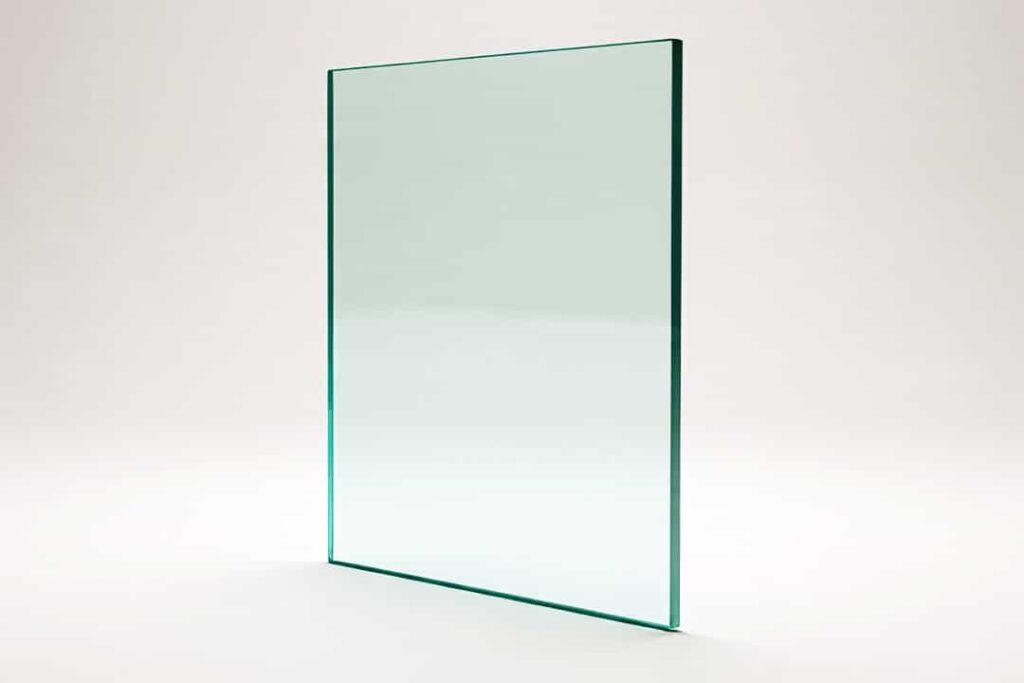
Tempered glass is a mandatory requirement by building codes for high-risk zones. Upon heavy impact, it crumbles into dull, safe granular fragments instead of razor-sharp sheets, eliminating severe cutting risks.
Mandatory Placement Zones
- ✓ All sliding patio doors, French doors, and multi-panel bifold systems.
- ✓ Large floor-to-ceiling panoramic or architectural picture windows.
- ✓ Any structural window pane located within 24 inches of a door opening.
3. Laminated Glass – Built for Intruders and Traffic Noise
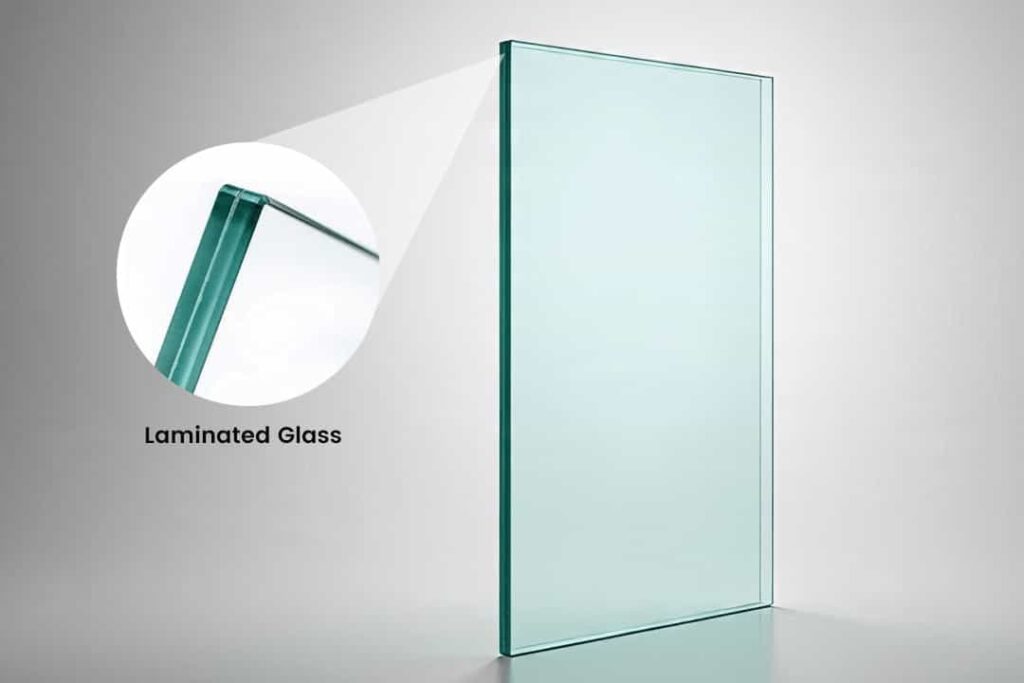
Laminated profiles feature an internal polyvinyl butyral (PVB) interlayer. When broken, the shards adhere completely to the flexible plastic membrane rather than falling out, establishing a highly secure barrier against forced entry.
STRENGTHS
- ✓ Forced Entry Protection: Holds structural form even when shattered with heavy tools.
- ✓ Elite Soundproofing: Dampens acoustic vibrations from busy highways and aircraft noise.
- ✓ 99% UV Barrier: Prevents sun fading on premium hardwood flooring, carpets, and artwork.
LIMITATIONS
- ✕ Higher initial investment cost compared to single-ply tempered glass.
- ✕ Adds significant weight to the window pane, requiring robust hardware.
- ✕ Requires precision edge sealing to prevent moisture ingress into the interlayer over time.
4. Insulated Glass Units (IGUs) – The Energy Saver
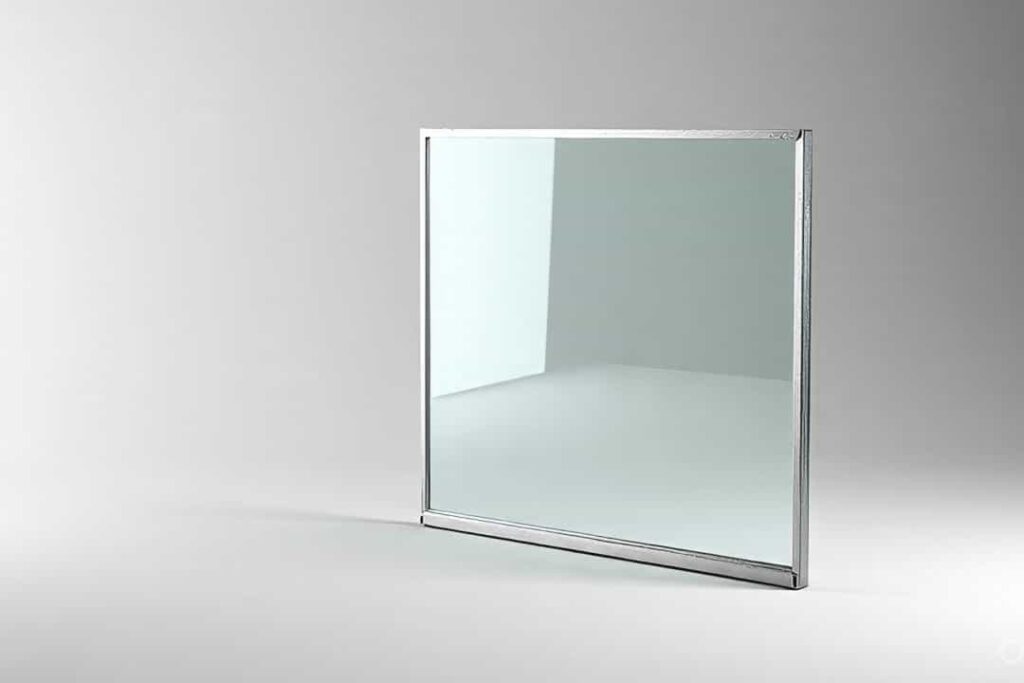
Popularly known as double or triple glazing, an IGU seals a dense insulating gas (like Argon) between multi-layered glass panes. This configuration isolates your interior living space from external ambient air temperatures, dropping heating and cooling demands.
5. Low-Emissivity (Low-E) Glass – Solar Heat Mirror
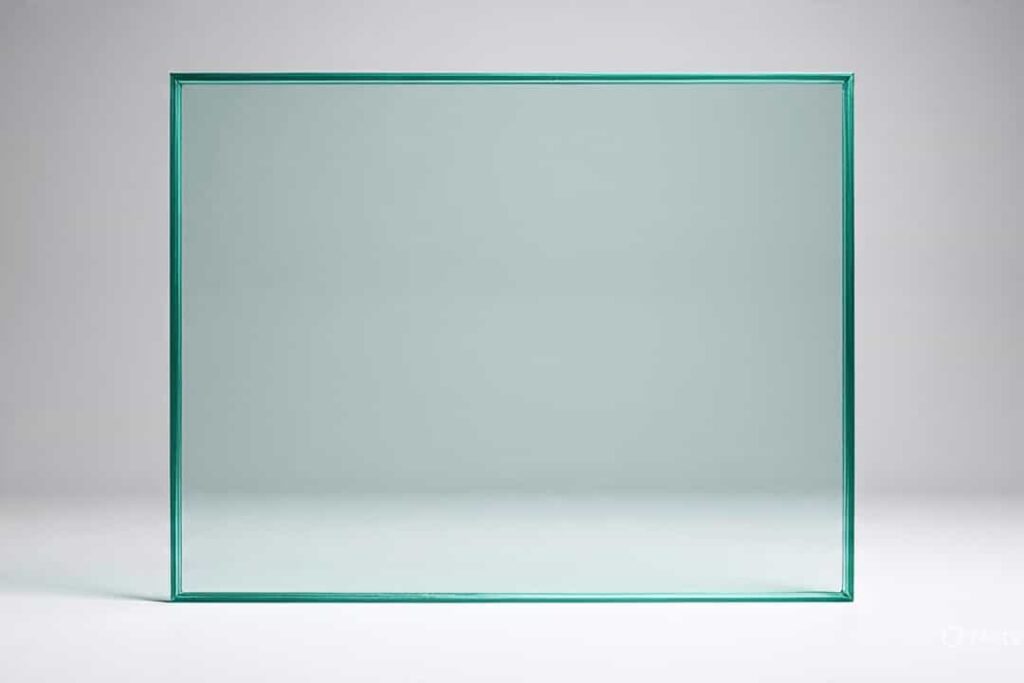
Low-E glass incorporates a transparent, microscopic metallic layer directly inside an IGU. In the summer, it reflects external solar infrared heat away from the building; during winter, it keeps indoor warmth radiating straight back into the room.
6. Tinted Glass – Anti-Glare Control
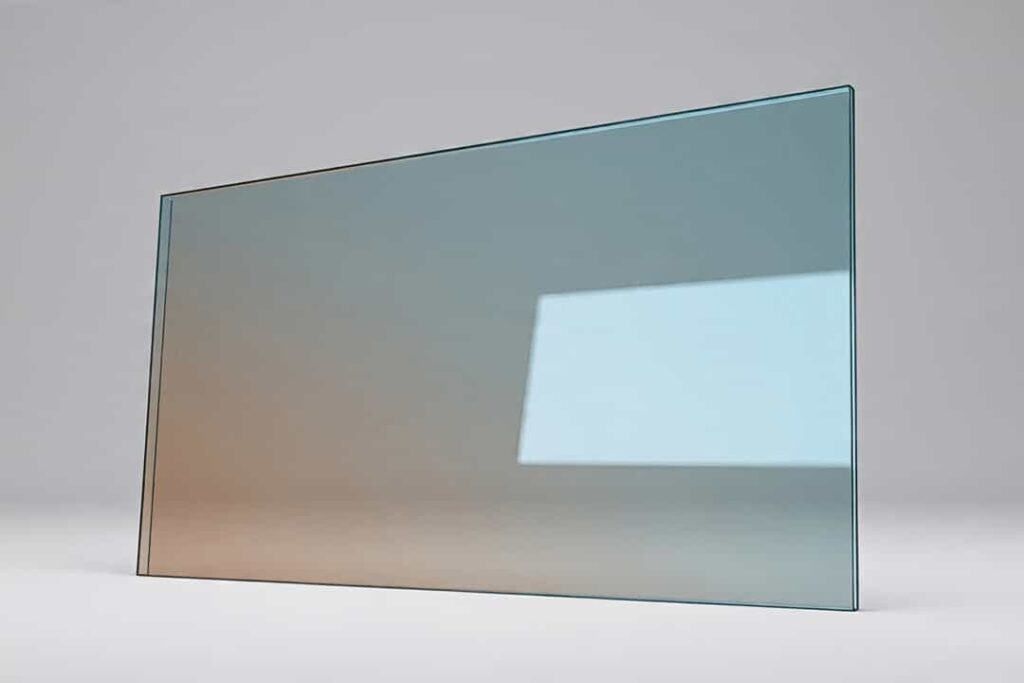
Tinted glass systems are formulated with colored pigments (bronze, grey, or blue) to reduce intense afternoon light levels. While effective at dampening blinding glare, they absorb heat and can darken interiors, meaning they should be deployed selectively on heavy-sun exposures.
Smart Combinations for Real-Life Scenarios
The ultimate performance is achieved when you combine these distinct layers inside a single multi-pane frame configuration. Here are three architectural combinations built for specific needs:
Architectural Configuration Combos
- Scenario 1: High-Traffic Rear Bifold Doors
The Mix: Toughened + Laminated + IGU + Low-E Coating
Why: Toughened glass satisfies safety parameters, the laminated core resists break-ins, and the Low-E insulated glass unit locks in energy efficiency. - Scenario 2: The High-Noise Home Office
The Mix: Laminated Panes paired inside an Argon IGU
Why: The heavy polymer-damped laminated sheet breaks up external high-frequency street noises, while the dual-pane gas envelope cancels low-frequency vehicle rumbles. - Scenario 3: Searing Western Picture Windows
The Mix: Toughened Dual-Pane IGU + Low-E Coating + Selective Tint
Why: Controls structural wind load demands, limits solar heat gain coefficients (SHGC), and limits eye straining glare during long summer afternoons.
Your Final Supplier Checklist
Before signing a manufacturing or installation invoice, cross-reference your order with these vital performance validation questions:
- “Are all safety zones fully specified with Toughened/Tempered glass profiles?”
- “What is the center-of-glass U-Factor on the IGU order?” (Look for sub-1.2 W/m²K ratings for strong performance).
- “On which glass surface is the invisible Low-E metal coating applied?” (Surface #2 is optimal for blocking incoming summer heat; Surface #3 works best for trapping winter warmth).
- “Are ground-level or street-facing windows specified with Laminated interlayers for security and sound isolation?”
- “Is the glass configuration matched to our exact geographic climate zone?”
- Regional Guides: Check out our USA Regional Window Match Guide and our detailed Hot Climate Window Specification Manual.