Living in a hot climate means constantly battling the sun. It’s a blessing for light, but a major challenge for keeping your home cool. Your window glass is truly your first line of defense, acting as a shield to keep intense heat out and your indoor spaces comfortable.
When you pair the right glass—the glazing—with strong, modern aluminum frames, you can significantly reduce heat gain and watch those brutal cooling bills finally drop.
We’ve broken down the best glass and window system options into three simple categories to help you choose what’s right for your home and your wallet.
Quick Overview:
- Premium Choice: Alu-Wood Hybrid Frames with High-Performance Double/Triple Low-E Glazing for ultimate comfort.
- Energy-Efficient Upgrade: Thermal Break Aluminum Systems for the best balance of cost and performance.
- Budget-Friendly: Standard Glazing, effective when paired with smart, external add-ons.
1. Premium Choice – Aluminium-Clad Wood (Alu-Wood) Systems
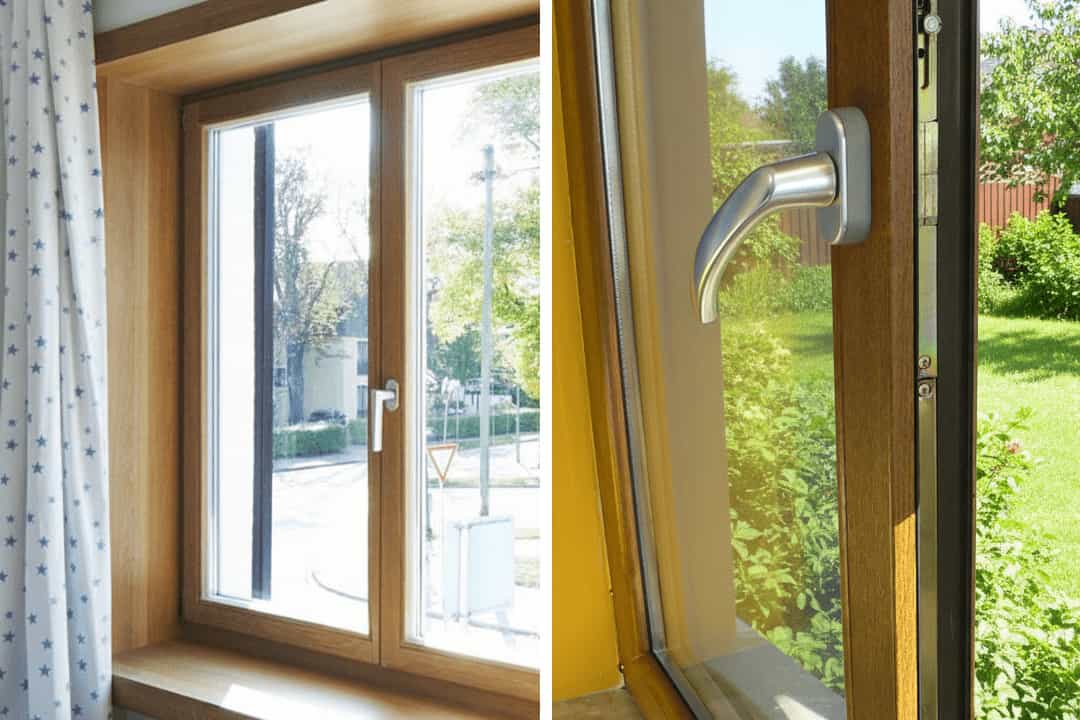
For those who refuse to compromise on comfort, style, or sustainability, aluminium-clad wood (alu-wood) hybrid windows are the ultimate choice. Think of them as the luxury SUV of the window world—maximum performance, maximum comfort.

Why Alu-Wood is Perfect for Hot Climates
This system truly combines the best of both worlds. The natural thermal insulation of wood on the inside keeps heat from entering, while the robust aluminum shell on the exterior stands up to harsh sun, rain, and humidity without rotting or warping.
They are the ideal match for luxury villas, high-end apartments, and eco-conscious homes, offering a warm, natural aesthetic inside with modern durability outside. Learn more about the benefits in our guide to Aluminium Clad Wood Windows.
Best Premium Glazing Options
- Double / Triple Glazing: These units create insulating pockets of air (or gas) that provide superior thermal resistance. The more layers, the better the barrier. For a detailed comparison, see Single vs Double Glazed Windows: Pros & Cons.
- Low-E Coated Glass: This is the magic ingredient. A microscopic, invisible coating blocks up to 70% of infrared heat rays from the sun while still allowing visible light to pass through, keeping your rooms bright without the oven-like heat. Understand its function with our article on What is Low-E Glass?.
- Laminated Glass: Two or more glass layers bonded with a plastic interlayer not only enhance security and soundproofing but also block over 99% of harmful UV rays, protecting your expensive furniture and interiors from fading. Discover if it’s right for you: What is Laminated Glass? Is it Soundproof?
How to Choose the Right Premium Glazing
When installing in a hot climate, pay close attention to the Solar Heat Gain Coefficient (SHGC). This number measures how much solar heat passes through the glass.
Pro Tip: In a cooling-dominated climate, aim for glass with a low SHGC, ideally 0.30 or less, for the best heat blockage.
- Match the glass type to your window’s orientation (e.g., maximum-performance Low-E for west-facing windows that get blasted by the afternoon sun).
- Ask if suppliers include argon gas filling as standard—it provides even better insulation.
- View the higher upfront cost as a long-term investment that pays back through dramatically lower energy bills and increased property value.
2. Energy-Efficient Upgrade – Thermal Break Aluminium Systems
If you want high performance and a sleek, modern look without the wood interior, thermal break aluminium systems are the smart, cutting-edge solution for hot climates.

What Are Thermal Break Windows?
Aluminium is naturally conductive, meaning it’s great at transferring heat. That’s a problem when you want to keep the outside heat outside.
Thermal break windows solve this by installing a barrier of low-conductivity material (usually polyamide) that separates the inner and outer aluminium frames. This “break” drastically reduces heat conduction, preventing outside heat from migrating into your home through the frame. Get a full explanation in our article: What are Thermal Break Aluminium Windows?
Recommended Glazing Types
- Argon-Filled Double Glazing: The argon gas between the panes provides better insulation than just air, working perfectly with the thermal break frame to achieve maximum energy efficiency.
- Solar Control Glass: These are specifically designed with coatings to reflect and absorb solar heat, directly lowering your air conditioning workload.
- Reflective / Tinted Glass: Excellent for reducing harsh glare and solar heat gain, making them popular choices in tropical and desert regions. Weigh the options with our guide to Reflective Glass Pros and Cons.
Remember: Just like the premium option, pair these systems with glass that has a low SHGC (Solar Heat Gain Coefficient) to maximize heat reflection.
Cost vs Performance Balance
- Thermal break windows typically cost a moderate amount more than standard aluminium systems (but less than Alu-Wood).
- This investment is quickly recouped through reduced electricity bills, making it an excellent cost-effective choice over time.
- It’s the perfect option for mid-range homes, offices, and any building where maximizing energy efficiency is a non-negotiable priority.
3. Budget-Friendly Option – Standard Single-Glazed Aluminium Windows
For immediate needs or tight budgets, standard aluminium windows are a viable starting point. While they aren’t as efficient on their own, their performance can be significantly boosted with a few smart, affordable strategies.

Common Budget Glass Choices
- Clear Float Glass: The most affordable option, but offers minimal insulation or heat protection.
- Tempered Glass: A safety and strength upgrade that provides increased durability without a major price jump. Learn why it’s a good idea: Tempered Glass for Windows.
- Tinted Glass: A simple solution that helps slightly with glare and UV protection. Explore the possibilities with Coloured Aluminium Windows.
Practical Heat-Reduction Hacks
Since the glass is your weakness here, the goal is to stop the sun before it ever touches the glass.
- Use thick, light-colored curtains or external roller blinds to block direct sunlight during the hottest part of the day.
- Install external shades or awnings. These are incredibly effective, as they prevent the sun’s energy from heating the glass in the first place. For ideas, check out Retractable Awnings for House, Deck & Patio.
- Apply a reflective window film. This is a low-cost, high-impact intervention that can reject a significant portion of solar heat without requiring a full window replacement.
Maintenance Tips for Hot Zones
- Clean your windows regularly. A layer of dust on the glass can trap and even amplify heat.
- Re-seal any gaps around the window frame to prevent hot air from leaking in—even small cracks waste huge amounts of cool air.
- Pair these windows with ceiling fans to improve air circulation, making the room feel cooler and easing the load on your AC unit.
Making the Right Call for Your Climate
Choosing the right glass for your aluminium windows in a hot climate is a critical decision that affects your long-term comfort and your monthly budget.
- Premium (Alu-Wood) offers the best in comfort, luxury, and long-term value, boasting the highest insulation.
- Thermal Break systems provide a smart middle ground, delivering excellent energy savings for a moderate investment.
- Budget Single-Glazed windows can work effectively, but only when you augment them with strategic external shading and reflective films.
Final Tip: Always match your glass choice to your local climate and the specific orientation of your building. A north-facing window has entirely different needs than a west-facing one that gets constantly blasted by the afternoon sun. For more guidance, our comprehensive Window Buying Guide can help you dial in the perfect choice for your home.