1. Market Snapshot: India’s Rising Demand Under Macro Pressures
India’s economic and demographic shifts are driving a significant transformation in the domestic aluminium ladder industry. Rapid urbanisation, structural infrastructure spend, and a growing domestic home-improvement sector continue to position lightweight, rust-proof aluminium as the definitive material of choice over heavy steel or traditional wood. However, as the market looks toward 2027, manufacturers are navigating a complex new economic landscape shaped by escalating global trade tensions, raw material supply crunches, and shifting domestic consumer wallet shares.
2027 Macroeconomic Market Signals
- Global Price Reset: Following significant supply deficits and energy spikes, primary aluminium prices have undergone a multi-year reset, holding firmly above $3,000 per tonne heading into 2027.
- Trade War Deflections: Sweeping international tariffs—headlined by rigid 50% US Section 232 duties on foreign aluminium and derivatives—have disrupted traditional supply chains, forcing global producers to redirect excess capacity and look closely at protective domestic markets like India.
- Spending Power Realities: Elevated retail prices, driven by high manufacturing input costs, have created a split in consumer spending. While commercial and industrial demand remains resilient, retail household buyers are showing increased price sensitivity, prioritizing value-driven or highly modular designs.
2. Production & Manufacturing Hubs in India
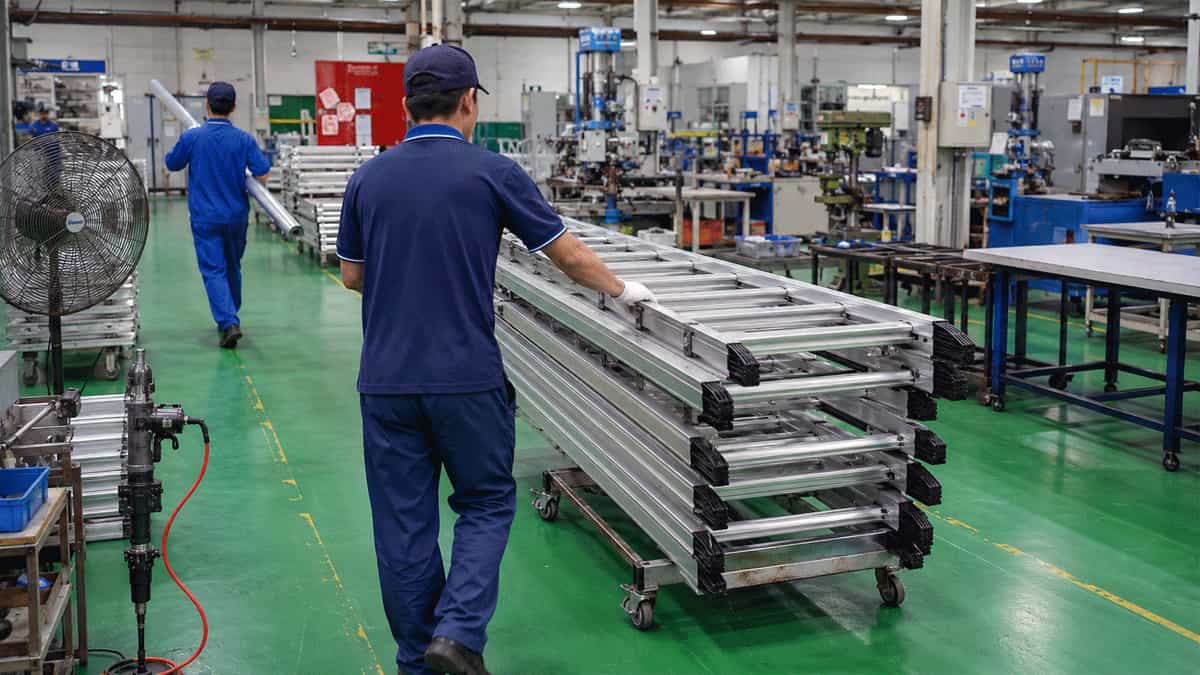
The Indian aluminium ladder manufacturing landscape remains a highly competitive mix of large organized brands and a vast, decentralized network of Small and Medium Enterprises (SMEs). This operational ecosystem is heavily concentrated around major industrial corridors and primary aluminium extrusion facilities.
Key Manufacturing Corridors
- ✓ North India: Major production clusters in Delhi-NCR, Ghaziabad, and Ludhiana leverage deep industrial supply chains and robust logistics infrastructure to serve the massive northern retail market.
- ✓ West & South India: Heavy industrial centers in Pune, Mumbai, Hyderabad, and Chennai cater to dominant regional commercial, warehousing, and real estate markets.
- ✓ Coimbatore Hub: Emerging as a specialized destination in Tamil Nadu for high-precision, premium-grade extruded aluminium engineering and consumer products.
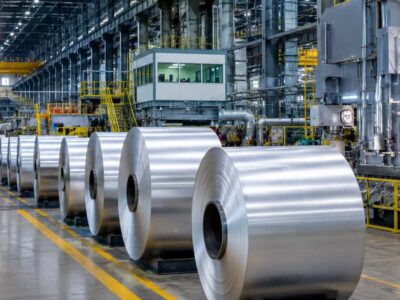
Supply Chain Integration: Domestic manufacturers rely heavily on strategic alignment with major Indian upstream giants like Hindalco, National Aluminium Company (NALCO), and Jindal Aluminium. These core suppliers furnish the necessary structural profiles—principally high-tensile 6000-series alloys like Aluminium 6063. Amid global trade fragmentation, establishing stable, long-term local contracts with these primary extruders has become essential for survival, helping local fabricators hedge against sudden global import price spikes.
3. Raw Materials & Sourcing Dynamics under Tariff Strain
The pricing and sourcing of raw materials have completely decoupled from historical baselines due to geopolitical tensions. Sourcing managers are operating under a strict cost-containment mandate to preserve thin margins.
UPSIDES
- ✓ Abundant local upstream smelting capacity via domestic leaders like Hindalco and NALCO
- ✓ Rapidly expanding secondary (recycled) aluminium infrastructure reduces dependency on costly primary ingots
- ✓ High inherent scrap and circular value aligns perfectly with corporate environmental and ESG goals
DOWNSIDES
- ✕ Elevated global base metal costs driven by geopolitical disruptions and international trade tariffs
- ✕ Increased pricing on necessary ancillary components like imported heavy-duty fasteners and non-skid rubber feet
To battle these margin pressures, forward-thinking manufacturers are aggressively expanding their usage of secondary aluminium. Utilizing recycled alloys requires nearly 95% less energy than primary smelting, offering a critical buffer against fluctuating electricity tariffs and volatile international market indexes.
4. Shifting Domestic Demand Drivers
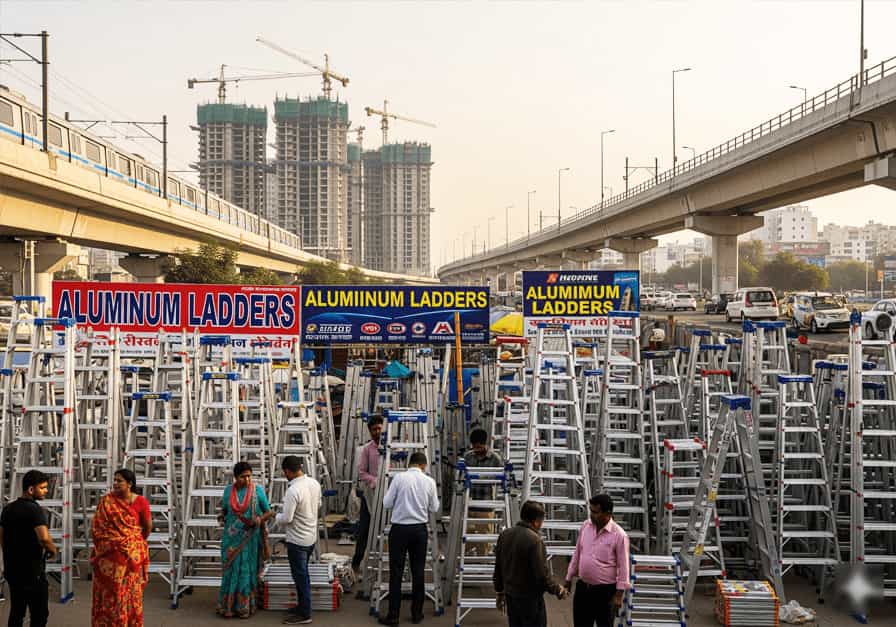
The consumption landscape for access equipment is splitting into two distinct paths heading into 2027:
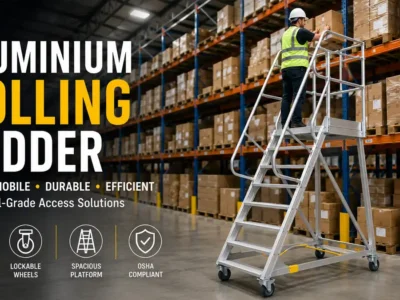
- Commercial, Logistics & Infra (High-Growth): India’s massive capital expenditure on metro rail networks, modern airport expansions, smart city initiatives, and multi-acre logistics warehouses remains a powerful structural driver. To comply with modern workplace safety regulations, industrial operators are heavily mandating safety-certified, heavy-duty access ladders.
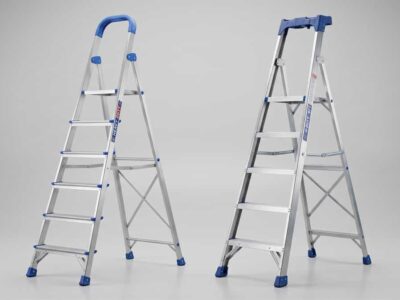
- Residential & DIY (Value-Driven): While the post-pandemic home-improvement trend and e-commerce penetration via Amazon and Flipkart remain stable, inflationary pressures on households mean consumer spending power is constrained. Retail buyers are cross-shopping heavily, demanding multi-functional, highly space-efficient gear to justify their spending.
5. Export Realities and the Fight for Global Market Share
The global trade war has opened up unique, strategic windows for Indian ladder exporters, provided they can clear high international regulatory hurdles.
BENEFITS
- ✓ Strict global tariffs on Chinese metal derivatives make Indian products highly attractive in Western supply lines
- ✓ Proximity to booming construction and real estate projects across the Middle East, North Africa, and Southeast Asia
DRAWBACKS
- ✕ Stiff pricing competition from low-cost regional alternative fabricators
- ✕ High testing and financial barriers for smaller Indian firms seeking strict Western safety stamps
To win on the international stage, conforming to strict quality and testing protocols is mandatory. Meeting international benchmarks like the European Standard EN 131 alongside domestic Bureau of Indian Standards (BIS) criteria is no longer an optional upgrade—it is a baseline requirement to build cross-border trust and access high-margin export accounts.
6. Industry Forecast and Opportunities Looking to 2027
Despite volatile cost barriers, the macro outlook for the Indian market remains strong, with key pockets of opportunity emerging for agile manufacturers:
Strategic Focus Segments for 2027
- ✓ Telescopic & Modular Engineering: Given consumer spending constraints and compact urban apartments, compact space-saving ladders that easily extend will dominate retail sales charts.
- ✓ Certified Industrial Lineups: Factories, large distribution centers, and aviation fields will drive sustained demand for heavy-duty, rated platform platforms.
- ✓ Recycled Low-Carbon Frameworks: Marketing products explicitly built using verified, eco-friendly low-carbon secondary aluminium helps brands win corporate contracts and command pricing power.
2027 Aluminium Ladder Market FAQs
How are global tariff wars affecting the retail price of aluminium ladders in India?
Aggressive international trade barriers, such as the US Section 232 tariffs, have forced a structural reorganization of global base metals, pushing the trading floor of primary aluminium above $3,000/t. Because raw metal profile sourcing makes up the majority of direct manufacturing expenses, these global shifts directly translate into higher retail costs for consumers at home.
How can Indian manufacturers counter localized drops in consumer spending power?
To offset consumer price sensitivity, brands are pivoting toward multi-purpose and modular designs (like straight-cum-step combinations). By offering a single item that performs the duties of multiple specialized units, manufacturers give value-conscious residential consumers a much clearer incentive to spend.
Why are industrial buyers shifting rapidly toward platform ladders?
Modern corporate occupational safety policies strictly discourage operators from holding objects while climbing. Platform ladders feature large, solid standing trays and integrated structural hand rails, allowing technicians to work with both hands free. This significantly reduces on-site workplace liability and falls.
Read More: Explore our detailed reports on Top Aluminium Ladder Exporters from India and Safety Standards for Aluminium Ladders – EN131 & BIS Explained.
Connect: Explore our updated Supplier Directory for a list of verified and compliant aluminium ladder manufacturers in India.