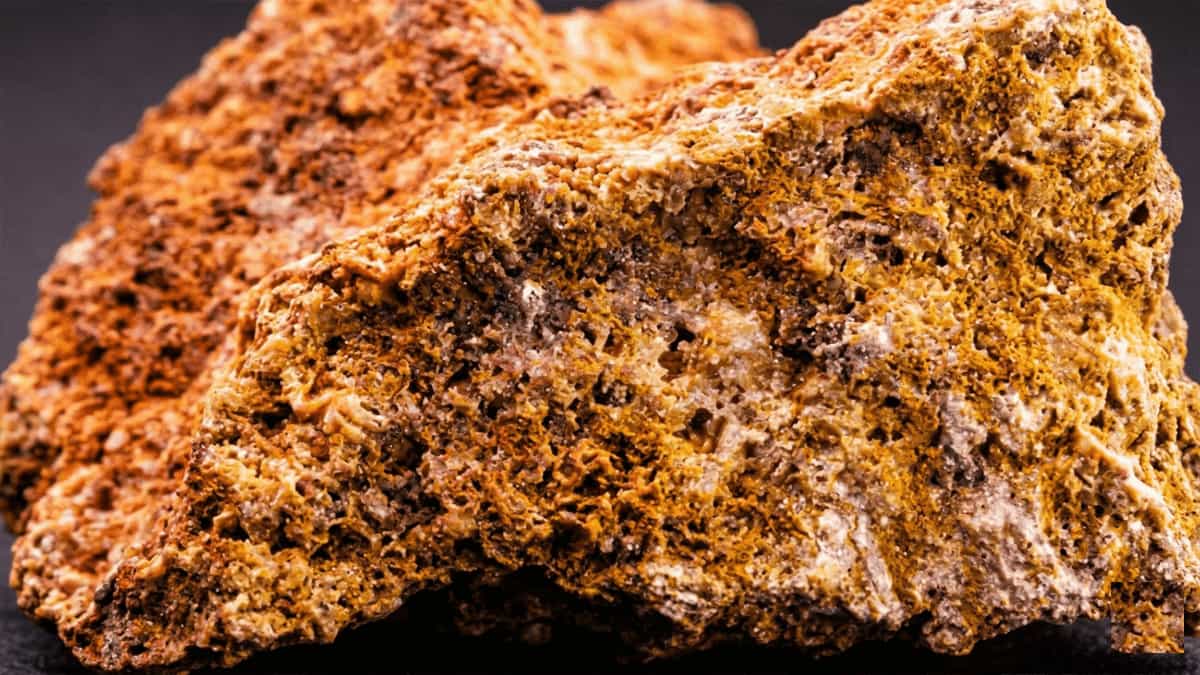
Raw aluminum, also referred to as primary aluminum, is a raw form of the metal that has been refined but not yet shaped into specific products. When it comes to not alloyed aluminium, the material is composed of nearly pure aluminium with minimal impurities. This type of aluminium is typically produced in ingot form and is a vital input for numerous industries.
Key Features:
Purity: Not alloyed aluminum is often over 99% pure, making it ideal for applications requiring high conductivity, corrosion resistance, and lightweight properties.
Versatility: Aluminum ingots can be further processed into sheets, plates, wires, or extrusions, enabling a wide range of industrial uses.
Ease of Recycling: Aluminum is highly recyclable, which reduces environmental impact and supports sustainable manufacturing practices.
Usage:
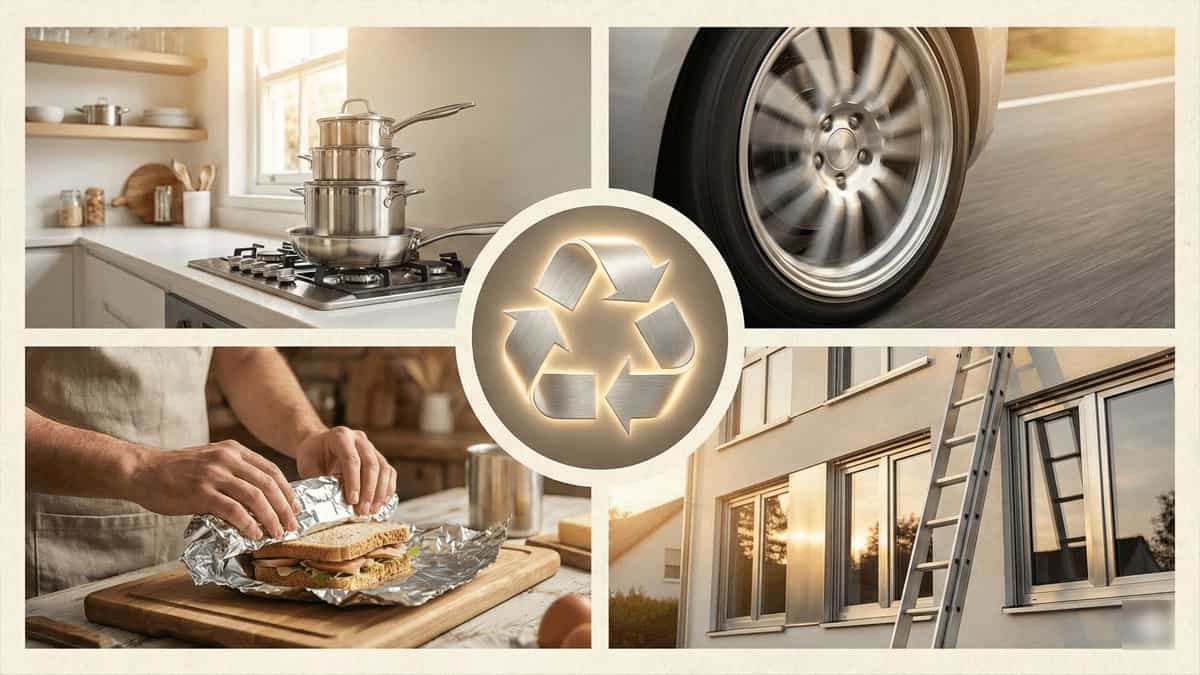
Transportation: Used in the automotive and aerospace industries for manufacturing lightweight components.
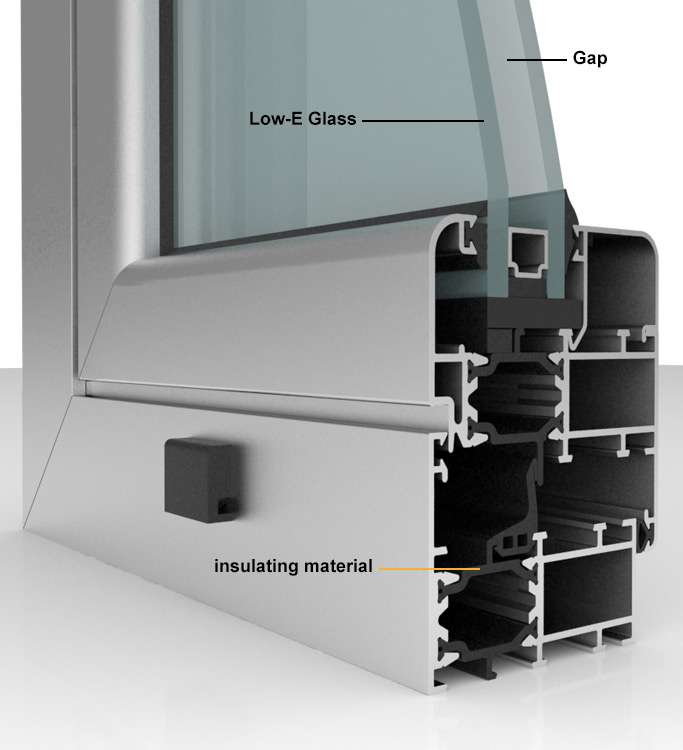
Construction: Utilized in structural materials like window frames, roofing, and facades.
Electrical: Due to its excellent conductivity, it is employed in electrical wiring and transmission lines.
Packaging: Serves as a base material for creating aluminum foil and beverage cans.
Advantages of Not Alloyed Aluminium:
High malleability for shaping and forming.
Excellent corrosion resistance for outdoor applications.
Non-toxic and safe for food-related uses.
Market Insights:
The demand for raw, not-alloyed aluminium remains strong due to its essential role in numerous sectors. Producers often rely on the London Metal Exchange (LME) for pricing benchmarks. Emerging markets and advancements in recycling technology further drive the global market.
By focusing on non-alloyed aluminium ingots, industries can ensure optimal material quality while contributing to sustainability goals.
Related Articles

Featured


You May Also Like

What Are Storm Doors? Types, Benefits & Common Uses
Your Home, Your Tech, Your Car… All Powered by One Metal

Best Storm Doors for Mobile Homes: Sizes, Weights, and Easy …

Why Aluminum is Classified as a Nonrenewable Resource
What is Aluminium Business Insurance? Benefits & Importa…