When it comes to upgrading your vehicle, few modifications offer the same blend of style, performance, and efficiency as aluminum wheels. Whether you’re a performance enthusiast, an off-road adventurer, or simply looking to enhance your daily driver, understanding the world of alloy wheels is essential. In this comprehensive guide, we’ll explore everything from raw uncoated wheels to custom finishes, helping you make an informed decision for your next upgrade.
What Are Raw Aluminum Wheels?
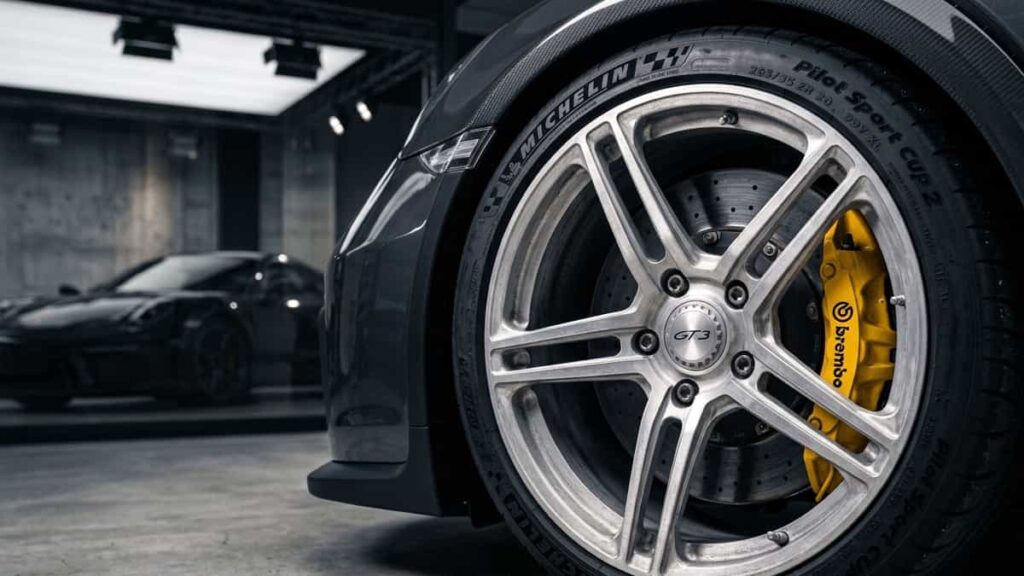
Raw aluminum wheels are wheels manufactured from untreated, uncoated aluminum alloy. Unlike painted, powder-coated, or polished alternatives, raw aluminum wheels retain their natural, unfinished appearance—a characteristic that has made them increasingly popular in the automotive community.
Key Features of Raw Aluminum Wheels:
- Material Composition: Made primarily from aluminum alloy, which offers an exceptional strength-to-weight ratio.
- Finish: Left in their natural state without additional coatings or treatments.
- Aesthetic Appeal: Their industrial, minimalist look can complement everything from classic restorations to modern custom builds.
Why Choose Aluminum Wheels?
1. Lightweight Performance
Aluminum is significantly lighter than steel, delivering measurable improvements in:
FEATURES
- ✓ Fuel Efficiency: Less rotational mass means your engine works less to accelerate.
- ✓ Handling: Reduced unsprung weight improves suspension response and cornering grip.
- ✓ Acceleration: Lighter car wheels allow for quicker off-the-line performance.
2. Superior Heat Dissipation
Aluminum’s thermal conductivity makes it ideal for high-performance applications. Effective heat dispersion prevents brake fade during aggressive driving, extending both pad and rotor life.
3. Design Versatility
The making wheels process allows for complex designs that would be impossible with traditional steel manufacturing. From intricate spoke patterns to deep-dish profiles, aluminum enables unparalleled creative freedom.
Raw vs. Powder Coated Wheels: Making the Right Choice
One of the most significant decisions you’ll face is whether to keep your wheels raw or apply a protective finish. Here’s how raw and powder coated wheels stack up against each other at a glance:
BENEFITS
- ✓ Natural, industrial sheen aesthetic
- ✓ Lower initial upfront investment cost
- ✓ Unlimited custom finish options later down the line
DRAWBACKS
- ✕ Prone to oxidation if untreated
- ✕ Requires continuous intensive regular polishing
- ✕ More susceptible to scratching and pitting
The Customization Advantage
Raw aluminum wheels offer a blank canvas for car enthusiasts. You can:
- Polish to a mirror shine
- Apply custom paint or powder coating
- Create two-tone designs
- Anodize for colored protection
The Manufacturing Process: How Aluminum Wheels Are Made
Understanding the making wheels process helps you appreciate the engineering behind your car rims:
1. Casting
Molten aluminum is poured into molds. This method is cost-effective and suitable for most aftermarket applications.
2. Forging
Aluminum billets are heated and pressed into shape under extreme pressure. The result is a denser molecular structure, increased structural strength, and lower net weights compared to traditional cast alternatives.
3. Flow Forming
A hybrid process that combines casting and forging benefits, offering excellent strength-to-weight ratios at a moderate price point.
Common Applications of Raw Aluminum Wheels
Enthusiasts choose raw profiles for distinct applications across multiple environments:
- Performance Cars: The lightweight nature and heat dissipation properties make these wheels ideal for track days.
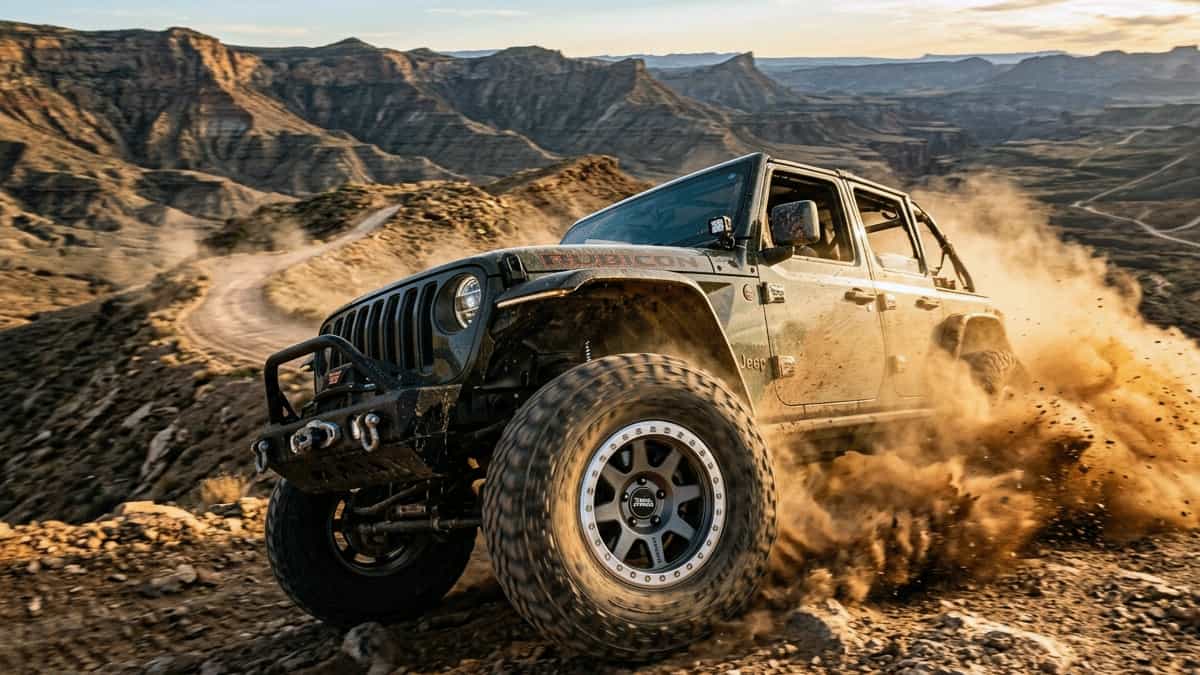
- Off-Road Vehicles: Raw aluminum provides the perfect balance of strength and reduced weight critical for challenging terrain.
- Custom Builds: From rat rods to show cars, builders favor raw finishes for unique design potential.
Maintenance Tips for Aluminum Wheels
For Raw Aluminum Wheels:
- Regular Cleaning: Use pH-balanced wheel cleaner to remove brake dust and road grime.
- Apply Protective Coating: Consider a clear sealant designed specifically for raw aluminum.
- Polishing Routine: Use aluminum polish every 3-6 months to maintain luster.
- Address Oxidation Early: At the first sign of dulling, use a metal polish with corrosion inhibitors.
For All Alloy Wheels:
- Avoid aggressive chemicals that can damage the surface.
- Use soft-bristled brushes to prevent scratching.
- Apply wheel wax after cleaning for added protection.
Choosing the Right Wheels for Your Vehicle
When selecting new car wheels, consider:
- Vehicle Type: Performance cars benefit from lightweight forged options, while SUVs may prioritize durability.
- Driving Conditions: Raw aluminum may be suitable for show cars, but daily drivers benefit from protective coatings.
- Budget: Factor in initial cost plus long-term maintenance requirements.
- Aesthetic Goals: Determine whether you want the raw industrial look or a specific color finish.
The Future of Aluminum in Automotive Design
The automotive industry continues to embrace aluminum for more than just wheels. This versatile metal is completely reshaping structural properties and structural platforms across global manufacturing.
Are Raw Aluminum Wheels Right for You?
Raw aluminum wheels offer a unique combination of lightweight performance, excellent heat dissipation, and aesthetic versatility. While they require more maintenance than coated alternatives, their customization potential makes them a favorite among automotive enthusiasts.
For those seeking low-maintenance durability, powder coated wheels or painted alloy wheels may be the better choice. Ultimately, your decision should balance performance needs, maintenance willingness, and design preferences.
FAQs
Are aluminum wheels better than steel?
Yes, for most applications. Aluminum offers significant weight savings, better heat dissipation, and superior design options, though steel wheels are generally more durable for extreme off-road use.
Can raw aluminum wheels be painted?
Absolutely. Raw aluminum provides an excellent base for custom paint or powder coating applications.
How long do aluminum wheels last?
With proper maintenance, high-quality aluminum wheels can last the lifetime of the vehicle.
Are raw aluminum wheels safe?
Yes. When properly manufactured and maintained, raw aluminum wheels meet all safety standards for passenger vehicles.
Related Articles
Featured


You May Also Like

Best Window Glass options for hot Climates

Awning Windows Design Ideas

Wood Without the Worries: How Aluminium is Changing Design F…

Aluminium vs Stainless Steel Pressure Cookers – Which One’s …

Aluminium Arched Windows: Pros & Cons of Aluminum Frames