Aluminum extrusion is one of those fascinating processes that turns a simple metal rod into window frames, car parts, LED housings, and even rocket components 🚀. But how does it work? What happens behind those factory doors?
In this beginner-friendly guide, we’ll break it down step by step — no jargon, no engineering degree needed. If you’re a student, a DIYer, or someone starting in the aluminum industry, this article is for you.
🔧 What Is Aluminum Extrusion?
At its core, aluminum extrusion is a manufacturing method where aluminum alloy is heated and pushed (or “extruded”) through a shaped opening called a die. The result? A long piece of aluminum in the shape of that die — like Play-Doh squeezed through a mold.
It’s how those neat rectangular, T-shaped, or L-shaped aluminum frames are made — with perfect precision and strength.
⚙️ Step-by-Step: How Aluminum Extrusion Works
Let’s go through the process in simple language:
1. Billet Preparation
A billet is a solid log of aluminum alloy (usually 6061 or 6063). It’s cut to size and heated to around 400–500°C — soft enough to shape, but not fully molten.
2. Die Preheating
The die (a metal mold) is also heated so it doesn’t crack from thermal shock. A hot die = smoother flow.
3. Extrusion Begins
The soft billet is pushed into the extrusion press by a hydraulic ram. It passes through the die under extreme pressure (up to 15,000 PSI) — and comes out the other side shaped exactly like the die.
4. Cooling the Profile
The long extruded aluminum piece is cooled quickly using fans or water. Quick cooling helps it retain strength and shape.
5. Stretching & Straightening
Next, the aluminum profile is pulled or stretched slightly to fix any bends and remove internal stress.
6. Cutting to Size
Once straight and cool, it’s cut into usable lengths — usually between 3 to 6 meters, depending on the product.
🎥 Want to see it in action? Watch this short video that shows the entire aluminum extrusion process in a real factory:
🧪 Popular Aluminum Alloys for Extrusion
Not all aluminum is the same. These are the most commonly used alloys in extrusion:
| Alloy | Why It’s Used | Best For |
|---|---|---|
| 6063 | Smooth finish, easy to anodize | Windows, doors, curtain walls |
| 6061 | Stronger, weldable, durable | Structural frames, automotive parts |
| 6082 | High strength + corrosion resistance | Marine use, cranes, bridges |
| 1100 | Pure aluminum, highly corrosion-resistant | Food-grade products, decorative trims |
👉 Want to learn more about alloys? Check 6061 vs 6063 explained here
🎨 Surface Finishes: Not Just About Looks
Once extruded, aluminum can get several treatments to improve how it looks — and how long it lasts:
1. Anodizing
- Creates a hard oxide layer
- Improves corrosion resistance
- Can be colored (silver, bronze, black etc.)
- Looks: Sleek, matte, metallic
2. Powder Coating
- Dry powder is electrostatically sprayed, then baked
- Tough and colorful finish
- Great for outdoor use and heavy-duty stuff
3. Painting
- Regular wet painting (like on cars)
- Offers high customization
- Not as tough as powder, but more flexible in design
🏗️ Where Are Extruded Aluminum Profiles Used?
You’ll find extruded aluminum almost everywhere around you:
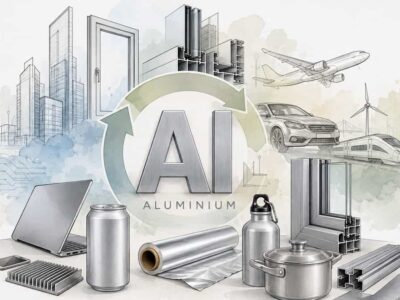
- Windows & Doors – Frames, channels, sliders
- Automotive – Chassis parts, EV battery trays, panels
- Construction – Curtain walls, façade systems
- Electronics – Heat sinks, device enclosures
- Furniture & Interiors – Cabinet frames, modular shelving
Why aluminum? Because it’s lightweight, strong, corrosion-resistant, recyclable, and easy to work with.
🚀 Why Students & Beginners Should Care
If you’re a mechanical or civil engineering student, or even a product design beginner — understanding aluminum extrusion is a smart move. It’s widely used, energy-efficient, and in high demand across architecture, transport, aerospace, and green energy sectors.
✍️ Final Thoughts
Aluminum extrusion might sound technical, but it’s honestly just smart shaping using heat and pressure. The beauty lies in its simplicity and power — turning one metal log into limitless shapes with real-world uses.
Next time you look at a window frame or laptop body — remember: it’s more than just metal. It’s extrusion at work. 💪
Want more guides like this? Keep exploring AluminiumMagazine.com – from alloy selection to surface finishes, we break it all down for you.