Walk into any glass-walled skyscraper on a hot summer day. If the building is well designed, you will feel comfortable — not sweaty, not freezing. If it is poorly designed, you will feel a distinct chill or heat radiating from the glass. The difference often comes down to one critical feature: the thermal break.
But do curtain walls actually save energy? The short answer is yes — but only if they are properly designed with thermal breaks and insulated glazing. A non-thermal curtain wall can actually increase energy costs.
This article explains the science of thermal breaks, how they transform aluminium curtain walls from energy liabilities into high-performance building envelopes, and what you need to know to specify or evaluate them.
The Problem: Aluminium is a Thermal Conductor
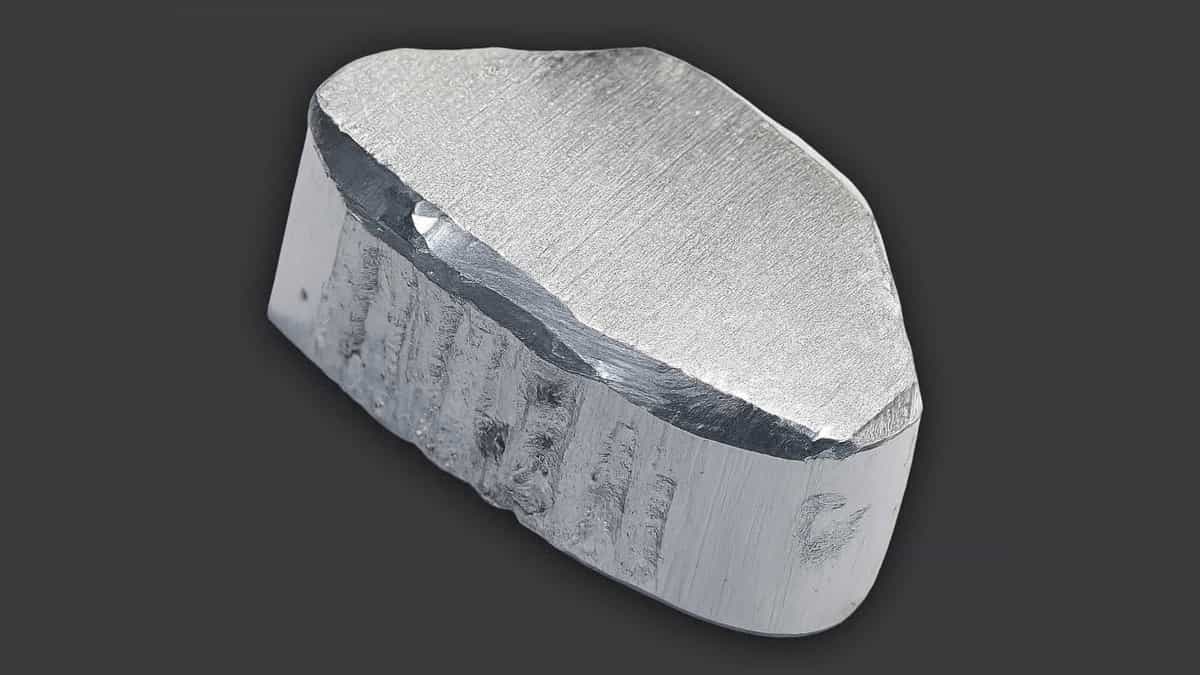
Aluminium is an excellent conductor of heat — about 205 W/m·K. That is roughly 1,000 times more conductive than wood or uPVC.
The Impact of Unprotected Aluminium Frames
- In winter: Indoor heat travels through the aluminium frame and escapes to the cold outside. The window becomes a “thermal bridge.”
- In summer: Outdoor heat travels through the frame and enters the conditioned space, forcing air conditioners to work harder.
- Result: Condensation forms on cold frames, energy bills rise, and occupant comfort suffers.
Without intervention, an aluminium curtain wall has a U-value (thermal transmittance) of approximately 5.7 W/m²·K — which is worse than a single-pane glass window.
U-value explained: Lower is better. A U-value of 1.0 W/m²·K means 1 watt of heat passes through each square meter of the assembly per degree Kelvin of temperature difference.
The Solution: The Thermal Break
A thermal break is a low-conductivity material inserted between the interior and exterior aluminium sections of a curtain wall frame. It physically separates the two aluminium halves, creating a barrier that heat cannot easily cross.
How It Works
Exterior side (cold)  →  [Aluminium]  →  [Thermal Break]  →  [Aluminium]  →  Interior side (warm)
Heat flow:            ← blocked ←                           ← blocked ←
The thermal break material is typically:
- Polyamide 6.6 (nylon) reinforced with 25% glass fibre — conductivity ≈ 0.3 W/m·K
- Polyurethane foam (poured and debridged) — conductivity ≈ 0.2–0.25 W/m·K
These materials conduct heat 600–1,000 times less than aluminium. When inserted correctly, they can reduce the frame’s overall U-value by 50–80%.
ADVANTAGES
- ✓ U-value (frame only): Reduced dramatically to ~1.4–2.2 W/m²·K.
- ✓ Condensation Resistance: Highly reliable; ensures interior frame surfaces stay warmer.
- ✓ Winter Performance: Low energy loss by locking internal heat inside.
- ✓ Summer Performance: Noticeably reduced heat gains through external surfaces.
LIMITATIONS
- ✕ U-value (frame only): Poor thermal threshold resting at ~5.7 W/m²·K.
- ✕ Condensation Resistance: Highly vulnerable as the cold interior frames cause sweat and moisture.
- ✕ Winter Performance: Continuous thermal bridge leaking heat to the cold exterior.
- ✕ Summer Performance: High thermal stress, rapidly conducting radiant summer heat indoors.
When combined with double or triple glazing (low-E coated, argon-filled), a thermally broken curtain wall can achieve whole-unit U-values as low as 0.8–1.2 W/m²·K — meeting or exceeding most building energy codes.
For a deeper understanding of thermal break terminology, read our article: thermal break energy-efficient terms explained.
Types of Thermal Break Systems
There are two main manufacturing methods for thermal break profiles used in curtain walls.
1. Crimped / Roll-Formed Thermal Break
- ✓ Process: Two separate aluminium extrusions (interior and exterior) are mechanically crimped onto a polyamide strip.
- ✓ Applications: Highly popular choice for windows, doors, and standard mid-rise curtain wall systems.
- ✓ Advantages: Solid structural strength with broad market availability.
- ✓ U-value range: 1.8–2.5 W/m²·K (frame only).
2. Pour-and-Debridge (Cast) Thermal Break
- ✓ Process: A single aluminium profile has a cavity that is filled with liquid polyurethane. After curing, a mechanical “debridging” cut separates the halves, leaving only polyurethane.
- ✓ Applications: Specifically applied in heavy-duty commercial curtain walls and pre-glazed unitized skyscraper configurations.
- ✓ Advantages: Distinctly high structural strength, support for deeper breaks (up to 50mm), and optimized performance.
- ✓ U-value range: 1.0–1.8 W/m²·K (frame only).
For more on the benefits of thermal breaks in windows, check out: energy-saving thermal break aluminium windows benefits.
Does a Thermal Break Curtain Wall Actually Save Energy?
Yes — and the savings are substantial. Let’s look at a real-world comparison.

Example: 20-Story Office Building (10,000 m² of curtain wall)
| Parameter | Non-Thermal | Thermal Break (1.4 W/m²·K) |
|---|---|---|
| Frame U-value | 5.7 | 1.4 |
| Whole-wall U-value (with double glazing) | ~3.0 | ~1.2 |
| Annual heating energy (cold climate) | 120 kWh/m² | 48 kWh/m² |
| Annual cooling energy (hot climate) | 85 kWh/m² | 34 kWh/m² |
| Total annual energy cost (mixed climate) | $180,000 | $72,000 |
Annual savings: ~$108,000. Payback period for the upgrade to thermal break: typically 2–4 years.
In many building codes (IECC, ASHRAE 90.1, Part L in the UK, NBC in India), thermal break curtain walls are no longer optional for commercial buildings over a certain size. They are mandatory.
Beyond the Frame: The Role of Glazing
A thermal break frame is only half the solution. The glass itself must also be energy-efficient. A thermally broken frame paired with single-pane glass still underperforms.
Crucial Glazing Features to Specify
- Double Glazing or Triple Glazing: Utilizes multiple panes to naturally trap air layers.
- Low-E Coating: Substantially minimizes harmful radiative indoor-to-outdoor heat transfer.
- Gas Fills (Argon/Krypton): Maximizes protection against convective heat loops between panes.
- Warm-Edge Spacers: Specialized boundaries that intercept local structural heat loss at the glass perimeter.
The combination of a thermal break frame + low-E double glazing reduces total curtain wall U-value to 1.0–1.4 W/m²·K — roughly 75% better than non-thermal single-glazed systems.
To understand the glass options available, read: types of glass for aluminium doors and windows.
Condensation Prevention: The Hidden Benefit
Energy savings get the headlines, but condensation control is equally important. When warm, humid indoor air contacts a cold surface, water condenses.
- Non-thermal aluminium frame in winter: Interior frame surface temperature may drop to 2–5°C when outside is -10°C. Condensation forms easily, potentially leading to mold, water damage, and stained sills.
- Thermal break frame: Interior surface stays closer to room temperature — typically 12–15°C under the same conditions — well above the dew point.
This is why architects in cold climates (Canada, Northern Europe, China, parts of the US) specify thermal breaks as standard.
For a practical discussion of condensation issues and fixes, see: aluminium window condensation on glass panes – fix guide.
Thermal Break vs. Double Glazing: Do You Need Both?
A common question: “If I have double glazing, do I still need a thermal break frame?”
Yes — absolutely. Here’s why:
| Scenario | Heat Loss Through Frame | Heat Loss Through Glass | Overall Performance |
|---|---|---|---|
| Non-thermal frame + double glazing | High (~5.7 W/m²·K) | Low (~1.1 W/m²·K) | Poor; frame dominates |
| Thermal break frame + single glazing | Low (~1.4 W/m²·K) | High (~5.7 W/m²·K) | Poor; glass dominates |
| Thermal break frame + double glazing | Low | Low | Excellent |
The weakest link determines overall performance. You need both.
Learn more about the relationship between thermal breaks and glazing: thermal break windows vs double glazing – which is more important for energy efficiency?.
How to Specify a Thermally Broken Curtain Wall
When writing specifications or evaluating bids, look for these key criteria:
| Criteria | Minimum Requirement | Target (High Performance) |
|---|---|---|
| Frame U-value (EN 12412 / ISO 10077-2) | ≤ 2.2 W/m²·K | ≤ 1.4 W/m²·K |
| Whole curtain wall U-value | ≤ 1.8 W/m²·K | ≤ 1.0 W/m²·K |
| Thermal break width | ≥ 24 mm | ≥ 34 mm |
| Glazing | Double, low-E, argon | Triple, low-E, krypton |
| Test standard | AAMA 1503 / NFRC 100 | Same + thermal cycling |
Also verify that the supplier provides thermal simulation reports (using THERM or similar software) for the specific profile, not just generic values.
Common Myths About Thermal Break Curtain Walls
Myth 1: “Thermal breaks make the frame weak.”
Fact: Modern polyamide and polyurethane thermal breaks have shear strengths of 60–100 N/mm². They are engineered to handle wind loads and building movement. Properly designed thermal break profiles are used in the tallest skyscrapers worldwide.
Myth 2: “Thermal breaks are only for cold climates.”
Fact: Thermal breaks reduce heat gain in summer just as effectively as heat loss in winter. They are valuable in hot climates (Middle East, India, Southeast Asia, Australia) to lower air conditioning loads.
Myth 3: “Cheaper non-thermal walls with better glass are fine.”
Fact: As shown in the table above, the frame is responsible for 30–50% of total heat transfer. Ignoring the frame leaves significant energy savings on the table.
Real-World Example: The Shard, London
The Shard (310 meters tall) uses a highly engineered unitized curtain wall with extruded polyamide thermal breaks and triple glazing. Despite being an all-glass tower in a temperate climate, its curtain wall achieves a whole-building energy performance that meets UK Part L regulations — thanks largely to thermal break technology.
Final Verdict: Do Curtain Walls Save Energy?
| Curtain Wall Type | Energy Efficient? | Condensation Resistant? | Cost Premium |
|---|---|---|---|
| Non-thermal, single glazed | ❌ No | ❌ No | Low |
| Non-thermal, double glazed | 🟡 Poor (frame dominates) | 🟡 Limited | Medium |
| Thermal break, double glazed | ✅ Yes (60–75% better) | ✅ Yes | Medium-High |
| Thermal break, triple glazed | ✅ Yes (up to 80% better) | ✅ Excellent | High |
The answer: A properly designed curtain wall with a thermal break frame + double or triple glazing absolutely saves energy — often 50–75% less heat loss/gain compared to non-thermal systems. The higher upfront cost is typically recovered within 2–5 years through lower energy bills, plus the added benefits of occupant comfort and condensation prevention.
For a general introduction to curtain wall systems, start here: curtain walls system and glass buildings.
Related Articles

Featured
You May Also Like
Aluminum Powder and Flakes

Aluminium Prices Brace for Impact: Global Economic Slowdown …
15 Best 6-Step Aluminium Ladders for Home Under ₹5,000

Why Modern Aluminium Hinged Doors Are Replacing Wood, Steel …
What Is Aluminium? 36 Types, Smelting Process & How Alum…