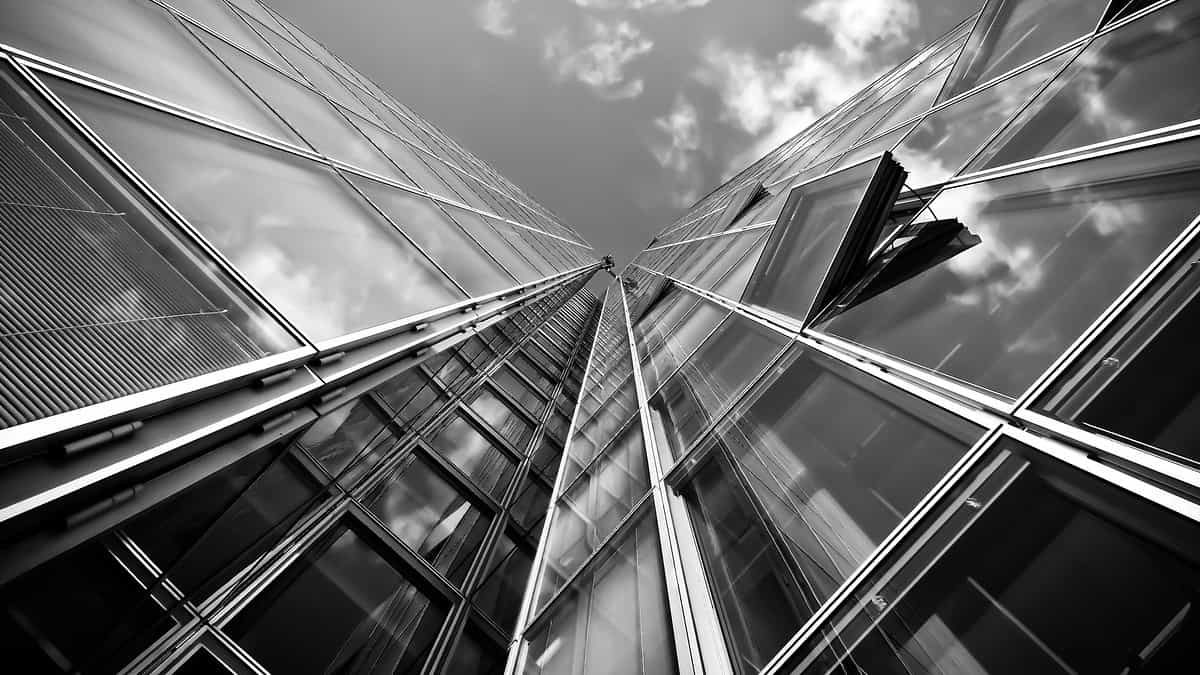
The global skyline is being redefined by shimmering, sleek, and intelligent building envelopes. At the heart of this architectural revolution lies the facade, structural glazing, and curtain wall industry.
This sector is a critical pillar of the aluminium and construction industries, transforming commercial real estate with systems that are as much about performance as they are about aesthetics. Driven by a global commercial real estate boom, urbanization, and a pressing need for energy-efficient buildings, this business segment offers one of the most profitable and future-proof opportunities for entrepreneurs and established firms alike. Unlike commoditized aluminium products, facade contracting integrates engineering, design, and project management, creating high-value solutions with significant barriers to entry and correspondingly high margins.
What Exactly Are Facades, Structural Glazing & Curtain Walls?
In simple terms, a building’s facade is its exterior skin or face. Structural Glazing and Curtain Walls are specific, advanced types of facades. A curtain wall is a non-structural outer wall, typically made of a lightweight aluminium frame infilled with glass, metal panels, or stone. It does not carry any floor or roof loads from the building.
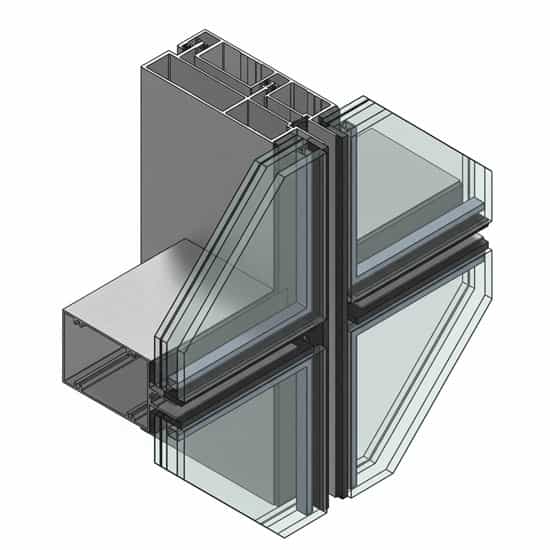
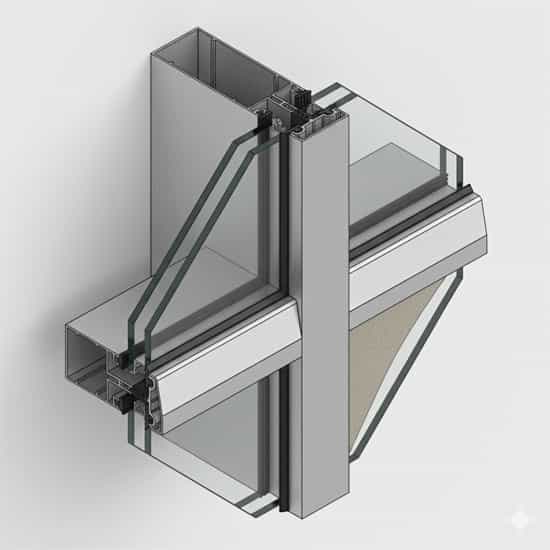
The industry operates on several key systems:
- Stick Glazing: The most common method, where aluminium mullions (vertical) and transoms (horizontal) are “stick-built” or assembled piece-by-piece on-site. It’s cost-effective for low-to-mid-rise buildings but has a longer on-site installation time.
- Unitized Glazing: The premium choice for high-rises. Pre-fabricated, fully glazed units are manufactured in a controlled factory environment and simply clipped onto the building structure on-site. This allows for faster installation, superior quality control, and better performance, but requires a higher initial investment in factory setup.
- Semi-Unitized: A hybrid system where part of the unit is pre-assembled, offering a balance between stick and unitized benefits.
- Spider Glazing: A visually stunning system that uses barely-visible steel “spider” fittings to hold large glass panels, creating a seamless, all-glass facade popular for luxury malls, airports, and corporate lobbies.
- ACP Facade (Aluminium Composite Panel): Involves cladding a building with ACP sheets fixed to an aluminium substructure. It’s highly versatile for colours and shapes, cost-effective, and widely used for retrofits and modern commercial structures.
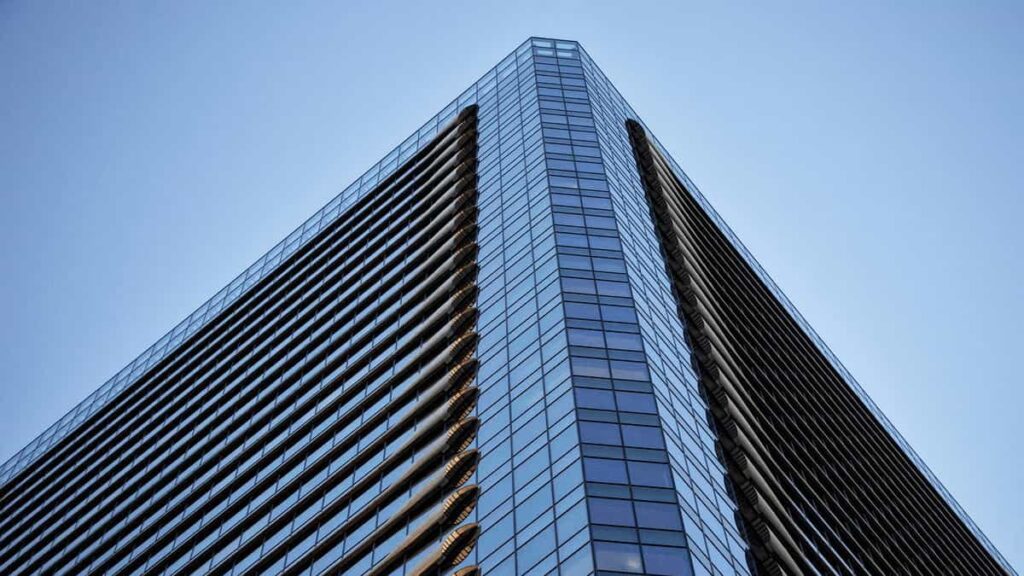
Real-world applications are everywhere: from the glass towers of London’s financial district and the opulent malls of Dubai to the expanding IT parks in Bangalore and Hyderabad.
Market Scope & Demand (Local + Global)
The demand is robust and geographically diverse, fueled by sustainability mandates and architectural ambition.
- India: The market is experiencing a compound annual growth rate (CAGR) of over 8%. Driven by smart city projects, metro rail expansions, and a surge in commercial and IT park construction in cities like Mumbai, Delhi-NCR, Bengaluru, and Hyderabad. The push for energy-efficient building envelopes is a key demand driver.
- Gulf (UAE, Saudi Arabia, Qatar): A global epicenter for ambitious architecture. Mega-projects like Saudi Arabia’s NEOM, Dubai’s Expo City legacy, and Qatar’s ongoing developments create insatiable demand for high-performance unitized and spider glazing systems capable of withstanding extreme desert heat.
- United Kingdom & European Union: Stringent energy regulations (like Part L in the UK) mandate high-performance facades. The market is driven by urban regeneration, commercial office fit-outs, and the retrofit of existing building stock with thermal break aluminium systems.
- United States & Canada: A mature market with strong demand for both new commercial construction and replacement facades. The focus is on hurricane-resistant systems in coastal areas, high thermal efficiency in northern climates, and blast-resistant glazing for government buildings.
- Australia: The commercial construction boom in Sydney and Melbourne, coupled with a focus on environmental design, fuels demand for sophisticated glazing systems suitable for its varied climate.
Packaging and project timelines for builders are critical; delays in the facade can hold up the entire project. This is why reliable glazing contractors secure repeat business. Furthermore, architects and facade consultants are key specifiers, making relationships with them crucial for lead generation.
Investment Required (Small → Medium → Large Setup)
The capital outlay varies significantly with the scale and system specialization.
- Small Setup (Stick Glazing & ACP Focus): Focused on low-rise buildings and smaller contracts.
- Office & Workshop (2000 sq. ft.): Rent + Setup ≈ ₹800,000 – ₹1,500,000
- Basic Machinery (ACP cutter, drilling machines): ≈ ₹1,500,000 – ₹2,500,000
- Design Software (AutoCAD): ≈ ₹150,000/year
- Manpower (10-15 people): ≈ ₹1,200,000/month
- Working Capital (Materials for 1-2 projects): ≈ ₹5,000,000 – ₹10,000,000
- Total Estimated Investment: ₹8 – 15 Million ($95,000 – $180,000 USD approx.)
- Medium Setup (Adds Unitized Capability): Can handle mid-to-high-rise projects.
- Larger Factory with overhead cranes: Setup ≈ ₹10,000,000 – ₹25,000,000
- Advanced Machinery (CNC Router, Punching machines): ≈ ₹10,000,000 – ₹20,000,000
- Advanced Software (Revit, Staad.Pro): ≈ ₹500,000/year
- Manpower (30-50 people): ≈ ₹3,000,000/month
- Working Capital: ≈ ₹25,000,000 – ₹50,000,000
- Total Estimated Investment: ₹45 – 95 Million ($540,000 – $1.14 Million USD approx.)
- Large Setup (Full-Service Turnkey): Handles iconic projects globally.
- Investment easily exceeds ₹200 Million ($2.4 Million+ USD), with significant capital tied up in multiple simultaneous projects.
Machinery & Tools Required
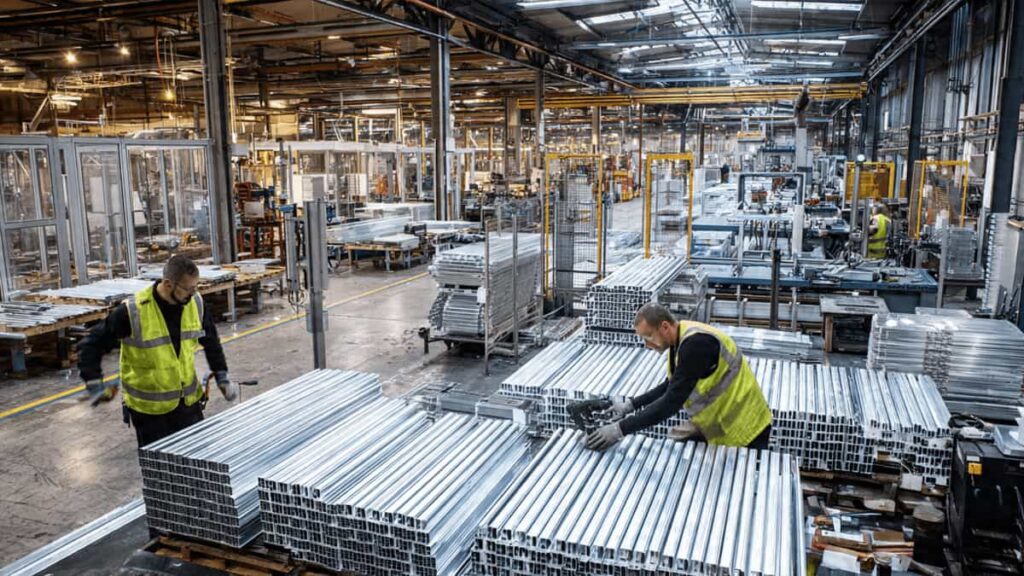
A capable workshop is the backbone of this business. Essential equipment includes:
- ACP Panel Cutting & Grooving Machine: For precise cutting and V-grooving of composite panels.
- CNC Routing Machine: For complex cuts, holes, and patterns in aluminium profiles and ACP sheets.
- Double Mitre Saw & Band Saw: For accurate cutting of aluminium mullions and transoms.
- Double-Handed Drill Machine: For efficient drilling of aluminium frames.
- Pneumatic Rivet Guns: For fastening ACP sheets and other components.
- Glass Handling Equipment: Vacuum lifters and suction cups for safe installation.
- Silicone Application Guns: For applying structural and weather sealants.
- Boom Lift / Scissor Lift: Essential for installation; often rented per project.
Material Sourcing (Cost Center Breakdown)
Material cost constitutes 50-60% of the project value. Key components include:
- Aluminium Profiles: Sourced from major extruders. The choice between powder-coated and anodized finishes affects cost and aesthetics.
- Glass: A major cost driver. Types include Float, Tempered, Laminated, Insulated (DGU), and Low-E glass. Performance requirements dictate the choice.
- ACP Sheets: 3mm and 4mm thick, with fire-rated cores (A2) often mandated for high-rises.
- Sealants: Structural silicone (from Dow, Sika) for bonding glass, and weather sealants for joints.
- Fasteners & Substructure: Includes stainless steel bolts, anchors, and aluminium brackets.
Pricing & Profit Margins
Pricing is typically per square meter/foot. A detailed breakdown includes Material Cost, Fabrication Cost (labour, machine amortization), and Installation Cost (site labour, equipment). The profit margin is added on top.
Realistic net profit margins after all expenses are:
- Standard Stick Glazing / ACP Cladding: 12% – 18%
- Curtain Wall (Unitized): 20% – 28%
- High-Rise Unitized Glazing: 30% – 40% (due to complexity and risk)
- Spider Glazing / Special Structures: 25% – 35%
- Annual Maintenance Contracts (AMC): A high-margin (20-30%) source of recurring revenue, ensuring long-term client relationships and passive income.
Customer Segments
Your clients define your business trajectory. Key segments are:
- Builders & Real Estate Developers: The primary clients for new constructions.
- Mall Owners, IT Park Developers & Corporate Offices: For both new builds and retrofits.
- Government Tender Contracts: For airports, metro stations, and hospitals.
- Architects & Façade Consultants: The key influencers and specifiers. Building a strong reputation with them is critical for winning negotiated contracts.
- Commercial Interior Firms: For office interior glazing and partitions.
The potential for repeat business is exceptionally high, as a single successful project can lead to multiple orders from the same satisfied builder or consultant.
Business Workflow (Step-by-Step)
A disciplined workflow mitigates risk and ensures profitability:
- Site Study & Survey: Precise measurement of the building structure.
- Concept & Drawing Study: Deep analysis of architectural and structural drawings.
- BOQ Preparation & Quotation: Detailed Bill of Quantities and project pricing.
- Profile Selection & System Design: Engineering the right aluminium profile system for structural and thermal performance.
- Material Sourcing & Procurement: Ordering profiles, glass, and ACP with lead times in mind.
- Fabrication: Cutting, machining, and pre-assembling units in the workshop.
- Installation: Erection of the facade on-site with trained teams.
- Site Testing: Critical water penetration, air infiltration, and structural tests to validate performance.
- Project Handover & Documentation: Delivering as-built drawings and warranty documents.
Business Risks & How to Manage Them
This business is not without its challenges, but they can be managed:
- Glass Breakage: Mitigated by careful handling, proper packaging, and insurance.
- Incorrect Measurements: Avoided through a rigorous, double-checked site survey process.
- Delay Penalties: Managed through robust project planning, buffer timelines, and clear contracts.
- Poor Sealant Work: Prevented by using certified applicators and strict quality control on silicone curing conditions (temperature, humidity).
- Labour Dependency: Addressed by investing in training, retaining key skilled manpower, and cross-training teams.
- Weather Challenges: Factored into project schedules, especially for sealant application and installation.
Final Wrap
The facade, structural glazing, and curtain wall business represents a high-growth, high-margin frontier within the aluminium industry. It is a technically demanding field that rewards expertise, quality, and reliability. With relentless global urbanization and an unwavering focus on sustainable, energy-efficient construction, the demand for advanced building envelopes is set to soar for decades.
For entrepreneurs and companies with the vision and capital to invest, this business offers not just substantial financial returns but also the legacy of shaping the iconic skylines of the future. The opportunity is vast, from the booming cities of India to the ambitious megaprojects of the Gulf and the regulated markets of the West.
To build a successful venture in this field, the right team and skills are as important as the right tools. For a detailed guide on workforce development, required skills, and team structure, proceed to Part B of this series.