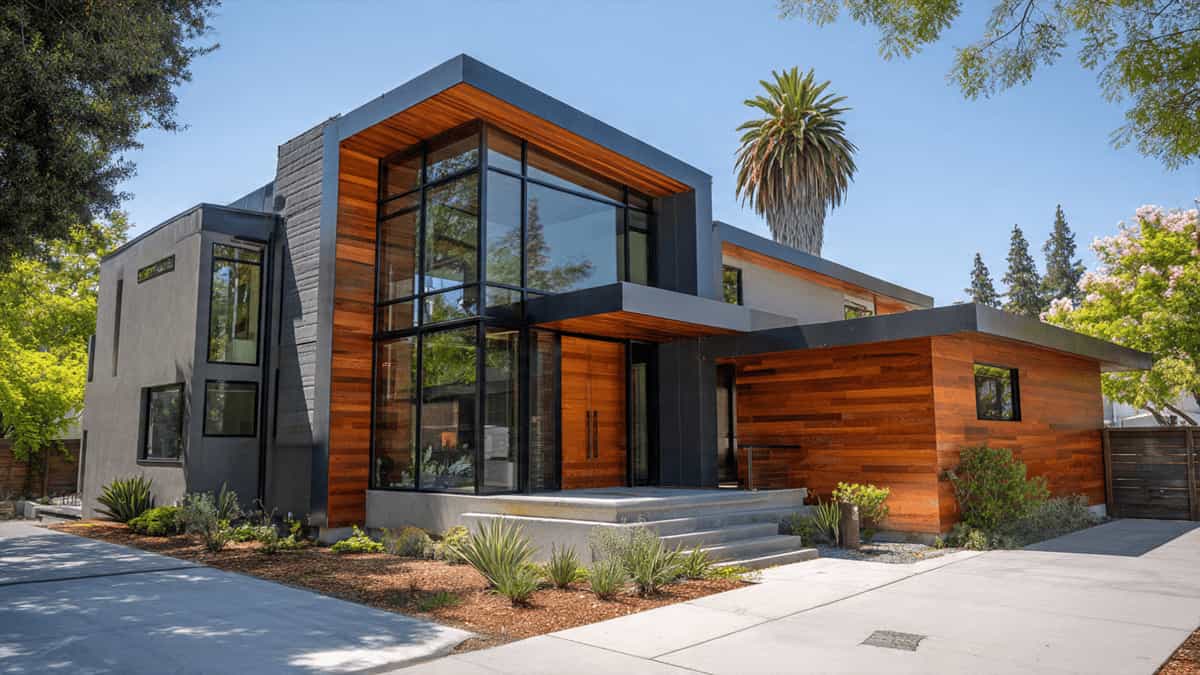
Aluminium windows are celebrated for their sleek aesthetics, durability, and low upkeep. However, like any material, they come with specific challenges. Understanding these issues and their solutions ensures longevity and optimal performance.
1. Condensation and Thermal Bridging
Causes & Effects:
Aluminium’s high thermal conductivity can lead to thermal bridging, where heat escapes through the frame, causing condensation in cold climates. This moisture buildup risks mold growth and structural damage.
Solutions:
- Thermal Breaks: Opt for modern frames with a thermal break—a non-conductive barrier (e.g., polyamide) separating inner and outer frame layers to reduce heat transfer.
- Glazing Upgrade: Install double or triple-glazed units with argon gas fill and low-emissivity (Low-E) coatings to minimize temperature differentials. For deeper insights, explore how triple-pane windows improve efficiency.
- Ventilation: Improve airflow with trickle vents or exhaust fans to reduce indoor humidity.
2. Corrosion in Harsh Environments
Causes & Effects:
While aluminium resists rust, salty coastal air or industrial pollutants can cause pitting corrosion, weakening frames over time.
Solutions:
- Protective Coatings: Choose anodized or powder-coated finishes for enhanced resistance.
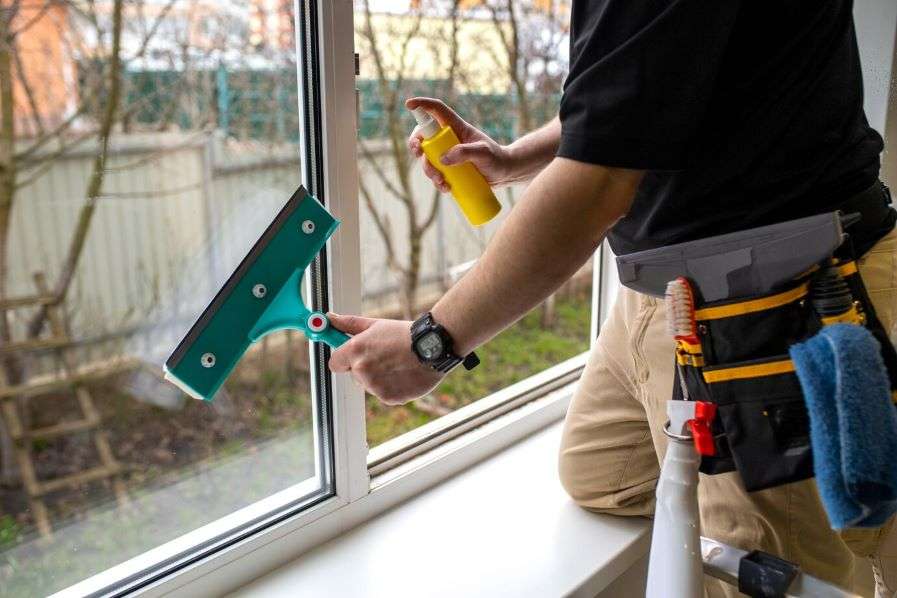
- Maintenance: Rinse frames regularly in coastal areas to remove salt deposits. Inspect annually for coating damage and reapply sealant as needed.
3. Scratches and Dents
Causes & Effects:
Aluminium’s softness makes it prone to dents and scratches during handling or cleaning.
Solutions:
- Prevention: Use soft cloths/microfiber and non-abrasive cleaners during maintenance.
- Repairs: Buff minor scratches with metal polish. For deep damage, consult professionals to weld or replace sections.
4. Poor Thermal Insulation
Causes & Effects:
Single-pane aluminium windows lack insulation, raising energy bills and reducing comfort.
Solutions:
- Thermal Breaks + Glazing: Combine thermal breaks with double/triple glazing (U-values ≤1.4 W/m²K for optimal efficiency). Learn more about energy-saving benefits of thermal breaks.
- Weather Stripping: Seal gaps with silicone or rubber weatherstrips to block drafts.
5. Noise Transmission
Causes & Effects:
Thin frames and glass amplify external noise, disrupting indoor tranquility.
Solutions:
- Acoustic Glazing: Use laminated glass or thicker panes (6-8mm) with varying thickness to disrupt sound waves.
- Seal Gaps: Apply acoustic seals or compression gaskets around the frame.
6. Stiff Operation Due to Debris or Misalignment
Causes & Effects:
Dirt buildup, corrosion, or frame warping (from thermal expansion) can hinder smooth operation.
Solutions:
- Regular Cleaning: Clear tracks with a brush and mild detergent; lubricate hinges and rollers with silicone spray biannually.
- Alignment Checks: Ensure frames are level. Adjust hinges or rollers if misaligned.
7. Aesthetic Degradation: Fading or Peeling Finishes
Causes & Effects:
UV exposure and weathering can fade colors or cause coatings to peel.
Solutions:
- High-Quality Finishes: Powder-coated finishes offer superior UV and chip resistance compared to paint.
- Touch-Ups: Use manufacturer-recommended touch-up kits for minor flaws.
8. Thermal Expansion/Contraction
Causes & Effects:
Temperature swings cause aluminium to expand/contract, potentially warping frames or creating gaps.
Solutions:
- Expansion Gaps: Ensure installers leave adequate spacing during fitting.
- Flexible Sealants: Use silicone-based sealants that accommodate movement.
Climate-Specific Considerations Across Regions
Aluminum window performance varies significantly based on geographical location. For instance:
- USA & Canada: Prioritize energy-efficient glazing and thermal breaks due to extreme winter conditions.
- Australia & South Africa: Account for intense UV exposure that can accelerate coating degradation.
- UK: Condensation is common, making thermal breaks and trickle vents essential.
- New Zealand’s Coastal Areas: Higher salt exposure necessitates anodized or powder-coated finishes to prevent corrosion.
These regional challenges highlight the importance of choosing aluminum windows tailored to local climate conditions. For specific guidance, see USA climate considerations or UK regional recommendations.
Proactive Tips for Longevity
- Professional Installation: Ensure proper fitting to avoid operational or insulation issues.
- Routine Inspections: Check seals, coatings, and hardware annually.
- Energy Ratings: Select windows with ENERGY STAR® certification or similar standards.
By addressing these issues proactively and leveraging resources like window buying guides, you maximize the lifespan and efficiency of your aluminium windows. For persistent problems, consult a certified installer.
Related Articles

Featured

You May Also Like
Types of Aluminium Sheets Used in Construction Projects

Aluminium 6061 & 6061-T6: The World’s Workhorse
Best Full View Storm Doors for Modern, Minimalist Homes

Why Aluminium Foil Has Two Sides – The Shiny Secret

Career in Facade, Structural Glazing & Curtain Wall Indu…