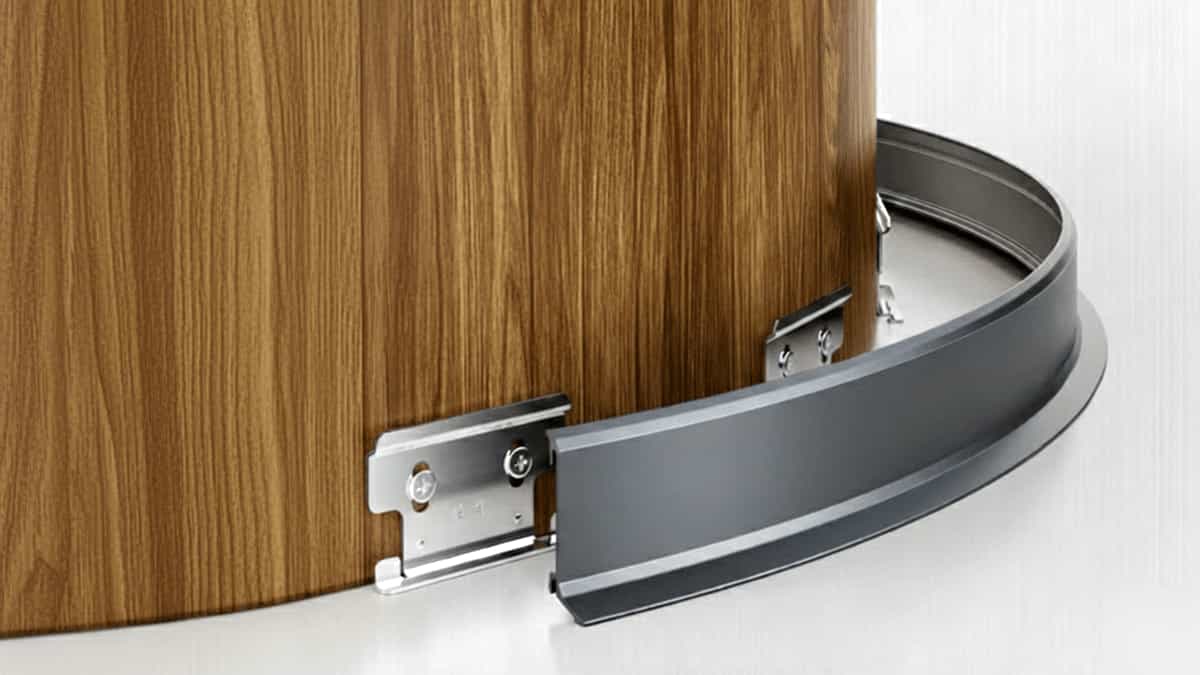
A quiet revolution is reshaping interior finishing details from London town houses to Mumbai apartments, and from Cape Town homes to Auckland villas. Beyond its traditional strongholds, aluminium skirting board is experiencing a surge in global popularity. This isn’t about a single trend, but rather a convergence of local needs finding a universal solution. The remarkable properties and versatility of aluminium mean different regions are discovering that aluminium skirting solves their unique architectural challenges with sleek efficiency.
Top 5 Reasons Why People Are Choosing Aluminium Skirting
Beyond the technical specifications of the metal itself, homeowners, renovators, and builders are selecting aluminium skirting for deeply practical, day-to-day advantages. Here are the top five real-world reasons driving its installation.
1. The “Install It and Forget It” Factor
Unlike timber, which requires periodic sanding, repainting, or resealing, aluminium skirting is a true low-maintenance finish. Once installed, it only needs an occasional wipe with a damp cloth to look new. This eliminates a recurring chore and future refurbishment costs, making it a perfect choice for busy households, rental properties, and commercial spaces where reducing long-term upkeep is a priority.
2. Perfect for Renovations Without the Mess
Installing traditional skirting often involves messy cutting, sanding, and painting. Aluminium skirting systems, with their pre-fabricated external corners, internal corners, and connectors, allow for a much cleaner and faster installation. It can typically be fitted directly over existing finished floors with minimal disruption, using adhesive or discrete screws, making it ideal for home upgrades where you want to avoid a full-scale construction zone.
3. A Seamless Match for Any Floor, Anytime
A major practical headache is finding skirting that works with different flooring types, especially during phased renovations. Aluminium skirting provides a unified solution. Its clean, neutral profile looks equally appropriate against tiles, engineered wood, laminate, vinyl, or carpet. This means you can install it throughout the entire home, regardless of what flooring material is in each room, ensuring a consistent and professional look.
4. Superior Protection for Your Walls
The primary job of skirting is to protect the bottom of your walls from damage. Aluminium excels here due to its rigidity and impact resistance. It effectively guards against dents from vacuum cleaners, furniture, and foot traffic. Its straight, unwavering profile also creates a tighter, more consistent seal against the wall, preventing dust and debris from accumulating in the gap—a common issue with warping timber.
5. A Future-Proof Choice for a Changing Home
Life happens, and interiors change. The durable powder-coated or anodized finish on aluminium skirting is highly resistant to chipping and scuffing. This makes it exceptionally resilient during future redecorating projects, furniture moves, or even repairs. You won’t need to replace or touch up the skirting every time you refresh a room, protecting your initial investment and simplifying future home updates.
Aluminium Skirting: Pros & Cons
Pros (Advantages)
- Zero Maintenance: Never needs painting, sanding, or sealing—simply wipe clean.
- High Durability: Resistant to dents, cracks, warping, and moisture damage.
- Pest & Rot Proof: Impervious to termites, borers, and mould.
- Easy Installation: Systems with pre-made corners and connectors allow for clean, fast fitting.
- Flooring Versatility: Provides a consistent, modern finish with all floor types (tile, wood, carpet).
- Modern Aesthetic: Offers sleek, crisp lines ideal for contemporary interiors.
- Long-Term Value: Eliminates ongoing repair and replacement costs associated with timber skirting.
Cons (Considerations / Disadvantages)
- Higher Upfront Cost: Typically more expensive than basic timber or PVC options, as aluminium skirting falls into the premium category. For context on global market fluctuations, see our current aluminium price guide.
- Design Preference Dependent: While aluminium offers many RAL colour options and wood-finish designs, some homeowners may still prefer traditional timber aesthetics.
- Installation Precision Required: Achieving seamless joints and accurate mitres requires proper tools and skilled handling.
- Impact Sensitivity: Although durable, extremely heavy impacts may cause dents.
- Limited Repair Flexibility: Unlike timber, scratches, or damage cannot be easily sanded or filled; affected sections usually require replacement.
A Solution for Regional Challenges, A Unifying Modern Aesthetic
The rise isn’t accidental. In each market, specific drivers—climate, pests, urban living, or design evolution—are pushing builders and homeowners away from traditional timber or PVC towards the robust performance of aluminium.
South Africa: Durability Meets Security & Style
Here, the drivers are multifaceted. In a climate ranging from Mediterranean to subtropical, moisture resistance and termite-proof performance are crucial. Aluminium skirting won’t warp in Durban’s humidity or attract borers. Furthermore, its robust nature complements security-conscious building, and its sleek finish aligns with the contemporary, clean-line architecture prevalent in modern South African developments. It’s a practical choice for a home in Pretoria that’s as resilient as it is stylish.
New Zealand: Resilience in the Face of Nature
Kiwis value materials that stand up to their environment. Aluminium skirting answers the call by being completely resistant to the pervasive native bora beetle, a fatal flaw for untreated timber. Its stability is perfect for homes dealing with ground movement or humidity variations. The low-maintenance aspect resonates deeply with the NZ lifestyle—more time enjoying the outdoors, less time on upkeep. It pairs perfectly with popular polished concrete floors and modern cedar cladding, offering a crisp, architectural finish.
Malaysia & Southeast Asia: Champion of the Humid Climate
In the constant heat and humidity of Malaysia, traditional skirting materials face their toughest test. Aluminium’s imperviousness to mould, rot, and insect infestation makes it a champion. It provides a flawless, easy-to-clean finish that won’t degrade in bathroom steam or monsoon-season dampness. Aesthetically, its modern profile complements the glass, steel, and clean concrete often used in urban Malaysian condos and commercial spaces, supporting a cooler, more minimalist visual temperature.
United Kingdom: The Renovation & Efficiency Upgrade
In the UK, the drive is often within the renovation and heritage-conversion market. Homeowners seeking modern performance in period properties are turning to aluminium skirting. It offers a crisp, contemporary detail that can contrast beautifully with original features. For new builds and extensions, its role in creating airtight seals contributes to crucial thermal efficiency and Building Regulation compliance. The powder-coat finish allows for any RAL colour, enabling perfect matches for modern interior schemes.
India: Urban Practicality Meets Aspirational Design
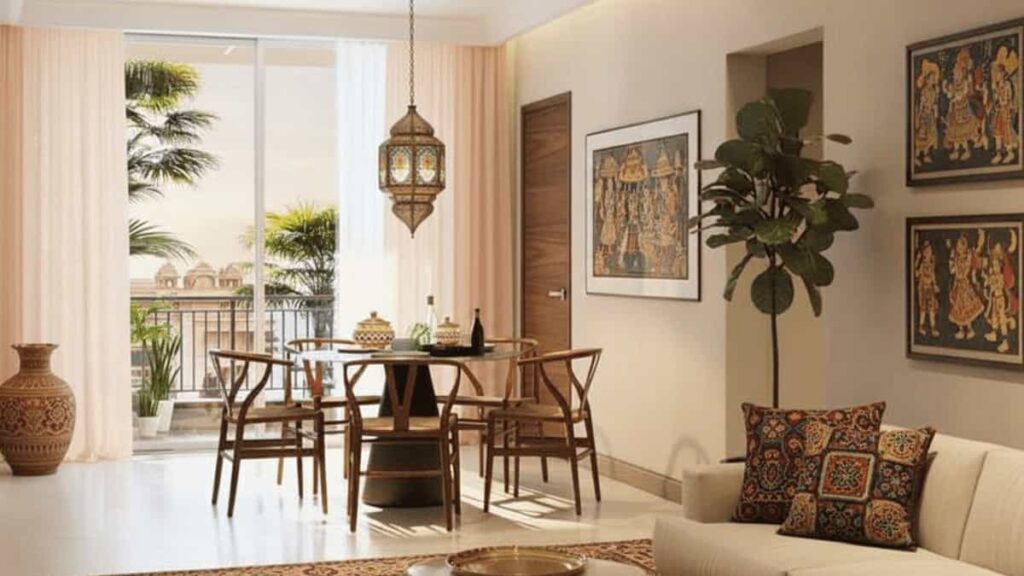
India’s rapid urbanization and aspirational housing market demand materials that signify modernity and offer practical benefits. In dense, polluted urban centres, aluminium skirting is valued for being easy to clean and hygienic, resisting dust and damp. For high-end developments, its sleek, joint-free installation represents a premium finish. It also solves practical issues like termite resistance in a country where pest damage is a major concern, making it a smart, long-term investment for both luxury apartments and commercial projects.
The Universal Drivers: What All These Markets Share
While local needs vary, common global threads are fueling this adoption:
- The Low-Maintenance Imperative: Worldwide, people desire more free time. Aluminium’s wipe-clean, no-paint-required nature is universally appealing.
- Modern Aesthetic Uniformity: The international language of contemporary design—clean lines, minimalist details—is perfectly spoken by aluminium profiles.
- Sustainability Consciousness: The 100% recyclability of aluminium aligns with global green building trends, from NZ’s Homestar ratings to the UK’s BREEAM standards. For more on the material’s environmental benefits, explore sustainable aluminium applications.
- Supply Chain & Installation Efficiency: As a lightweight, system-based product, it reduces on-site waste and labour, a key factor for cost-conscious and quality-driven projects everywhere.
Summary: A Local Solution with Global Provenance
The story of aluminium skirting is no longer niche; it’s a case study in how a smart material finds its place in diverse building cultures. It’s being specified not because it’s a generic import, but because it solves specific, pressing local problems—be it humidity in Kuala Lumpur, pests in Auckland, renovation aesthetics in London, or urban hygiene in Mumbai.
This global embrace signals a shift towards performance-driven detailing. It shows that homeowners and professionals worldwide are making similar calculations: opting for long-term durability over short-term tradition, choosing resilient materials that offer aesthetic freedom, and investing in details that simplify life. The aluminium skirting board, in its quiet way, has become a truly global citizen of modern construction.
Related Articles

Featured
You May Also Like
Is Your Aluminum Foil Safe? We Debunk the Top 3 Kitchen Myth…
Aluminum Fencing Business: The Complete Guide
Choosing Aluminum Doors & Windows for Different US Clima…

Why Is Aluminum Used for Aircraft Bodies? Which Alloys Are U…

ISO 9001 14001 45001 Elevate Aluminium Coating Quality and S…