

Choosing the right glazing for your aluminium casement windows is one of the most impactful decisions you’ll make for your home’s comfort, energy bills, and long-term value. It’s not just about counting panes of glass—it’s about matching performance to your climate, lifestyle, and budget.
This definitive guide cuts through the confusion, comparing single, double, and triple glazing with a clear focus on real-world performance, climate suitability, and how the aluminium frame itself holds up against sun, rain, and time.
🏗️ Why the Aluminium Frame is Your Climate-Proof Foundation
Before we dive into glazing, let’s address the backbone: the aluminium frame. Understanding its inherent pros and cons is crucial, as it interacts directly with your glazing choice.
The Pros: Built to Endure
- Unmatched Durability: Unlike wood, aluminium won’t rot, warp, or crack. Its natural resistance to corrosion is enhanced by high-quality powder coating or anodizing, creating a shield against the elements. This makes it ideal for coastal areas with salty air or regions with high pollution.
- Minimal Maintenance: A simple wipe-down with soapy water is typically all that’s needed. There’s no sanding, sealing, or repainting required every few years.
- Structural Integrity & Slim Sightlines: Aluminium’s strength allows for slimmer frames that support larger glass panels.2 This means more natural light and less visual obstruction, without compromising on security or stability.
- Perfect for All Climates: From the intense, direct UV exposure in hot, sunny regions to the freeze-thaw cycles and driving rain of colder zones, a well-finished aluminium frame is engineered to perform. It doesn’t expand and contract as dramatically as some materials, reducing stress on seals.
Wondering how finishes hold up? Learn about the different protective coatings: Powder Coating vs. Anodizing
-Ads-
The Cons & Considerations
- Thermal Conductivity (The “Cold Bridge”): Bare aluminum conducts heat and cold very efficiently. This is why thermal break technology is non-negotiable for energy efficiency. A thermal break is a polyamide bar inserted between the inner and outer frame, preventing temperature transfer.
- Potential for Condensation: In poorly insulated frames (non-thermal break), the interior surface can become cold enough for moisture in the air to condense. Always opt for thermally broken aluminum frames to move the “dew point” outside and prevent this issue.
- Upfront Cost: High-quality, thermally broken aluminium systems have a higher initial cost than basic uPVC or single-glazed options, but this is offset by longevity and superior performance.
Is condensation a concern? Read our guide: Condensation on Aluminium Windows
🔍 Glazing Showdown: Single, Double, or Triple?
Your glazing choice works with the frame to create your home’s environmental barrier. Here’s how each option stacks up, with a focus on double glazed windows.
1. Single Glazing: The Budget & Speciality Option
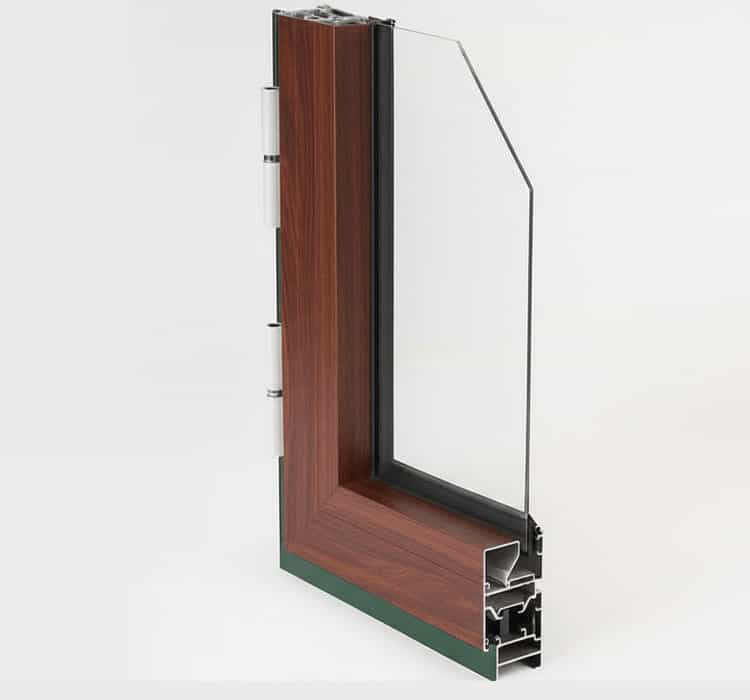
- What it is: One single pane of glass.
- Best for: Non-habitable spaces (garages, sheds, greenhouses), interior partitions, or heritage properties where original appearance is paramount and climate control is not a priority.
- Climate Reality: Offers almost no insulation. In summer, heat streams in; in winter, it escapes rapidly. Direct sunlight can make the interior pane very hot. In rainy climates, the interior glass surface will often feel cold and may show condensation.
- Verdict: A cost-effective solution only where thermal and acoustic performance are irrelevant.
2. Double Glazing: The Smart, Balanced Standard (Best for Most)
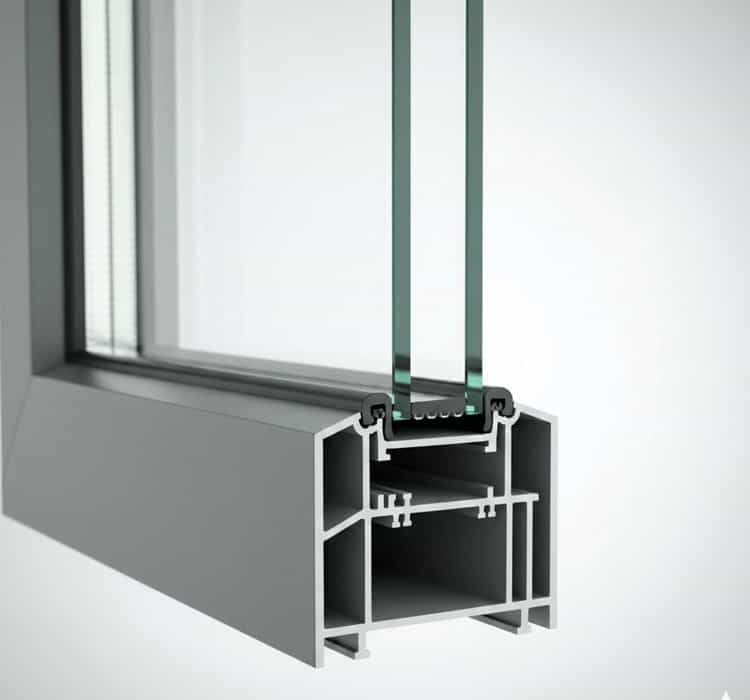
- What it is: Two panes of glass sealed with a spacer bar, creating a cavity often filled with inert Argon gas for better insulation. This is the definition of double glazed windows.
- Best for: The vast majority of homes. It provides the optimal balance of cost, performance, and return on investment for most temperate, hot, and mixed climates.
- Climate & Performance Facts:
- Hot/Sunny Climates: When paired with a Low-E (low-emissivity) coating, double glazing reflects radiant heat back outside, significantly reducing solar heat gain and cooling costs.5
- Cold/Rainy Climates: The insulating air gap drastically reduces heat loss. Combined with a thermal break aluminium frame, the interior glass stays warmer, boosting comfort and stopping condensation.
- Noisy Areas: The air gap provides a substantial sound-dampening effect.
- Verdict: The go-to choice for modern homes. High-quality double glazed windows deliver excellent energy efficiency, comfort, and noise reduction for a reasonable investment.
Need help choosing the right glass? Understand your options: Types of Glass for Aluminium Doors & Windows
-Ads--Ads-
3. Triple Glazing: The Ultimate Performance Layer

- What it is: Three panes of glass with two insulating cavities.6
- Best for: Extreme climates (very cold northern regions or intensely hot, arid zones), areas near extreme noise sources (airports, highways), and passive house or ultra-high-efficiency builds where maximum performance is the goal.
- Climate & Performance Facts:
- Extreme Cold: Provides the highest possible U-value (insulation rating), creating a supremely warm interior glass surface and virtually eliminating condensation risk.
- Extreme Heat & Sun: With specialized coatings, it offers the ultimate barrier against solar heat gain.
- Acoustic Performance: The two air gaps offer superior sound insulation against low-frequency noise (like traffic rumble).
- Weight & Frame: The added weight requires a robust, engineered aluminium frame—thankfully, aluminium is more than capable of handling it.
- Verdict: For most, it’s overkill. For specific needs and extreme environments, it’s the unmatched performance champion.
Is triple glazing worth the premium? We break down the difference: Do Triple Pane Windows Make a Difference?
-Ads-
💡 Your Decision Matrix: Choosing What’s Right for YOU
| Consideration | Single Glazing | Double Glazing | Triple Glazing |
| Primary Climate | Mild, or non-habitable space | Temperate, Hot, Mixed, Cold | Extreme Cold or Extreme Heat |
| Primary Goal | Lowest upfront cost | Optimal balance of efficiency & cost | Maximum efficiency & comfort |
| Energy Bills | Will be highest | Significant reduction | Maximum possible reduction |
| Noise Reduction | Minimal | Very Good | Excellent |
| Condensation Risk | High (without thermal break) | Low (with thermal break) | Very Low |
| Long-Term ROI | Low | High | High (in extreme climates) |
Final, Actionable Advice:
- Never Compromise on the Frame: Always choose thermally broken aluminium. This is the foundation of performance. A triple-glazed unit in a non-thermal break frame is a wasted investment.
- Match Glazing to Your Biggest Challenge: Is it scorching summer bills? Prioritize double glazed windows with a Low-E coating. Is it bitter winter drafts and condensation? Prioritize double or triple glazing for a warmer interior pane.
- Think Long-Term: The slightly higher cost of quality double glazing over single will be repaid many times over in energy savings and increased property value. For a comprehensive view, see our Window Buying Guide.
Conclusion: For 95% of homeowners, thermally broken aluminium casement windows with double glazing represent the perfect synergy of modern aesthetics, resilient durability, and intelligent energy performance. They are a versatile solution engineered to handle direct sun, driving rain, and everything in between, ensuring your home remains comfortable, quiet, and efficient for decades to come.
Related Articles
Featured
You May Also Like
Casement or French Casement Windows? The Difference Most Hom…
Why Use Aluminum Foil in the Dishwasher?

Mastering Window Sealing: Boost Energy Efficiency and Preven…
Energy Efficiency in Windows: How Thermal Break Aluminium Cu…
Should I Repair or Replace My Old Windows? Here’s the Real A…
