Let’s be real for a second.
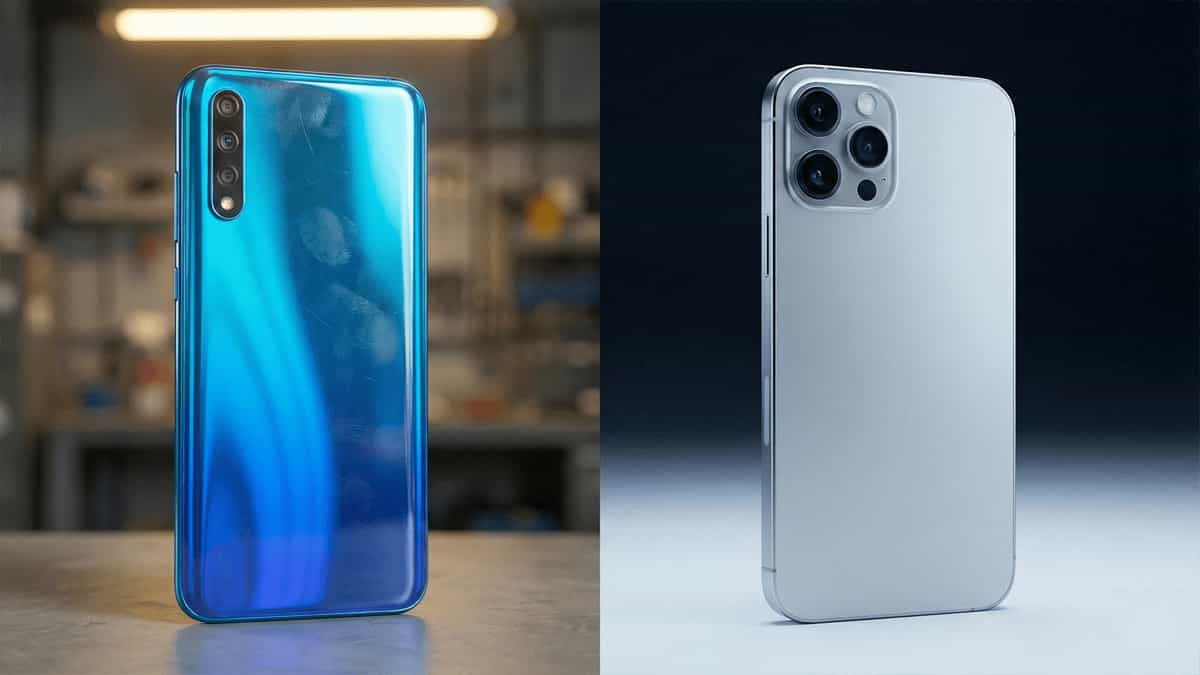
Pick up a plastic phone. Now pick up an aluminum one.
One feels like a toy. The other feels like a tool.
And in 2024, with phones costing as much as laptops, that “feel” isn’t just about vanity—it’s about longevity, performance, and whether your device will survive past the two-year mark.
I’ve dropped both. I’ve used both in the sun, in my pocket, and under daily grind. And after years in the tech space—and diving deep into material science—I’m convinced: the debate isn’t just plastic vs. metal. It’s about what you’re really buying into.
Plastic Phones Are Basically Toys
We’ve all been there. You unbox that shiny new budget phone, and for a week, it’s great. Then the creaks start. The back flexes. The glossy finish scratches from just being in your pocket.
Build material matters today more than ever because we keep phones longer. Upgrades are slower. We want devices that last, not just devices that look good on day one.
“Feel factor” is marketing. Real durability is physics.
Aluminum vs. Plastic — The Reality Check
Let’s talk numbers—and real-life scars.
- Tensile strength: Aluminum alloys like 6061 (standard) or 7075 (aerospace-grade used in flagships) offer incredible strength-to-weight ratios. Plastic? It bends. Permanently.
- Scratch resistance: Anodized aluminum can take keys, coins, and grit. Plastic gloss turns into a spiderweb of micro-scratches in months.
- Drop impact: Plastic may flex on the first drop, but it cracks on the second. Aluminum frames can dent—but dents don’t stop functionality.
- Warping: Ever left a plastic phone in a hot car? It can warp. Aluminum might get warm, but it holds its shape.
Curious to see the hard data behind these claims? Our Aluminum Alloy Comparison Tool lets you pit popular alloys like 6061 against 7075. It’s proof that the premium feel of a metal phone isn’t just marketing—it’s measurable engineering.
This isn’t just theory. In industries like construction and automotive, aluminium is chosen for its durability and versatility under stress—the same logic applies to your phone.
Heat Management: Aluminum Is a Natural Heat Sink
Here’s a secret: your phone’s performance throttles under heat.
Plastic traps heat. Aluminum dissipates it.
That’s why budget phones overheat during gaming or 5G use—they’re basically wrapped in insulation.
The aluminum body acts as a passive heat sink, drawing heat away from the processor. It’s why you see metal frames in gaming phones and flagships.
In fact, the role of aluminium in managing heat is so crucial that it’s become the backbone of modern thermal design in tech, much like its role in solar panel efficiency.
Longevity: Aluminum Ages Like Wine, Plastic Ages Like… Plastic
Two years in:
- Plastic fades, especially in sunlight.
- It develops micro-cracks near ports and buttons.
- The frame flexes, weakening internal connections.
Aluminum? It might patina. It might show a few dings. But structurally, it’s still solid.
Think about aluminium in architecture—windows and facades last decades because the material endures. Your phone deserves the same engineering respect.
Premium Feel & Finish (Aesthetics That Actually Last)

There’s a reason aluminum phones feel premium—machining the metal is an art. CNC milling allows precise, sleek designs that molding plastic can’t match.
The weight, the cool touch, the solid thud on a table—it signals quality that lasts.
It’s the same reason high-end doors and windows use aluminium profiles—the finish stays, the strength remains.
Environmental Impact: Aluminum Is Recyclable
Here’s the hard truth: plastic phone backs are landfill futures.
Aluminum is infinitely recyclable with nearly 75% of all aluminium ever produced still in use today. The carbon footprint of recycled material is a fraction of virgin ore.
We talk about sustainability—then buy phones wrapped in plastic. That’s dissonance.
The aluminium recycling process is a closed loop. Plastic phone recycling? Rare and low-yield.
When Plastic STILL Makes Sense (Fair Argument Section)
I’ll be fair:
- Budget segment: Plastic keeps costs down.
- Signal transparency: Plastic doesn’t interfere with wireless charging or 5G mmWave. This is why metal phones need those visible “antenna lines” on the frame.
- Tough polycarbonate: Some plastics (like polycarbonate blends) are shock-absorbent and used in rugged devices.
But for most mainstream phones? Plastic is a compromise, not a choice.
Future Trends: Metal Frames Are Making a Comeback
Apple’s shift back to aluminum in recent base models. Samsung introducing aluminum in mid-rangers.
Even the EV industry is pushing aluminium innovation for lightweight durability.
This isn’t a nostalgia trend—it’s a realization: aluminium is the material of the future, again.
Verdict: Stop Buying Plastic Phones If You Want Longevity
We vote with our wallets.
If you want a phone that feels cheap, overheats, and will look tired in a year—buy plastic.
If you want a device that stands up to life, manages heat better, ages gracefully, and can actually be recycled—demand aluminum.
It’s not just a build material. It’s a statement about what you value: short-term savings or long-term substance.
Choose wisely.
Your phone should be a companion, not a consumable.
Related Articles


Featured



You May Also Like

Foil vs. Parchment vs. Plastic Wrap: The Ultimate Guide to C…

Aluminum Bay Windows: Types, Ideas & Replacement Guide
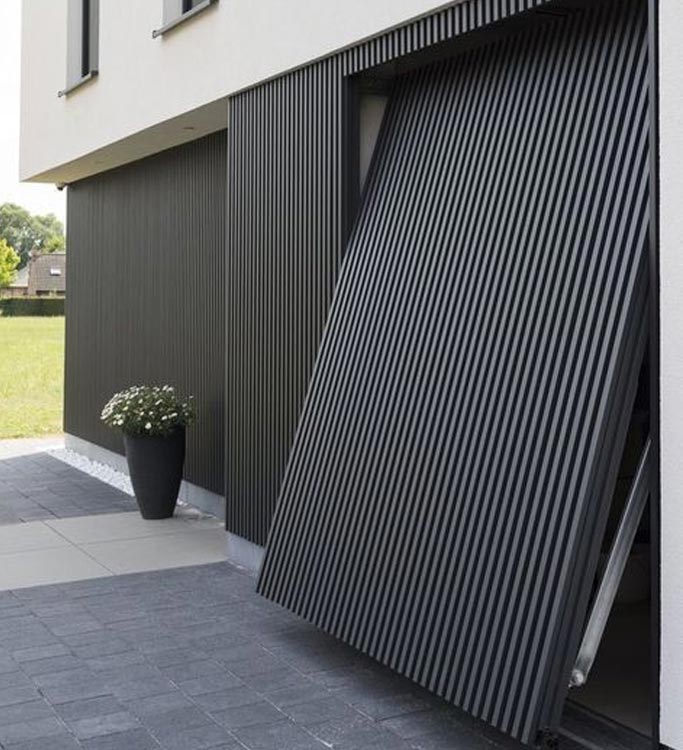
Aluminium Garage Door
Aluminium Windows Problem: Difficulty Sliding (Sticking/Jerk…
The Truth About Aluminum Capacitors: Why Plastic, Copper, an…