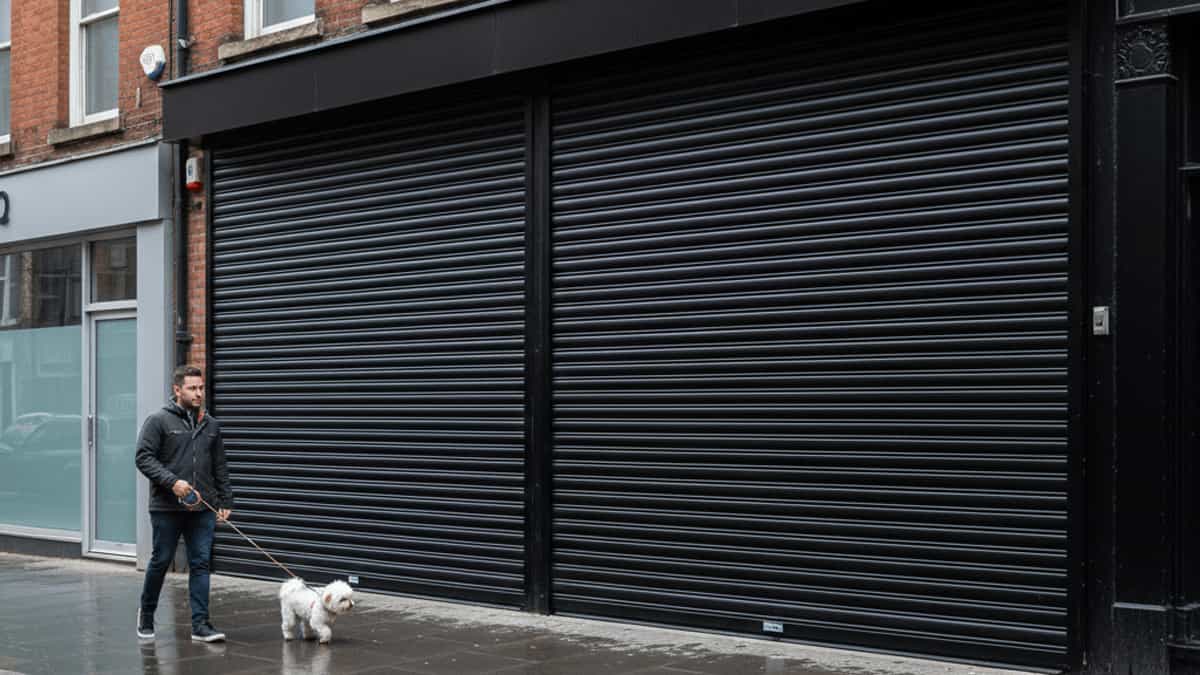
Aluminum roller shutters (also known as aluminium roller doors) are the gold standard for modern property protection. Whether you are securing a storefront in New York, protecting a home from bushfires in Australia, or shielding against monsoons in India, these versatile installations offer a blend of security, energy efficiency, and aesthetic appeal.
In this guide, we explore why aluminum is the superior material choice, compare it to steel and vinyl, and analyze its performance across different global climates—specifically targeting the USA, Australia, South Africa, India, and Belize.
Why Choose Aluminium Roller Shutters?
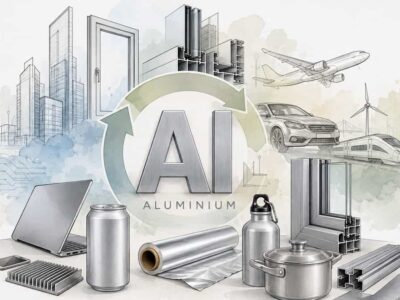
Aluminum shutters are engineered from high-grade alloys, making them exceptionally durable yet lightweight. Unlike steel, which is heavy and prone to rust, or wood, which rots, aluminum offers a “install and forget” solution.
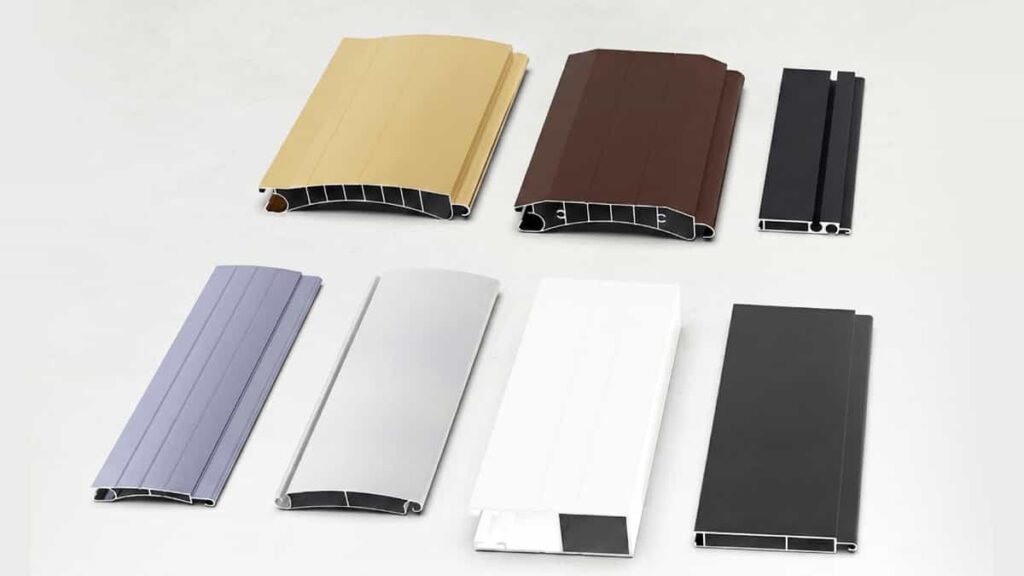
KEY ADVANTAGES
- ✓ Corrosion Resistance: Aluminum naturally forms a protective oxide layer. This is critical for coastal cities like Sydney, Cape Town, or Miami.
- ✓ Strength-to-Weight Ratio: High-tensile alloys like 6063-T6 provide security without burning out motors.
- ✓ Low Maintenance: A simple wipe-down is all that is needed.
Where Are Aluminium Roller Shutters Used?
Aluminium roller shutters are highly versatile and can be installed in a wide range of locations across residential, commercial, industrial, and public settings. Here is a breakdown of common installation sites:
🏠 RESIDENTIAL PROPERTIES
- Windows and Doors: For enhanced security, light control, and insulation, they can be fitted on windows, pedestrian entryways, and patio or French doors.
- Garages: A popular choice for securing residential garages.
- Villas and Apartments: Used for front doors, large windows, and balcony entrances in houses and high-rise apartments.
🏢 COMMERCIAL & RETAIL SPACES
- Shopfronts and Retail Units: This is one of the most common applications, providing security for stores, shopping centers, and arcades.
- Offices: Used for internal or external openings and over reception desks.
- Hospitality: Ideal for securing restaurants, cafes, bars, hotels, and clubs.
- Service Counters: Can be installed at serveries, canteens, and countertops.
🏭 INDUSTRIAL & WAREHOUSE SETTINGS
- Warehouses and Factories: Heavy-duty models secure large openings, loading docks, and storage areas.
- Car Parks and Stairwells: Used to secure parking lots and internal building access points.
- Specialized Facilities: Suitable for chemical plants, refrigerated docks, and clean rooms.
🏛️ PUBLIC & INSTITUTIONAL BUILDINGS
- Transport Hubs: Installed at airports and train stations.
- Healthcare & Education: Used in hospitals, care homes, schools, and universities.
- Leisure & Cultural Sites: Found in sports stadiums, leisure complexes, gyms, and even historical buildings.
Problems That Can Appear Before & After Installation
GOOD
- ✓ Strata / HOA Rules: In apartments and villas, formal body corporate approval is often required to alter the external façade.
- ✓ Recess Depth: Shallow window reveals make fitting side guides without obstructing window handles a common challenge.
- ✓ Electrical Routing: Hiding wiring inside existing plasterboard walls for motorized shutters without cosmetic damage is difficult.
BAD
- ✕ Nighttime Noise: Wind rattling against slats can disturb sleep if guides aren’t perfectly tight.
- ✕ Child Safety: Pinch points between slats and guides become hazards without safety sensors or pinch-guards.
- ✕ Manual Override Failure: If motor fails, awkward manual override chains/straps lead to a physical struggle.
UPSIDES
- ✓ Business Downtime: Installation requires shop closures or high-cost overnight labor.
- ✓ Fire Safety Codes: Standard models fail inspections if fire-rated shutters with auto-rise are mandated.
- ✓ Emergency Egress: Systems require a ‘break-out’ mechanism for emergency exit without power.
DOWNSIDES
- ✕ High-Cycle Fatigue: Operating 300+ times a year causes frequent motor and switch wear-and-tear.
- ✕ Graffiti & Vandalism: Removing paint from powder-coated aluminum often damages the finish.
- ✕ Magnetic Interference: Adjacent remote controls in dense retail strips can trigger the wrong shutters.
PROS
- ✓ Structural Load: Heavy shutters weigh hundreds of kg, often requiring welded RSJ steel headers.
- ✓ Forklift Clearance: Inaccurate height calculations cause constant forklift collision risks.
- ✓ Explosive/Corrosive Risks: Chemical plants require long-lead, specially coated non-sparking aluminum.
CONS AT A GLANCE
- ✕ Debris in Tracks: Dust, wood splinters, or gravel pack into guides, causing shutters to jam.
- ✕ Extreme Thermal Shock: Cold room condensation can freeze slats together, preventing opening.
- ✕ High Wind Loads: Storm-level wind pressure can bow large slats inward, permanently bending them.
STRENGTHS
- ✓ Accessibility Compliance: Manual force limits (5-25 lbs) and battery backups increase engineering costs.
- ✓ Heritage Restrictions: Historical sites require custom RAL color-matching, extending fabrication time.
- ✓ Firefighter Access: Airports/stations require pre-engineered emergency access cutouts.
WEAKNESSES
- ✕ Public Tampering: Physical abuse or debris inserted into tracks regularly misaligns bottom rails.
- ✕ Strict Testing Regimes: Failing mandatory drop-tests triggers expensive technician call-outs.
- ✕ Obstructed Sensors: Grime on floor-level photocell beams causes false safety trips.
Common Problems to Check Before Buying
PRE-PURCHASE CHECKLIST
- Incorrect Measurements: Always confirm finished opening dimensions and mounting arrangements prior to custom fabrication.
- Insufficient Installation Space: Ensure clear clearance for shutter boxes, guides, motors, and future maintenance access.
- Wrong Motor Specification: Calculate duty cycle, curtain weight, and operating frequency rather than matching by shutter size alone.
- Ignoring Structural Support: Verify that supporting walls, lintels, and steelwork can manage the full load.
- Forgetting Emergency Operation: Plan for manual overrides, emergency releases, or battery backups during power outages.
- Choosing the Cheapest Quote: Compare exact component specifications (profiles, motors, finishes, warranties) rather than looking only at the final price.
Key Advantages of Aluminium Shutters
🏠 RESIDENTIAL ADVANTAGES
- ✓ Energy Bill Reduction: Cuts summer heat gain and winter heat loss to lower HVAC costs by up to 30%.
- ✓ Total Blackout for Sleep: Blocks 100% of external light, ideal for shift workers and nurseries.
- ✓ Storm & Hail Protection: Shields window glass during severe weather.
- ✓ Enhanced Curb Appeal: Modernizes exterior aesthetics with custom colors to boost resale value.
- ✓ Child/Pet Safety: Creates a secure barrier preventing accidental falls through open windows.
🏢 COMMERCIAL & RETAIL ADVANTAGES
- ✓ Visual Theft Deterrence: Perforated or slatted profiles allow interior visibility while securing premises.
- ✓ Extended Trading Hours: Keeps shopfronts secure after hours.
- ✓ Showcase Protection: Protects display items and outdoor seating from UV fading and weather.
- ✓ Quick Cycle Times: High-speed motorized operation makes daily handovers efficient.
- ✓ Branding Opportunity: Custom powder-coated slats align with corporate identity color schemes.
🏭 INDUSTRIAL & WAREHOUSE ADVANTAGES
- ✓ Massive Thermal Barrier: Prevents cold air loss from refrigerated docks and protects perishable cargo.
- ✓ Pest & Contaminant Exclusion: Seals against birds, rodents, dust, and airborne debris.
- ✓ Forklift Impact Resistance: Heavy-duty profiles absorb minor vehicle bumps far better than glass or PVC.
- ✓ Natural Ventilation Control: Adjustable opening height allows airflow while maintaining physical security.
- ✓ Low Weight-to-Strength Ratio: Light frame weight protects aging structural steel from over-loading.
🏛️ PUBLIC & INSTITUTIONAL ADVANTAGES
- ✓ Fire Compartmentalization: Automatic fusible links close shutters during a fire to trap smoke and flames.
- ✓ Extreme Vandalism Resistance: Thickened guide channels withstand physical force in crowded areas.
- ✓ Exceptional Noise Reduction: Buffers ambient external noise for hospitals, libraries, and schools.
- ✓ Emergency Accessibility: Battery backups ensure wheelchair and emergency access during outages.
- ✓ Scheduled Automation: Programmable operation manages crowd entry and closure automatically.
Aluminium vs. Other Materials: A Quick Comparison
ADVANTAGES
- ✓ Rust Resistance: Excellent corrosion performance.
- ✓ Security Strength: High security capability.
- ✓ Weight: Lightweight, extending motor life.
- ✓ Aesthetics: Modern, sleek architectural appeal.
DISADVANTAGES
- ✕ Rust Resistance: Poor; requires ongoing painting.
- ✕ Security Strength: Very high, but heavy weight strains motors.
- ✕ Weight: Heavy structural load.
- ✕ Aesthetics: Industrial, bulky, prone to corrosion.
Colour Coatings & Alloys
COATING OPTIONS
- Powder Coating: Offers unlimited RAL colors and high UV resistance. Ideal for homes in the USA and Australia.
- Anodizing: Electrochemical surface integration designed for coastal zones (Belize, South Africa) where salt spray causes corrosion.
You May Also Like
Learn the Difference: Read our guide on Powder Coating vs. Anodizing: Which is Best?
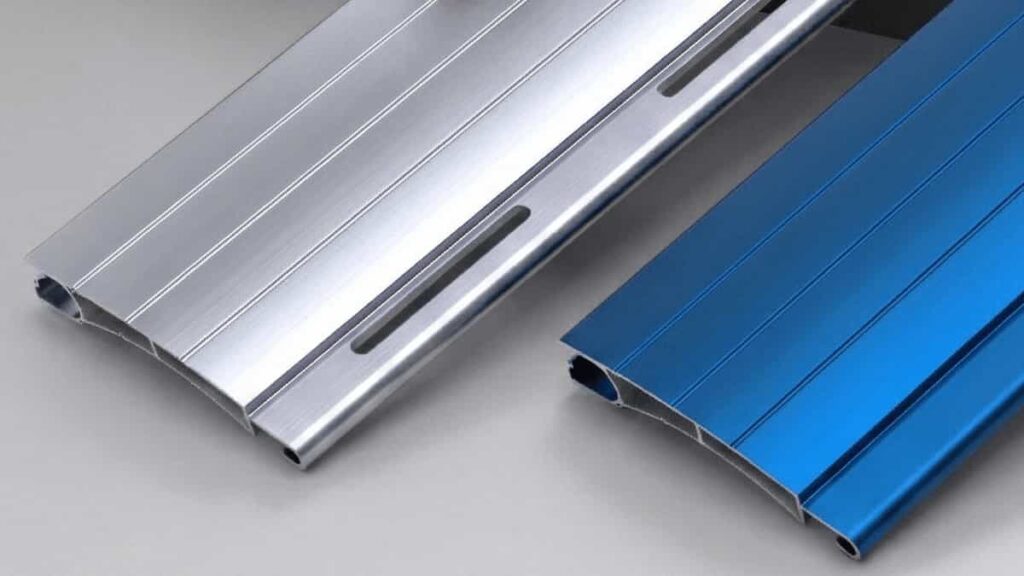
ALLOY SELECTION (6063 vs. 6061)
- 6063-T5 / T6: Architectural alloy offering an ideal balance of extrudability, smooth surface finish, and strength.
- 6061-T6: High-strength structural alloy suited for extreme industrial applications.

FAQs
What makes aluminum roller shutters superior to steel or vinyl?
Aluminum provides an optimal strength-to-weight ratio that places less strain on operating motors compared to heavy steel. Unlike steel, it naturally resists rust and corrosion—especially when powder-coated or anodized—making it far more durable than vinyl or wood in severe weather conditions.
How do I maintain my aluminum roller shutters?
Aluminum shutters are virtually maintenance-free. Regular wipe-downs with clean water and mild soap, along with keeping the side tracks clear of dust and debris, are usually all that is needed to ensure smooth long-term operation.
Which surface coating is best for coastal regions?
Anodized finishes are ideal for coastal areas exposed to salt air (such as Belize or Cape Town) because the protective coating is electrochemically integrated into the metal. Powder coating is also effective and provides broader color choices (RAL codes) for inland properties.
Ready to upgrade? Check out our extensive guides on Aluminium Window Maintenance to keep your new shutters looking pristine for years to come.