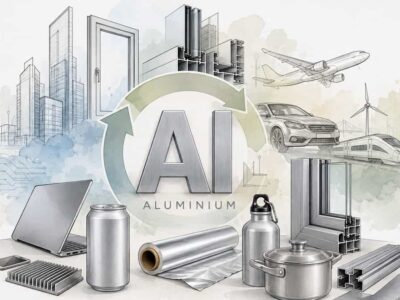
Aluminium capacitor cans look like a tiny, boring component… until you realize they power the entire electronics ecosystem. SMPS, UPS, EV chargers, motherboards, LED drivers, AC PCBs, and solar inverters—everything uses aluminum electrolytic capacitors. This makes capacitor can manufacturing a forever industry. If you want a stable, technical, factory-driven career, this field is seriously underrated. While many discuss electronics, few know the skilled trade that makes them possible.
How to Enter in This Industry (Education Paths)
This field values practical skill and precision over academic theory, offering multiple realistic entry points.
2.1 ITI Diploma (Fitter, Turner, Machinist, Tool & Die)
This is the most direct and respected entry path. You can start immediately in roles like:
- Press Helper
- Deep Drawing Assistant
- Punch Press Operator
- QC Trainee
2.2 Polytechnic/Diploma (Mechanical, Production, Tool Engineering)
Perfect for technical operator or technician roles, such as:
- Machine Operator
- Tool Room Technician
- QC Inspector
- Process Technician
2.3 Engineering Degree (Mechanical, Manufacturing, Industrial, Metallurgy)
Graduates enter in technical and supervisory roles:
- Production Engineer
- Process Engineer
- QA/QC Engineer
- Shift Supervisor
- R&D Support
2.4 Experience-Based Entry (No Formal Degree)
Start on the shop floor as a helper, learn the machines, get certified internally, and grow into a skilled operator. This industry values demonstrable skill far more than degrees alone.
Key Job Roles in a Capacitor Can Manufacturing Plant
3.1 Deep Drawing Press Operator (The Core Role)
The “pilot” of the entire unit. Responsibilities include converting aluminum coil/strip into cup shapes, managing multi-stage deep drawing, controlling wall thickness, performing die changeovers, conducting safety checks, and maintaining consistent output.
3.2 Redraw & Trimming Operator
Handles the final shaping of the can, including height trimming, roundness correction, and burr removal to achieve precise final dimensions.
3.3 Punch Press Operator (Top Cover Manufacturing)
Manufactures the top covers by punching terminal holes, stamping the crucial safety vent, and maintaining strict flatness and tolerance standards.
3.4 Rubber Bung/Gasket Operator
Operates molding machines for EPDM or Butyl rubber components, ensuring dimensional accuracy and performing fitment testing—a deceptively critical role for final seal integrity.
3.5 QC Inspector (Quality Control)
A high-pressure, critical role. Tasks include wall thickness measurement, checking diameter and height accuracy, visual defect inspection, conducting leak tests, and verifying annealing quality. A batch rejection can hinge on this inspection.
3.6 Process Engineer
For diploma/degree holders, this role involves optimizing cycle time, reducing scrap, improving die life, setting process parameters, and supporting new product development.
3.7 Tool Room Technician
One of the highest-value technical skills in the plant. Responsibilities include punch and die maintenance, die polishing, tool alignment, and preventive maintenance to ensure continuous production.
Skills Required (Your Real Toolkit)
- Technical Skills: Deep drawing press operation, understanding metal flow behavior, basic hydraulics knowledge, annealing & metallurgy basics, sheet metal forming logic.
- Measurement Skills: Vernier caliper, Micrometer, Height gauge, Roundness gauge.
- Software Skills (Engineer Roles): AutoCAD basics, ERP software (SAP/Oracle), QC data logging systems.
- “Factory Sense”: This intuitive skill separates ordinary operators from true industrial professionals. It involves identifying abnormal machine noise, predicting die problems early, understanding vibration patterns, and instinctively adjusting stroke timing.
Salary Range (Global)
| Country | Position | Salary Range |
|---|---|---|
| India | Helper | ₹12,000 – ₹18,000/month |
| Press Operator | ₹20,000 – ₹35,000/month | |
| Senior Operator | ₹35,000 – ₹55,000/month | |
| QC Inspector | ₹22,000 – ₹40,000/month | |
| United States | Operator | $17 – $25/hour |
| Process Engineer | $60,000 – $95,000/year | |
| Mexico | Operator | MXN 9,000 – 16,000/month |
| Tool Tech | MXN 12,000 – 22,000/month | |
| Brazil | Operator | R$ 1,800 – 3,500/month |
| Engineer | R$ 6,000 – 12,000/month | |
| Canada | Operator | CAD $18 – $28/hour |
| Engineer | CAD $65,000 – $95,000/year |
Career Growth Roadmap
- Path A — Machine Specialist: Helper → Operator → Senior Operator → Shift In-Charge → Production Supervisor → Plant Manager
- Path B — Technical/Engineering Route: Operator → QC Inspector → Process Technician → Process Engineer → Production Engineer → Operations Manager
- Path C — Tooling Expert: Helper → Tool Room Technician → Die Specialist → Tool Room Head
- Path D — Entrepreneurial Route: After 5–10 years of experience, you can start your own deep-drawing unit, rubber bung molding shop, tool repair workshop, or aluminum slug trading business.
Future Scope — Extremely Strong
Electronics demand = capacitor demand = aluminum can demand. This creates permanent opportunities in growing sectors:
- EV charging infrastructure
- Solar inverters and renewable energy
- LED lighting and smart devices
- Servers & data centers
- Automotive ECUs
- Industrial drives and automation
The AI and EV boom ensures capacitors will always be needed, which means cans will always be needed, which means skilled workers will always be needed.
Final Summary (Straight Truth)
If you want a stable, technical, hands-on career with real growth and solid job security, aluminium capacitor can manufacturing is a seriously underrated goldmine. No fancy degree is required—just discipline, skill, and machine sense. This career offers the satisfaction of mastering a precise craft that sits at the very heart of the global electronics revolution. For foundational knowledge about the material, read about how aluminium is made. To understand a major end-use sector driving demand, explore the role of aluminium in the EV revolution.
Related Articles



Featured



You May Also Like

Seamless Style and Grand Entrances: A Look at Aluminum Pivot…

Aluminum Wire Gauge Size Chart

Sliding Door vs. Casement Door: Which is the Right Choice fo…
Can Aluminium Telescopic Ladders Be Left Outside?

Why Aluminium Window Awnings Are the Best Choice for Queensl…