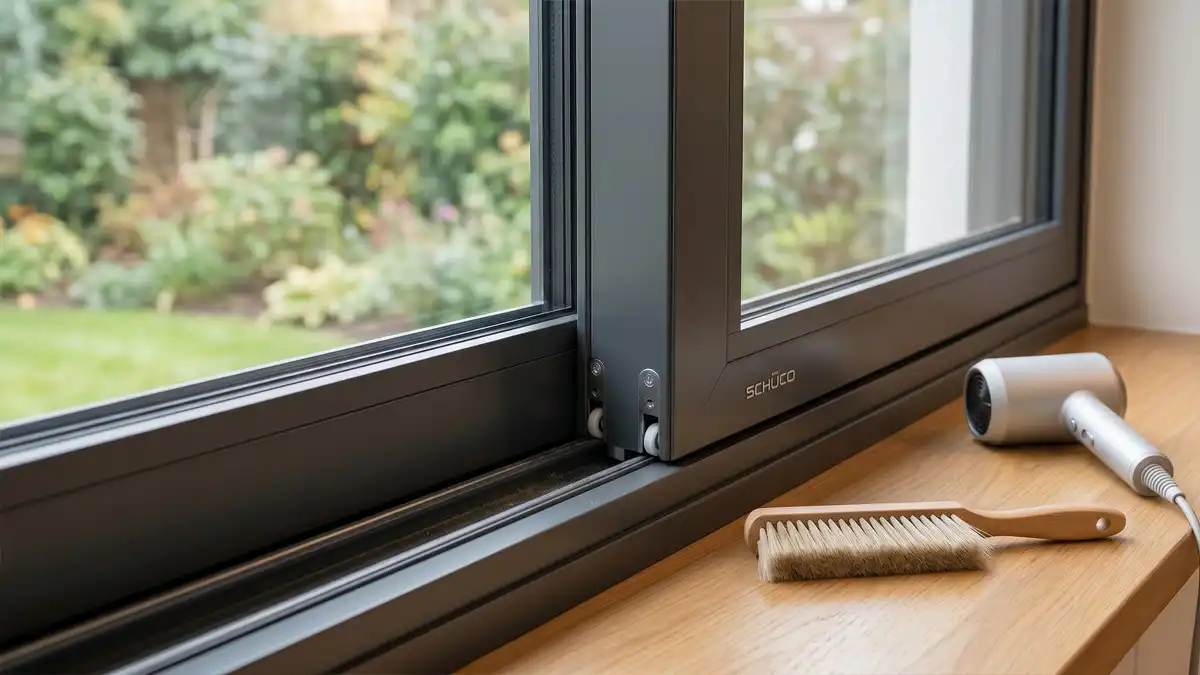
A Frustrating Grind. The most common complaint with sliding Aluminium windows is operational difficulty. A window that should glide smoothly instead sticks, jerks, or refuses to move at all. This is not only annoying but can also become a safety issue if the window is needed as a fire escape. Causes include debris accumulation in tracks, damaged or flattened rollers, misaligned tracks, and lack of proper lubrication. This guide explains how to diagnose and fix these issues, and when to call a professional.
The Problem & The Decision (DIY or Call a Pro?)
What Causes Sliding Difficulty?
Sliding Aluminium windows operate on a simple mechanism: the sash (the moving part) rides on rollers that sit inside a bottom track. The top of the sash is guided by a secondary track or friction strip. When any part of this system fails, the window becomes difficult to operate.
The Four Main Causes:
- Debris in Tracks: Dirt, dust, sand, paint, or dead insects accumulate in the bottom track, creating friction or blocking the rollers entirely. This is the most common cause and the easiest to fix.
- Damaged or Flattened Rollers: Over time, the small wheels inside the roller assembly can become flat, cracked, or seized. The roller housing can also bend. This causes jerky movement or a grinding sensation.
- Misaligned Tracks: The top and bottom tracks must be perfectly parallel. If the frame has warped (due to building settlement or poor installation), the sash can bind.
- Lack of Lubrication: Aluminium rollers and tracks need appropriate lubrication. Using the wrong product (like WD‑40, which attracts dust) can make the problem worse.
The Decision Matrix
| If this sounds like you… | Your Skill Level | Recommended Action |
|---|---|---|
| The window slides but feels gritty or sticks in one spot. You are comfortable with basic cleaning tools (vacuum, brush). | Beginner / Intermediate | Proceed with DIY Guide (clean & lubricate). |
| The window jerks or makes a grinding noise, or you can see a flat spot on a roller. You are comfortable removing the sash and using basic hand tools. | Intermediate | Proceed with DIY Guide (replace rollers). |
| The window is severely misaligned, the frame is warped, or you have no tools or confidence to remove the sash. | Beginner / Zero Knowledge | CALL A PRO. Removing a heavy sliding sash can be dangerous. |
| You have cleaned and lubricated the tracks, but the window still sticks. You have replaced the rollers, but the problem persists. | All Levels | CALL A PRO. The frame may be misaligned, requiring professional adjustment. |
The DIY Guide
This guide covers three levels of intervention: cleaning, lubricating, and replacing rollers. Start with cleaning – it solves the majority of sliding problems.
Tools & Materials You Will Need
- Vacuum Cleaner with crevice tool
- Stiff Brush (old toothbrush or small detailing brush)
- Microfiber Cloth
- Putty Knife or Flat Screwdriver (for prying debris)
- Silicone Spray Lubricant (dry silicone – do not use WD‑40)
- Replacement Rollers (identify your window brand or measure the old ones)
- Phillips Screwdriver (for roller adjustment screws)
- Rubber Mallet (for stubborn sashes)
- Safety Glasses & Work Gloves
- Second Person (for removing the sash – it is heavy)
Step‑by‑Step Instructions
Step 1: Deep Clean the Tracks
This is the most effective DIY step and should be done first, even if you suspect other issues.
- Vacuum the bottom track thoroughly, especially the corners where debris collects.
- Use a stiff brush to loosen caked‑on dirt, then vacuum again.
- If paint or old lubricant has formed a hard crust, gently scrape it with a putty knife. Do not scratch the Aluminium surface.
- Clean the top guide track as well. Dust there can cause the sash to tilt and bind.
- Wipe everything down with a damp microfiber cloth. Let it dry completely.
Step 2: Lubricate Correctly
- Apply dry silicone spray to the bottom track and the top guide track. Spray lightly – more is not better.
- Open and close the window several times to work the lubricant into the rollers.
- Do not use WD‑40, oil, or grease. These attract dust and grit, making the problem worse over time. WD‑40 is a solvent, not a lubricant.
- Wipe away any excess lubricant with a cloth.
Step 3: Adjust the Roller Height
Most sliding Aluminium windows have adjustable rollers. Look for small screw holes on the bottom edge of the sash (usually at the ends).
- Use a Phillips screwdriver to turn the adjustment screw.
- Turn clockwise to raise the sash (if it is dragging on the track).
- Turn counter‑clockwise to lower the sash (if it is rubbing against the top guide).
- Adjust in small increments (quarter turns) and test the slide after each adjustment.
Step 4: Replace the Rollers (If Cleaning and Lubrication Fail)
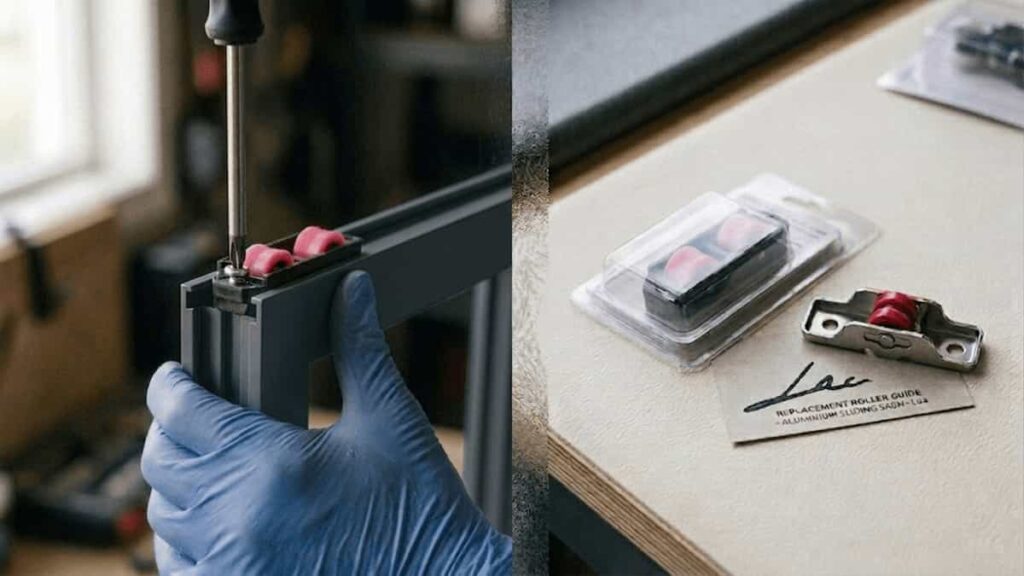
If the window still jerks or grinds, the rollers are likely damaged.
4.1 Remove the Sash
- This step requires a second person. Sliding sashes are heavy and can fall.
- Fully open the window to access the rollers.
- Look for the roller release mechanism – often a spring clip or a screw that allows the sash to be lifted out.
- Tilt the bottom of the sash upward while pushing it sideways. The rollers should clear the track.
- Lift the sash out and set it on a padded surface (carpet or blanket).
4.2 Remove the Old Rollers
- Turn the sash on its side to expose the roller assembly.
- Remove the screws holding the roller in place.
- Pull the old roller out. Note how it is oriented – you will need to install the new one exactly the same way.
4.3 Install New Rollers
- Purchase replacement rollers that match your old ones. Take an old roller to a hardware store or measure: width of the wheel, diameter of the wheel, and distance between screw holes.
- Slide the new roller into the housing and secure with screws.
- Do not overtighten – the roller should spin freely.
4.4 Reinstall the Sash
- With the help of your second person, lift the sash back into the top track first.
- Lower the bottom edge onto the bottom track, ensuring the rollers sit inside the track.
- Engage the roller release mechanism (if present).
- Test the slide. Adjust the roller height if necessary.
Step 5: Test and Maintain
- Open and close the window 10 times. The movement should be smooth and quiet.
- Clean the tracks every three months. Lubricate once a year (or more often in dusty environments).
Why You Might Need to Call a Professional
If you fall into the “Pro” category, here is what a specialist will do that you cannot safely achieve at home:
- Frame Realignment: If the Aluminium frame has warped or the tracks are no longer parallel, a professional can assess whether the frame can be adjusted or if it requires replacement.
- Damaged Track Replacement: The bottom track is integral to the Aluminium frame. If it is bent or worn, a professional may need to replace the entire frame section – a complex job.
- Roller Sourcing: For older or obscure Aluminium window brands, replacement rollers can be difficult to find. Professionals have access to suppliers and can source or fabricate the correct part.
- Safety Considerations: Large sliding windows (e.g., patio doors) can weigh 50–100 kg. Removing and handling these without proper equipment is dangerous.
- Full Window Replacement: If the frame is severely misaligned due to building settlement, the only long‑term solution may be to replace the entire Aluminium window unit.
Summary
- Identify the Problem: Gritty movement usually means debris in tracks. Jerking or grinding suggests damaged rollers. Sticking in one spot may indicate a misaligned track or frame.
- Start Simple: Clean the tracks thoroughly and lubricate with dry silicone spray. This solves most sliding problems.
- Adjust Roller Height: Small screw adjustments can raise or lower the sash to eliminate binding.
- Replace Rollers: If cleaning and lubrication fail, remove the sash and replace the rollers. This is a moderate DIY job – always use a second person.
- Call a Pro: If the frame is warped, the track is damaged, or the window is too heavy to handle safely, call a professional window installer.
Further Reading & Related Issues
To understand more about Aluminium window problems and sliding window operation, explore these articles from our archive:
- For an overview of Aluminium window problems:
Aluminium Window Problems Guide
This guide covers difficulty sliding as one of the most common complaints. - For design inspiration for sliding windows (mentioned in the brief):
Aluminium Sliding Windows Design Ideas
Explore modern styles, configurations, and finishes for sliding Aluminium windows. - For understanding Aluminium profile standards and quality:
Aluminium 6063 Alloy for Windows and Doors
Learn why 6063 Aluminium is the standard choice for extruded window profiles.
Disclaimer: This guide is for informational purposes. Aluminium Magazine is not liable for any damage resulting from DIY repairs. Sliding sashes can be heavy – always use a second person when removing the sash.
Related Articles


Featured


You May Also Like
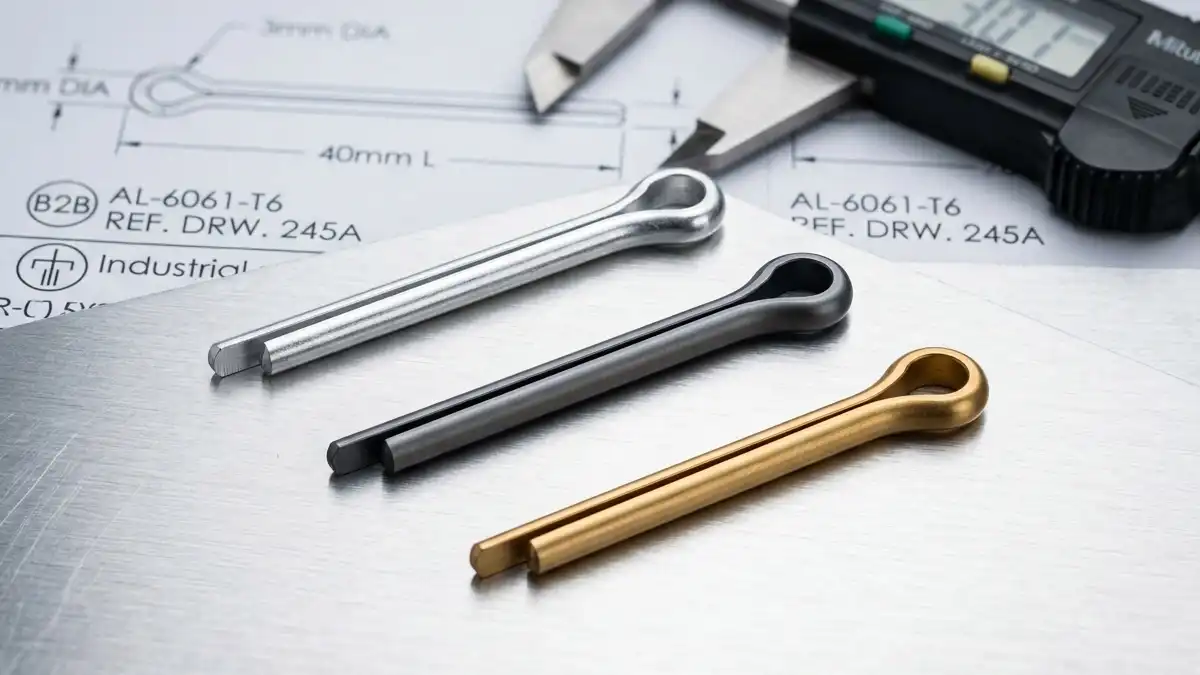
What Is an Aluminum Cotter Pin? Uses, Types and Applications

How an Aluminum Tariff Just Made Everything From Chocolates …
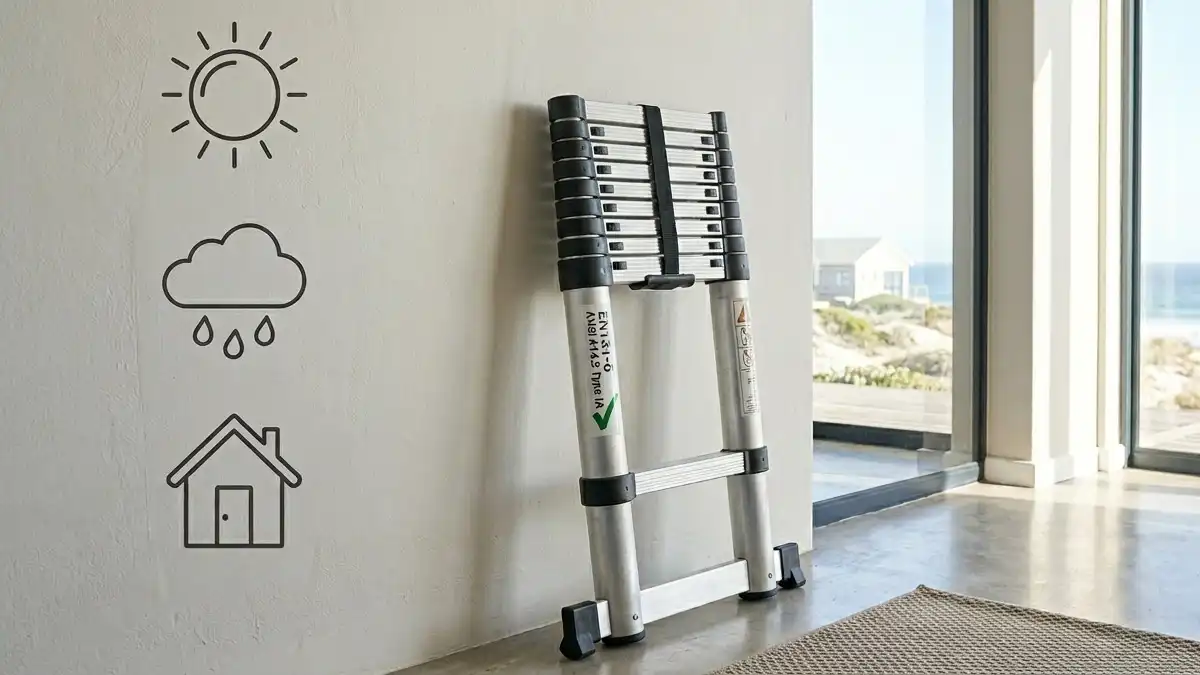
Aluminium Telescopic Ladders: Benefits, Safety & Climat…

Why Is Aluminum Used for Aircraft Parts? 5 Reasons Engineers…

Aluminium in Pharmaceuticals: Safeguarding Lives & Drivi…