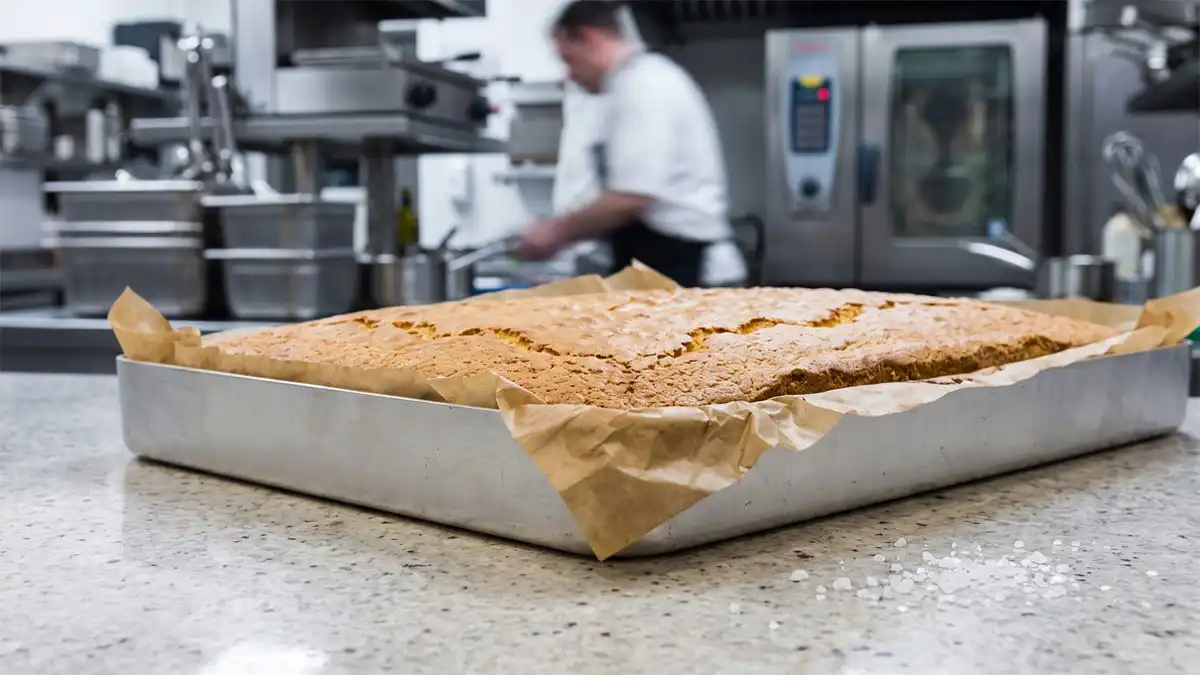
Aluminium baking trays are a staple in many kitchens due to their versatility and effectiveness. Whether you’re a professional chef or a home baker, understanding the ins and outs of these trays can greatly enhance your baking experience. In this comprehensive guide, we’ll dive into everything you need to know about aluminium baking trays, including their types, benefits, drawbacks, health considerations, cleaning tips, and usage in different ovens.
Types of Aluminium Baking Trays and Used For
TRAYS & THEIR USES
- ✓ Baking Tray (Sheet Pan) – Cookies, pastries, vegetables, roasting.
- ✓ Roasting Tray – Meat, poultry, potatoes, large roasts.
- ✓ Cake Baking Tray – Cakes, brownies, sponge cakes.
- ✓ Pizza Tray – Pizza baking, often round and shallow.
- ✓ Lasagna Tray – Deep rectangular tray for layered dishes.
- ✓ Casserole Tray – Baked casseroles, pasta bakes, gratins.
- ✓ Disposable Foil Tray – Takeaway, meal prep, parties, baking.
- ✓ Compartment Meal Tray – Portion-controlled meals and catering.
- ✓ BBQ Drip Tray – Collects grease under grills and smokers.
- ✓ Broiler Tray – High-heat broiling and roasting.
- ✓ Perforated Baking Tray – Better airflow for crispy pizza, fries, bread.
- ✓ Deep Baking Tray – Large portions, casseroles, roasting.
- ✓ Shallow Baking Tray – Cookies, biscuits, flatbreads.
- ✓ Steam Table Tray – Keeping food warm in buffets and commercial kitchens.
- ✓ Serving Tray – Carrying and presenting cooked food.
BENEFITS
- ✓ Lightweight and Durable: Easy to handle and can withstand regular kitchen use.
- ✓ Excellent Heat Conduction: Ensures even baking and reduces hot spots.
- ✓ Cost-Effective: More affordable than stainless steel or copper alternatives.
DRAWBACKS
- ✕ Reactivity: Can react with acidic foods (tomatoes/citrus), potentially altering taste.
- ✕ Warping: Thinner trays can warp when exposed to very high temperatures.
- ✕ Health Concerns: Slight risk of minor leaching with specific foods or for those with kidney issues.
Health Perspective
Aluminium in small amounts is generally considered safe, and most aluminium baking trays are treated to reduce the amount of aluminium that can transfer to food. Using non-reactive liners like parchment paper can further minimize any potential risks.
Leaching is mainly a concern when cooking acidic foods (like tomatoes or citrus) or salty foods for prolonged periods. However, under normal baking conditions, the amount of aluminium that transfers to food is generally considered low and safe by global food safety authorities.
Must Read
Is Aluminium Pan Safe for Cooking?
Mitigating Health Risks
To mitigate any health risks, avoid cooking highly acidic foods directly on aluminium trays. Additionally, ensure that your trays are of high quality and free from damage that could increase aluminium exposure.
Cleaning Aluminium Baking Trays
CLEANING & MAINTENANCE
- Regular Cleaning: Use warm water, mild detergent, and a soft sponge. Dry immediately to prevent oxidation.
- Removing Tough Stains: Make a paste of baking soda and water, let sit, then scrub gently with a non-abrasive pad.
- Avoiding Damage: Never use harsh chemicals or steel wool, which can scratch and weaken the material.
Disposable Aluminium Trays
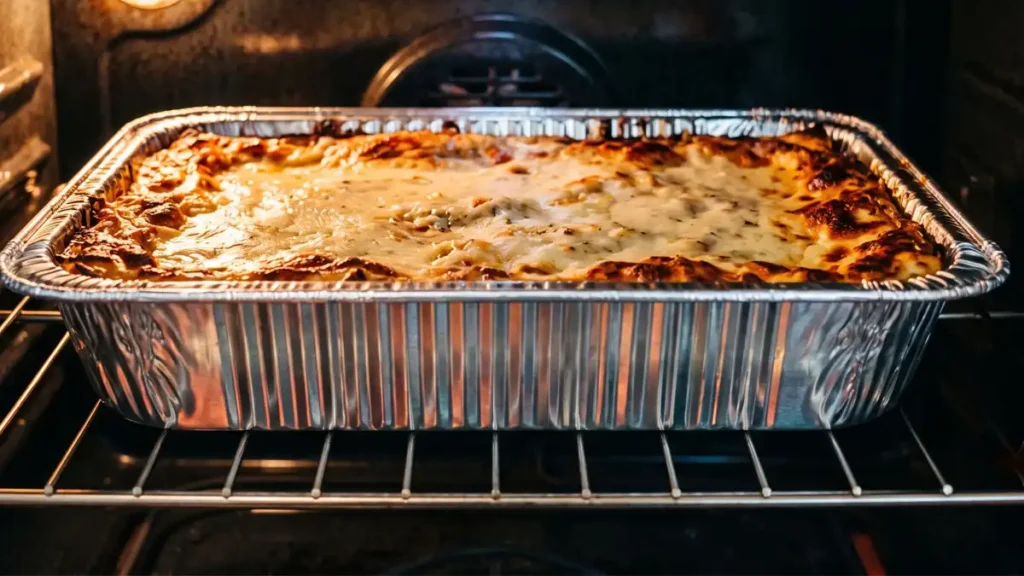
One of the main drawbacks of aluminium foil trays is their environmental impact. While aluminium is recyclable, many foil trays are discarded improperly and end up in landfills, contributing to environmental waste.
PROS
- ✓ Convenient for one-time use
- ✓ No cleaning required
- ✓ Lightweight and easy to transport
CONS AT A GLANCE
- ✕ Environmental concerns due to improper disposal
- ✕ Less sturdy than solid trays
- ✕ Can warp easily
Thickness (Gauge) of Aluminium Baking Trays
UNDERSTANDING GAUGE THICKNESS
- ✓ Thin Trays (Light Gauge): Best for delicate baking like cookies or pastries where quick, even heat is needed.
- ✓ Medium Gauge: A versatile choice suitable for most general baking and roasting.
- ✓ Heavy-Duty Trays: Ideal for high-heat roasting, broiling, and commercial kitchen use where durability is paramount.
Anodized vs. Regular Aluminium Baking Tray
| Feature | Anodized Aluminium | Regular Aluminium |
|---|---|---|
| Rust Resistance | Superior | Good |
| Scratch Resistance | Excellent | Average |
| Acidic Foods | Highly Suitable | Less Suitable |
| Durability | High | Moderate |
| Price | Higher | Lower |
How to Choose the Right Aluminium Baking Tray
- Size: Match the tray to your oven size and cooking needs.
- Thickness: Choose based on heat retention and durability requirements.
- Rimmed vs Rimless: Rimmed catches juices/drippings; rimless optimizes airflow for crisp cookies.
- Coated vs Uncoated: Non-stick coatings offer easy cleanup but wear out over time.
- Disposable vs Reusable: Weigh convenience against long-term environmental impacts.
- Home vs Commercial: Commercial variants are thicker and designed for heavy cycles.
Common Uses, Limits, & Care
- What to Cook: Cookies, brownies, pizza (perforated), roasted veggies/meats, fish, chicken, frozen foods, and sheet cakes.
- Max Temperatures: Safely supports 230–260°C (450–500°F). Check specific manual limits.
- Dishwasher Safe?: Hand washing is highly recommended. Dishwasher detergents cause dulling and gray oxidation.
Signs to Replace & Storage Tips
MAINTENANCE CHECKS
- Replace when you spot deep scratches (harbors bacteria), severe warping, flaking coatings, or cracks.
- Always dry thoroughly before storing.
- Do not stack while wet to prevent sticking or oxidation patterns.
- Place a paper towel between stacked trays to absorb latent moisture and eliminate friction scratches.
5 Common Mistakes People Make
- Cooking highly acidic foods directly on the surface.
- Using steel wool or harsh abrasive cleaning elements.
- Thermal shock (plunging a blazing hot tray into cold water sink pools).
- Overloading thin-gauge trays with hefty foods, causing bowing.
- Slicing or cutting food directly on the tray floor, harming finishes.
Aluminium vs. Other Baking Tray Materials
| Material | Heat Conductivity | Durability | Weight | Reactivity | Price |
|---|---|---|---|---|---|
| Aluminium | Excellent | Good | Light | High | Low |
| Stainless Steel | Good | Excellent | Heavy | Low | High |
| Carbon Steel | Excellent | Very High | Heavy | Low (if seasoned) | Moderate |
| Glass | Good | Fragile | Heavy | Low | Moderate |
| Ceramic | Good | Fragile | Heavy | Low | High |
| Silicone | Excellent | Flexible | Light | Low | Moderate |
Final Wrap
Aluminium baking trays are a versatile and valuable addition to any kitchen. They offer numerous benefits, including excellent heat conduction and durability, making them a favorite among bakers and cooks alike. However, it’s essential to consider potential health concerns and the environmental impact of disposable options. By understanding the pros and cons and following proper usage and cleaning guidelines, you can make the most out of your aluminium baking trays.
FAQs
Can aluminium baking trays go in the freezer?
Yes, they are generally freezer-safe and excellent for meal prep.
Can I line an aluminium tray with parchment paper?
Absolutely. It helps with cleanup and reduces the risk of food sticking or reacting with the metal.
Can aluminium baking trays rust?
No, aluminium does not rust like iron or steel. However, it can oxidize and discolor.
Why did my aluminium tray turn black?
Usually due to a chemical reaction with minerals in food or water, or from high heat. It’s generally harmless.
Why did my tray warp in the oven?
Rapid temperature changes (thermal shock) or exposure to heat exceeding the tray’s limit often cause warping.
Is anodized aluminium better?
Yes, for longevity and resistance to acidic foods, but it comes at a higher cost.
Can I bake sourdough on aluminium?
Yes, but using parchment paper is recommended to prevent sticking.
Can I put an aluminium tray under the broiler?
It depends on the thickness. Heavy-duty trays can usually handle it, but thin trays will warp.
Are aluminium trays recyclable?
Yes, they are highly recyclable. Please recycle them instead of throwing them in the trash.
Which is better: aluminium or stainless steel baking tray?
Aluminium is better for heat conduction, while stainless steel is more durable and non-reactive. Choose based on your specific cooking needs.