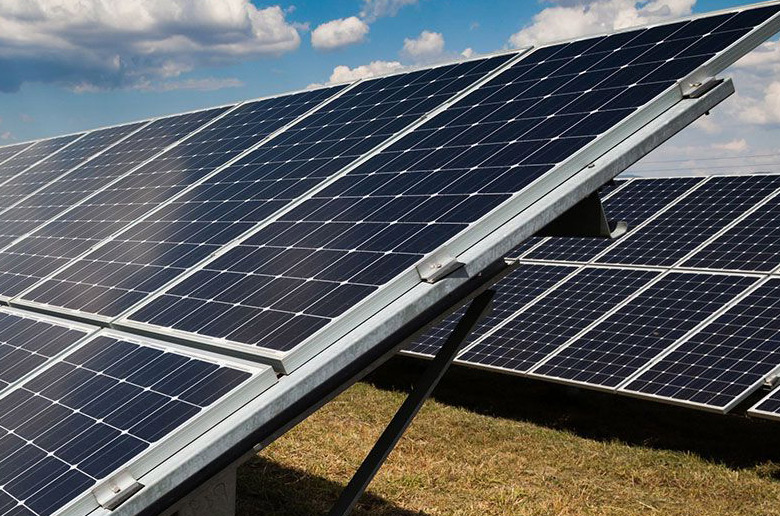
NTPC Renewable Energy Limited (NTPC REL) has invited bids for a 300 megawatt grid-connected solar project to be developed in Goa. The tender is on an Engineering, Procurement and Construction (EPC) basis and also includes land acquisition, making it one of the more comprehensive green energy projects announced this year. Bids are open until August 26, 2025, with a tender fee of ₹22,500 and an earnest money deposit requirement of ₹200 million.
The project marks another major step in NTPC’s push toward renewables, aligning with the company’s larger goal of reaching 60 gigawatts of green capacity by 2032. Recently, the Government of India also approved an investment cap of ₹20,000 crore for NTPC Green Energy, which will fast-track several such developments across the country. With solar deployment expected to rise steeply, Goa’s entry into the mix highlights a regional expansion into areas previously untapped for large-scale solar.
Beyond the renewable headlines, the aluminium sector has a direct stake in this project. Large solar parks of this scale depend heavily on aluminium components, particularly module mounting structures, cabling, and busbars. Aluminium’s lightweight, corrosion-resistant qualities make it far superior to steel in coastal environments such as Goa, where high humidity and salt-laden winds would otherwise threaten long-term durability. From module frames to thermal management systems inside inverters, aluminium is central to the efficiency and longevity of solar plants.
For India’s aluminium extrusion manufacturers, this tender could translate into substantial business opportunities. Companies supplying extrusions, profiles, and conductive components are likely to see a surge in demand as developers look for reliable, maintenance-free materials. The fact that aluminium is endlessly recyclable also adds to its appeal, ensuring the solar industry’s sustainability goals are matched by a material that supports a circular economy.
Industry experts note that if NTPC continues to roll out similar projects across different states, the aluminium industry could witness recurring, large-scale demand for its products. In many ways, the Goa project is not just about adding another 300 megawatts of clean power, but also about reinforcing aluminium’s role as the backbone of India’s renewable infrastructure.
Related Articles


Featured



You May Also Like

How Aluminium Is Powering the Future of BMW Autonomous Cars

Aluminium Flat Bar – Types, Sizes Chart

Why Anodizing Fails in Coastal Areas

From ‘My Coke Can Went to Space’ to 5-Cent Deposits — The Tr…

Velcro Mosquito Net vs Aluminium Frame Mosquito Net: Which O…