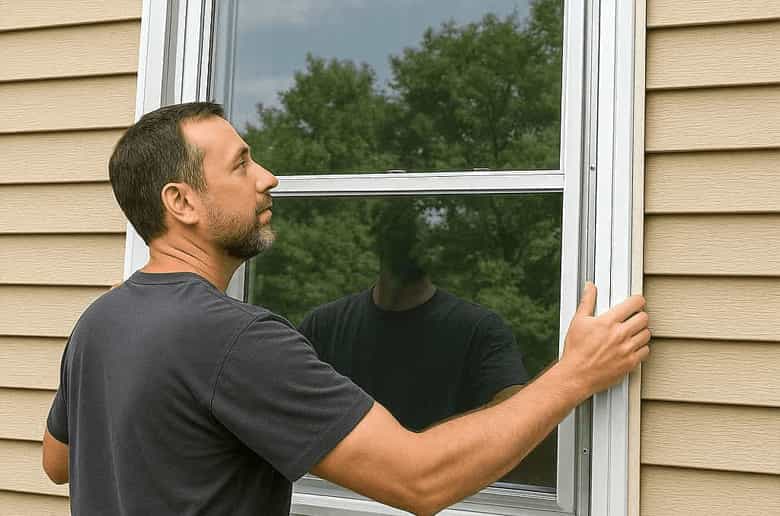
An arched aluminium window is more than a decorative accent; it’s a strategic design decision that marries aesthetics with performance. For homeowners in the United States, United Kingdom, Ireland, Canada, and Australia, choosing the right specification is crucial to ensure beauty doesn’t come at the cost of comfort, efficiency, or practicality.
This guide cuts through the generalizations to provide targeted advice, factoring in your local climate, the advanced technology of modern aluminium (aluminum) systems, and the real-world aspects of ownership.
Climate-Specific Performance: Choosing the Right System
The performance of your arched window hinges on its construction. Here’s how different aluminium systems stack up across key markets:
For Cold & Temperate Climates (UK, Ireland, Canada, Northern US states, Netherlands):
- Standard Aluminium (Non-Thermal Break): Not recommended for primary living spaces. The metal will readily conduct cold, leading to significant heat loss, interior condensation, and higher energy bills.
- Thermal Break Aluminum: The essential choice. A polyamide barrier separates the interior and exterior profiles, drastically reducing heat transfer. This creates an energy-efficient window that maintains interior comfort, prevents condensation, and meets stringent building codes in these regions. For a detailed understanding, see our guide on what are thermal break aluminium windows.
- Alu-Clad Wood (Alu-wood): The premium option. Offers the superior insulation of a timber interior frame (warm to the touch) with the ultra-durable, low-maintenance exterior of aluminum cladding. It provides the highest performance and a classic aesthetic but at a notably higher cost. Learn about its composition in our article on what is aluminium cladding timber or alu-wood.

For Warm, Humid & Mixed Climates (Australia, Southern US states, St. Helena, UAE, Philippines, Trinidad & Tobago, South Africa):
- Standard Aluminum: A viable and cost-effective option for areas with mild winters, especially in non-critical applications. Ensure it features a high-quality powder-coated finish for weather resistance.
- Thermal Break Aluminium: Strongly advised. It’s not just for keeping heat in; it also keeps excessive heat out, improving summer comfort and reducing air conditioning loads. This makes it a smart, year-round investment for homes in Queensland, Florida, or South Africa.
- Powder Coating is Key: In all coastal or humid areas, specify a robust powder-coated finish. This provides a superior, durable shield against salt spray, humidity, and UV exposure compared to standard anodizing. Understand its climate suitability in our article on good and bad climate for powder-coated windows.
Global markets like South Korea should follow the principles above based on their specific local climate—prioritizing thermal break systems for efficiency in colder regions and premium powder coats for durability.
Pros and Cons of Arched Aluminium Windows
Pros:
- Architectural Impact: Instantly elevates a façade or room with classic elegance or modern flair.
- Enhanced Natural Light: The curved top captures and distributes light uniquely, often reducing the need for artificial lighting during the day.
- Increased Property Value: A well-specified, high-quality architectural feature is a recognised asset.
- Modern Durability: Aluminum frames are strong, rust-proof, and will not warp, crack, or rot.
- Design Flexibility: Can be custom-made to any radius and combined with operational windows below (e.g., casement or awning) for ventilation. Get inspired by aluminium sliding door design ideas that complement arched styles.
Cons:
- Higher Cost: Custom fabrication and complex glazing lead to a higher price than standard rectangular units.
- Ventilation Limitations: The arched section is typically fixed. Ventilation must be provided by the operable sections below or adjacent windows.
- Complex Window Treatments: Covering the curved area requires custom-made shades, blinds, or strategically placed drapery.
- Potential Glare: Strategic placement or the use of tinted or Low-E glass is needed to manage direct sunlight.
The Reality of Maintenance & Cleaning
Maintenance is straightforward but requires a practical plan based on your window’s location. The frame itself is low-maintenance, especially with a powder-coated finish. The real task is cleaning the glass.
For low-height arched windows (ground or first floor):
Cleaning is simple. You’ll need a stable aluminium step ladder, a squeegee, a mild soap solution, and a soft cloth. The process is the same as cleaning any standard window once you can reach it safely.
For high-height or hard-to-reach arched windows:
This is the primary practical challenge. Plan ahead:
- Invest in the right equipment: A secure, extendable aluminium ladder is essential. For multi-story homes, professional-grade equipment or hiring a service with experience in high windows is the safest choice.
- Consider future access during installation. Is there a roof terrace, balcony, or permanent safe access point?
- Embrace low-maintenance materials: This is where your investment in high-quality powder-coated aluminum pays off. It resists fading, chalking, and corrosion for decades with minimal care. For a comprehensive guide, read our detailed article on how to maintain aluminium windows.
Bottom Line: The cleaning effort is about glass access, not frame upkeep. Factor in the cost and method of safe access before finalising the design and placement of a high-level arched window.
Ready to Specify Your Arched Window?
Making the right choice requires matching the window’s design to your climate and practical needs.
- For inspiration on integrating arched windows with other modern elements, explore these aluminium sliding door design ideas.
- Understanding glass is critical to performance. Learn about the options in our guide to types of glass for aluminium doors and windows.
- To understand the full system behind high-performance units, read about what thermal break aluminium windows are and how they work.
- Ensure your investment lasts with our practical guide on how to maintain aluminium windows.
- For optimal ventilation paired with style, understand the benefits and operation of aluminium awning windows.
Related Articles

Featured

You May Also Like

Aluminium 4043 (Aluminum 4043)

Aluminum Foil Food Storage: Myths & Truths You Should Kn…

You’ll Regret Skipping These 7 Aluminium Window Hacks

From ‘My Coke Can Went to Space’ to 5-Cent Deposits — The Tr…
Best Aluminum Storm Doors for Front Entrances