The Importance of Energy-Efficient Fenestration
The choice of windows and doors is a critical decision in modern construction and renovation. Beyond aesthetics, they play a vital role in a building’s energy efficiency, comfort, and sustainability. As building standards become more stringent, understanding key energy-efficient terms and technologies is essential. This article delves into the core concepts, with a special focus on the thermal break, a crucial component for high-performance aluminium frames.
What is a Thermal Break?

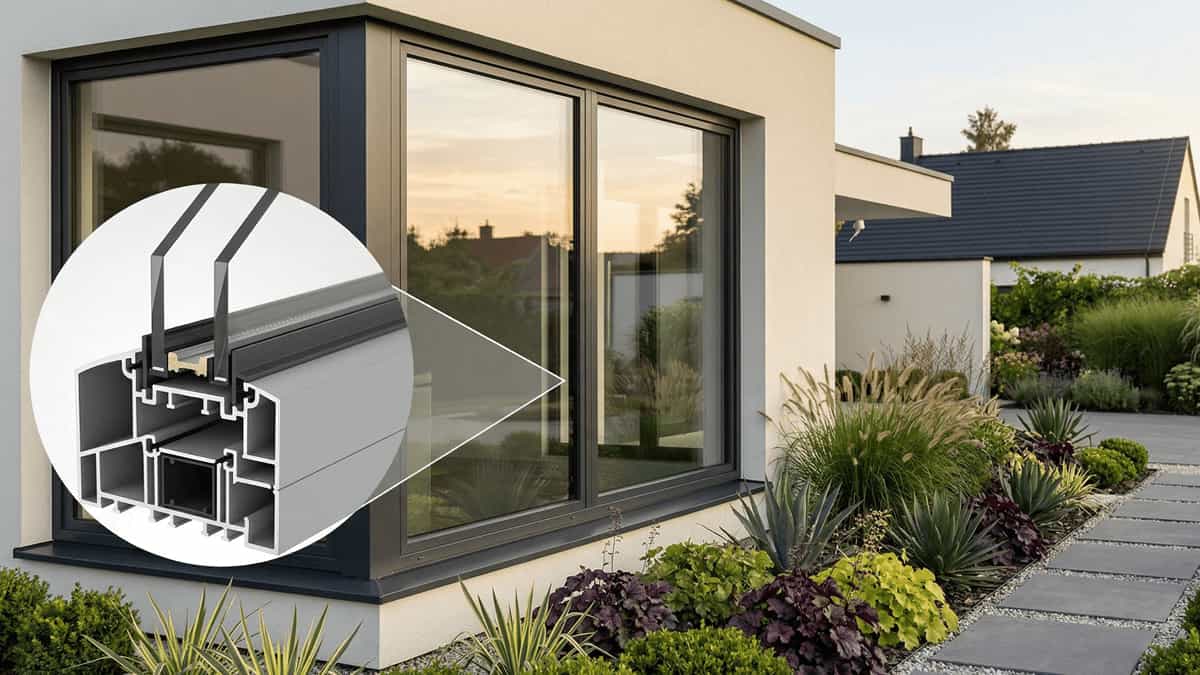
A thermal break is a non-conductive material integrated into the frame of a window or door. Aluminum is a strong, lightweight, and durable material, but it’s also highly conductive, meaning it transfers heat very easily. This can lead to significant heat loss in cold weather and heat gain in warm weather.
The thermal break, typically a polyamide strip or a specialized resin, acts as a barrier, physically separating the inner part of the aluminum frame from the outer part. This separation dramatically reduces the transfer of heat, a process known as thermal bridging.
Core Benefits of Thermally Broken Profiles
- Stable Indoor Temperatures: Dramatically lowers structural thermal bridging, allowing HVAC systems to maintain room climates with significantly less energy consumption.
- Elimination of Condensation: By separating cold exterior surfaces from warm interior air, it prevents moisture buildup, dampness, and mold growth on aluminum profiles.
- Enhanced Structural Strength: High-quality glass-reinforced polyamide strips expand and contract at rates similar to aluminum, ensuring structural integrity under high wind loads.
Key Components of an Energy-Efficient Window System
Achieving total architectural efficiency requires a balanced, systematic approach combining advanced framing with high-performance glazing units:
1. Insulated Glass Units (IGUs)

IGUs, also known as double-glazed units, consist of two or more panes of glass separated by a sealed cavity filled with air or an inert gas like argon. This cavity provides excellent insulation and sound reduction. The thickness of the cavity (e.g., 12mm or 15mm) is a critical factor in the unit’s thermal performance.
2. Low-E (Low-Emissivity) Glass
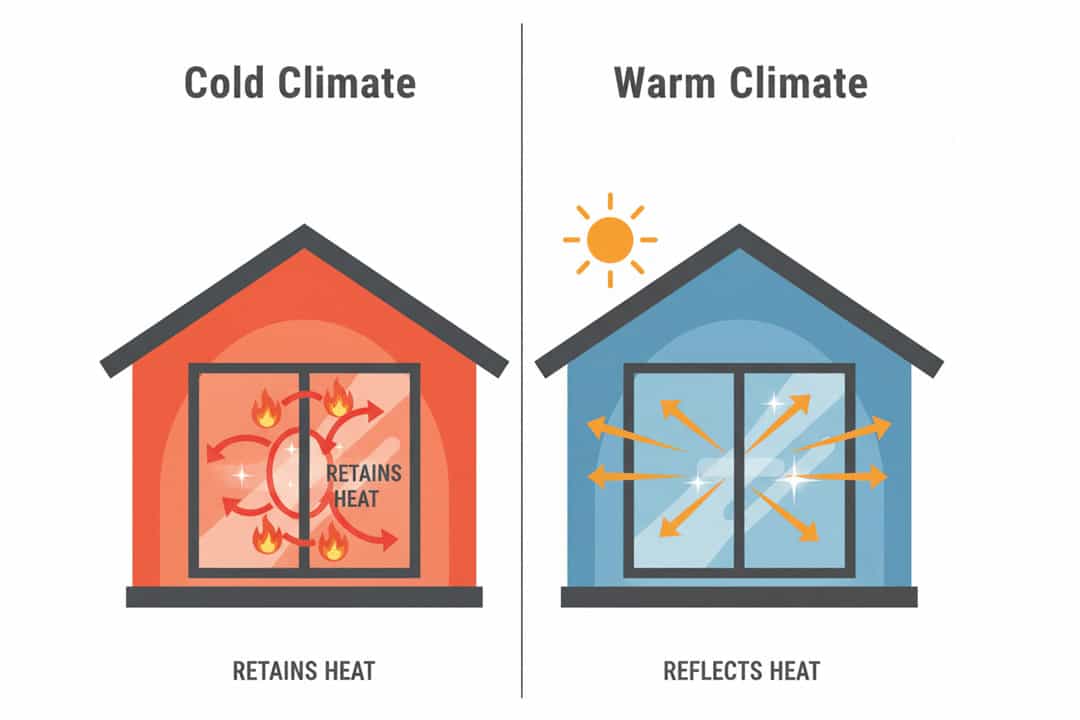
A Low-E coating is a microscopic, transparent metallic layer applied to a glass surface. It works by reflecting radiant heat. In cold climates, it reflects indoor heat back into the room, while in warm climates, it reflects the sun’s shortwave heat away from the building, keeping the interior cooler.
3. Solar Control Glass

This type of glass is specifically designed to reduce heat gain from direct solar radiation. It may incorporate a body tint, a reflective coating, or a special interlayer to minimize the amount of heat entering a building, making it ideal for sunny climates.
Understanding Performance Metrics
When engineering fenestration systems, navigating data metrics ensures the frame style aligns properly with regional climatic stresses:
METRICS
- ✓ U-Value: Measures the precise rate of non-solar heat transfer. A lower U-value means superior structural insulation, helping to lock inside temperatures in place.
- ✓ SHGC: Measures solar radiation entry. Lower coefficients are highly desirable in hot climates to drastically limit interior solar heat gain.
PITFALLS
- ✕ Misinterpreting metrics can cause over-specification, leading to high project costs without corresponding efficiency improvements.
- ✕ Relying on glass-only data while ignoring the frame’s conductive profile will skew your real-world insulation metrics.
Optimizing Your Home’s Performance
Beyond the window’s technical specifications, its placement and integration with the building’s design are crucial for maximum efficiency.
Strategic Architectural Implementation
- ✓ Orientation & Shading: Aligning window clusters to match local solar paths blocks intense summer angles while allowing low-angle winter rays to provide free, natural warmth.
- ✓ Passive Solar Strategies: Leveraging south-facing glass expanses captures passive solar energy during cold seasons, while cross-ventilation placements maximize natural airflow during warmer months.
- ✓ Awnings and Overhangs: Adding simple, structural external projections shades high-performance fenestration arrays from intense mid-day heat loads.
Energy-Efficient Fenestration FAQs
Does a thermal break weaken the structural performance of an aluminum window?
No. Modern thermal breaks are built with high-density, glass-reinforced polyamide strips that are mechanically crimped into the aluminum profiles. They offer equivalent structural stability and can safely support heavy double- and triple-glazed insulated units under high wind loads.
Can I add a thermal break to my existing aluminum frames?
No. A thermal break must be integrated during the extrusion and manufacturing phase of the aluminum profiles. It cannot be retrofitted into standard, solid-metal aluminum frames on-site.
What is the typical lifespan of a polyamide thermal break?
Polyamide thermal breaks are engineered to last the full lifecycle of the window system—frequently exceeding 30 to 40 years without degrading, cracking, or losing their non-conductive insulation properties.
By understanding these concepts, from the fundamental role of the thermal break to the strategic use of glazing and orientation, you can make informed decisions that lead to a more comfortable, energy-efficient, and sustainable home.
Related Articles

Featured


You May Also Like

Aluminium Christmas Trees 2025: Stylish, Eco-Friendly Hits A…
Are Hung Windows More Efficient Than Casement Windows?

Thermal Break in Standard Aluminium Windows

Why Aluminium Awning Windows Are a Game-Changer for Ventilat…

Aluminum 6061-T1 vs. 6063-T5/T6