
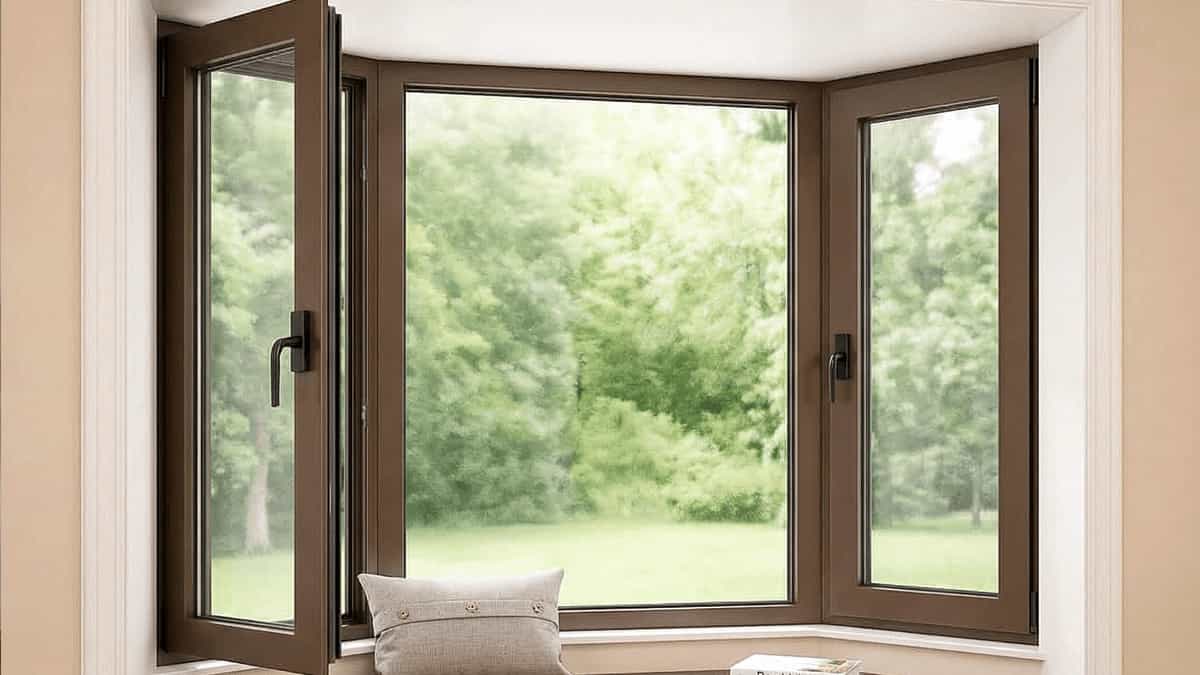
Do you battle icy drafts in winter, condensation-fogged windows, or soaring energy bills? Your windows might be the hidden culprit. Traditional aluminum frames act like highways for heat transfer – but there’s a smarter solution. Thermal break aluminium windows eliminate these problems while boosting comfort and slashing energy costs.
In this guide, you’ll discover:
✓ What makes these windows unique (and why they work)
✓ How they cut energy bills by 20-40%+
✓ Why condensation and cold spots vanish
✓ Key considerations before buying
✓ Who benefits most from this upgrade
(Spoiler: If you value comfort, savings, and durability, these windows are a game-changer.)
I. What Exactly Are Energy Efficient Aluminum Windows?
Simple Definition:
Aluminum windows with a built-in insulating barrier (thermal break) that blocks heat transfer through the frame.
The Problem Thermal Breaks Solve:
- Aluminium’s Hidden Flaw: It’s a superb heat conductor.
- Thermal Bridging: In traditional windows, heat flows unchecked through the metal frame:
- 🥶 Winter: Indoor warmth escapes outside.
- 🔥 Summer: Outdoor heat invades your home.
- 💧 Condensation: Cold frames cause moisture to “sweat.”
The Brilliant Solution:
- A non-conductive barrier (usually polyamide plastic) is inserted inside the aluminum frame.
- How it works: Physically separates the inner and outer metal, creating a “roadblock” for heat flow.
Visualize It:
Outer Aluminium | THERMAL BREAK BARRIER | Inner Aluminum
(Heat can’t easily cross the barrier!)
II. How They Work: The Science of Comfort
Thermal breaks target conduction – heat transfer through solid materials. Here’s the magic:
- Interrupting Heat Flow:
- The polyamide barrier is 100x less conductive than aluminum.
- Heat struggles to cross this insulating gap.
- Result? Game-Changing Benefits:
- ❄️ Winter: Inner frame stays warmer → Less heat loss.
- ☀️ Summer: Inner frame stays cooler → Less heat gain.
- 💧 No More Condensation: Inner frame temperature stays above the “dew point” → Moisture doesn’t form.
- 🔇 Bonus: Reduced noise penetration (the break dampens sound vibrations).
III. Why Upgrade?
6 Powerful Benefits
| Benefit | Key Impact |
|---|---|
| 💰 Energy Savings | Cut heating/cooling costs by 20-40%+ (Lower U-values = less wasted energy) |
| ✨ All-Season Comfort | Eliminate drafts, cold spots & overheated rooms |
| 🚫 Condensation Control | Stop mold, protect walls & window sills |
| 🛡️ Extreme Durability | 30+ year lifespan. Resists corrosion, warping & weather |
| 💎 Low Maintenance | No painting/sealing. Just wipe clean |
| 📐 Sleek Design | Slimmer frames, larger glass areas, modern finishes |
IV. Key Considerations Before Buying
⚠️ Upfront Cost vs. Long-Term Value
- Higher initial investment than basic windows.
- BUT pays for itself via energy savings + 30-year lifespan.
🔧 Professional Installation is CRITICAL
- Poor installation ruins performance.
- Always hire accredited installers.
🔍 Glass Matters Just as Much as the Frame
- Pair thermal breaks with double/triple glazing + low-E coatings.
- Ask for the whole-window U-value (target <1.4 W/m²K).
🌦️ Climate Considerations
- Cold climates: Prioritize heat retention (triple glazing).
- Hot climates: Focus on solar control coatings.
💡 Pro Tip:
“Choose suppliers offering 10-20 year warranties covering the thermal break, frame, AND glazing.”
V. Are These Windows Right for YOU?
Choose thermal break aluminum if you:
- ❌ Hate high energy bills and drafts
- 💧 Battle window condensation/mold
- 🏡 Value comfort, durability & modern design
- 📈 View windows as a long-term investment
Maybe reconsider if:
- Your budget is extremely tight and you plan to move soon.
VI. FAQs: Quick & Clear Answers
Q: Are they worth the extra cost?
A: YES – Energy savings + durability + comfort add massive long-term value.
Q: How do they compare to uPVC?
A: Aluminum = stronger, slimmer, more durable & recyclable. uPVC = cheaper upfront.
Q: Can I add a thermal break to existing windows?
A: No – It’s built into the frame during manufacturing.
Q: What maintenance is needed?
A: Occasional cleaning with soapy water. No painting!
VII. Conclusion: Your Next Step
Thermal break aluminum windows solve the core flaws of traditional frames: heat loss, condensation, and energy waste. They deliver:
- Lower bills ✓
- All-year comfort ✓
- Worry-free durability ✓
Ready to upgrade?
→ Consult a specialist for a tailored quote & glass recommendations.
→ Compare whole-window U-values – not just frame specs.
Invest in comfort that pays for itself. Your future self (and wallet) will thank you.
Related Articles

Featured



You May Also Like
Aluminium Cylinders: Why Engineering is Moving Away from Iro…

Aluminium 3004: The Can-Do Alloy

Aluminium Outdoor Umbrella Business: The Complete Guide

Aluminum Fence for Any US Climate Durable and Low Maintenanc…

Aluminium and Aluminium Business & Things
