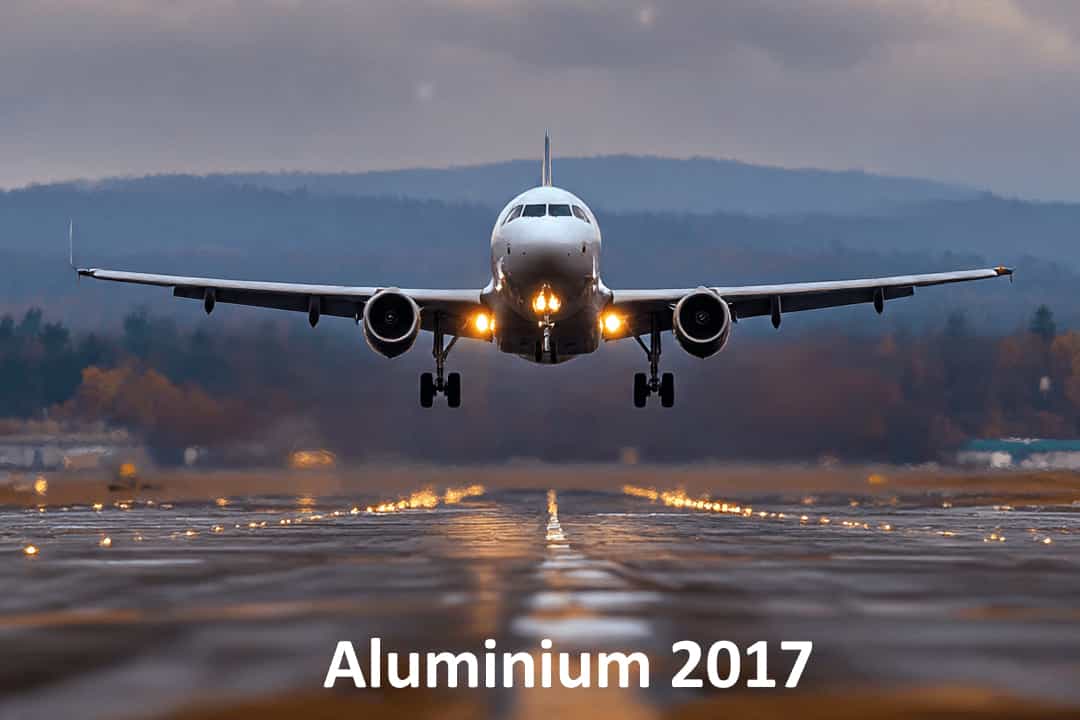
The High-Strength Workhorse for Precision Machining
While pure aluminium alloys like the 1000 series excel in formability and conductivity, the Aluminum 2017 alloy stands out as a premier choice for applications demanding high strength, excellent machinability, and good durability. As part of the aluminum-copper (2xxx) series, 2017 is a heat-treatable alloy that combines lightweight properties with mechanical performance comparable to many steels. It is widely recognized in aerospace, military, and precision engineering sectors for its reliability and versatility.
Composition and Metallurgy
Aluminum 2017 is primarily alloyed with copper (Cu) as its main strengthening element, along with smaller additions of magnesium (Mg), manganese (Mn), and silicon (Si). A typical composition is:
- Copper (Cu): 3.5–4.5%
- Magnesium (Mg): 0.4–1.0%
- Manganese (Mn): 0.4–1.0%
- Silicon (Si): 0.2–0.8%
- Aluminum (Al): Balance
The presence of copper enables the alloy to be precipitation-hardened (age-hardened), significantly enhancing its strength after heat treatment. This makes 2017 significantly stronger than non-heat-treatable alloys like those in the 1000 or 3000 series.
Key Properties
- High Strength-to-Weight Ratio
- In the T4 temper (solution heat-treated and naturally aged), 2017 offers tensile strengths around 425 MPa (62,000 psi), making it ideal for structural components where weight savings are critical.
- Excellent Machinability
- Aluminum 2017 is known for its superior machinability, often rated “A” (the highest) in machinability charts. It produces small, broken chips and allows for high-speed machining, reducing tool wear and improving surface finish.
- Good Fatigue Resistance
- The alloy performs well under cyclic loading, making it suitable for parts subject to vibration or repeated stress, such as aircraft fittings and automotive components.
- Moderate Corrosion Resistance
- While not as corrosion-resistant as pure aluminum or magnesium-silicon alloys (e.g., 6061), 2017 offers adequate resistance in many environments. It is often used with protective coatings or anodizing for enhanced durability.
- Heat Treatable
- 2017 responds well to heat treatment processes such as:
- T4: Solution heat treatment and natural aging
- T451: Stress-relieved after solution heat treatment
Common Tempers and Their Applications
- 2017-O (Annealed):
Soft and ductile, used for forming operations before heat treatment. - 2017-T4:
The most commonly used temper. Offers a good balance of strength and machinability. Ideal for screws, fasteners, and structural parts. - 2017-T451:
Stress-relieved to improve dimensional stability for precision-machined components.
Applications Across Industries
- Aerospace and Defense
- Used in aircraft structures, fittings, and components where high strength and lightweight properties are essential.
- Related: Why is Aluminum Used for Aircraft Bodies?
- Automotive and Transportation
- Suitable for high-stress parts like pistons, cylinders, and gearbox components.
- Related: Aluminium Extrusion in the EV Revolution
- Machinery and Tools
- Widely used for screws, bolts, nuts, and machined parts requiring tight tolerances.
- Related: Aluminum Bar Types, Uses, and Manufacturing Processes
- Military and Firearms
- Applied in weapon mounts, military vehicle components, and other high-integrity assemblies.
Comparison with Other Alloys
- Vs. 2024:
2017 offers better machinability, while 2024 provides higher strength and better fatigue resistance. - Vs. 6061:
6061 has better corrosion resistance and weldability, but 2017 excels in machinability and strength. - Vs. 7075:
7075 is stronger but less machinable and more expensive. 2017 offers a cost-effective alternative for high-volume machined parts.
Fabrication and Handling Tips
- Machining:
Use sharp, high-speed steel or carbide tools. Lubrication is recommended for optimal finish. - Welding:
2017 is generally not recommended for arc welding due to hot cracking. Use riveting or fastening instead. - Corrosion Protection:
Apply anodizing or paint to improve corrosion resistance in harsh environments.
Related: Powder Coating vs. Anodizing
Standards and Specifications
Aluminum 2017 is covered under several international standards:
- ASTM: B211 (Bar, Rod, Wire), B316 (Rivets)
- EN: EN 573-3 (Designation)
- ISO: ISO 6361 (Wrought Products)
- JIS: A2017
Sustainability and Recycling
Like all aluminum alloys, 2017 is fully recyclable. Recycling saves up to 95% of the energy required for primary production. The alloy’s long service life and recyclability contribute to its use in sustainable design and manufacturing.
Related: Aluminum Can Recycling Process
Aluminium 2017 remains a cornerstone alloy for high-strength, precision-machined components across aerospace, automotive, and industrial sectors. Its exceptional machinability, combined with a favorable strength-to-weight ratio, ensures its continued relevance in advanced engineering applications. While it may not possess the corrosion resistance of other aluminum families, its performance in controlled or protected environments is unmatched. As industries continue to prioritize lightweighting and efficiency, 2017 will continue to be a trusted material for demanding applications.
For more insights into aluminum alloys and their applications, explore our detailed guides:
Related Articles

Featured

You May Also Like
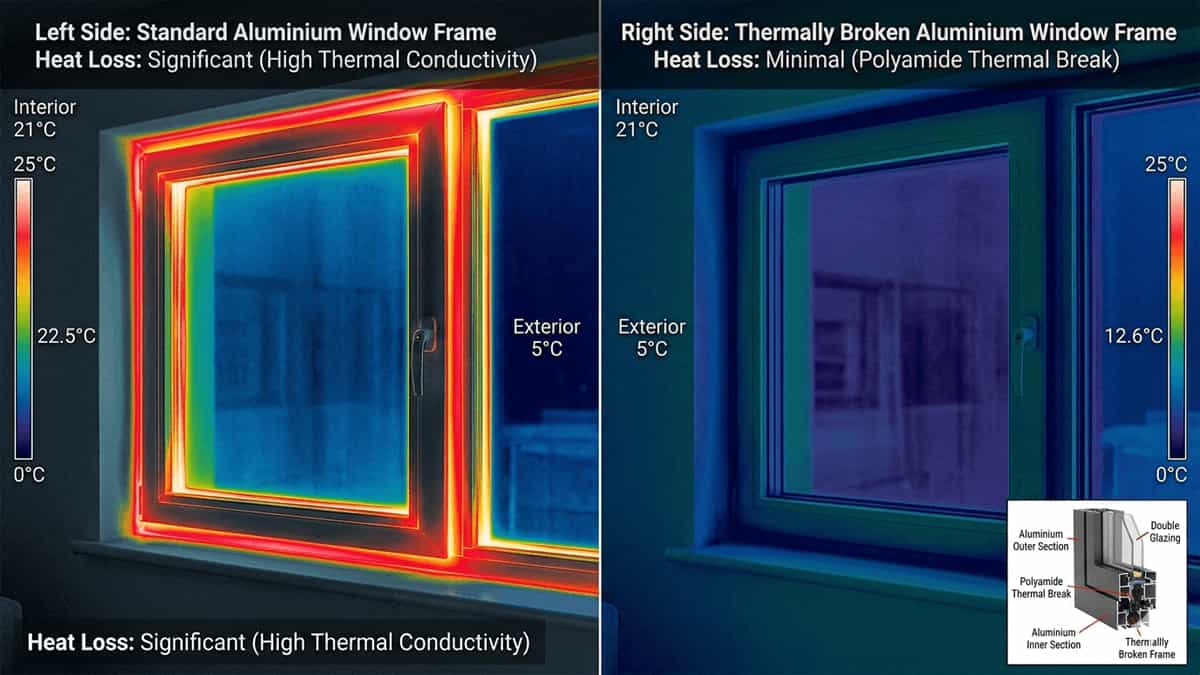
Aluminium Windows Problem: Poor Thermal Insulation (High Hea…

Aluminium Flat Bar – Types, Sizes Chart
Did You Know Why Aluminium Is Used for Cylinder Heads?

Copper vs Aluminum Wiring in Homes (2025): Which is Safer an…
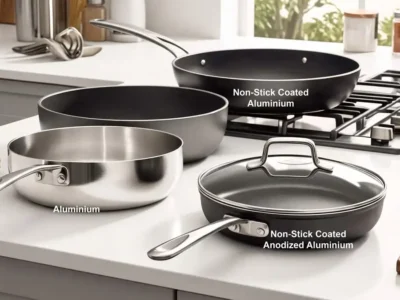
Aluminum Pan Finishes: Non-Coated vs. Non-Stick vs. Anodized