Efficiency - Aluminium Magazine

Thermal Break Windows vs Double Glazing: Why You Need Both for Performance

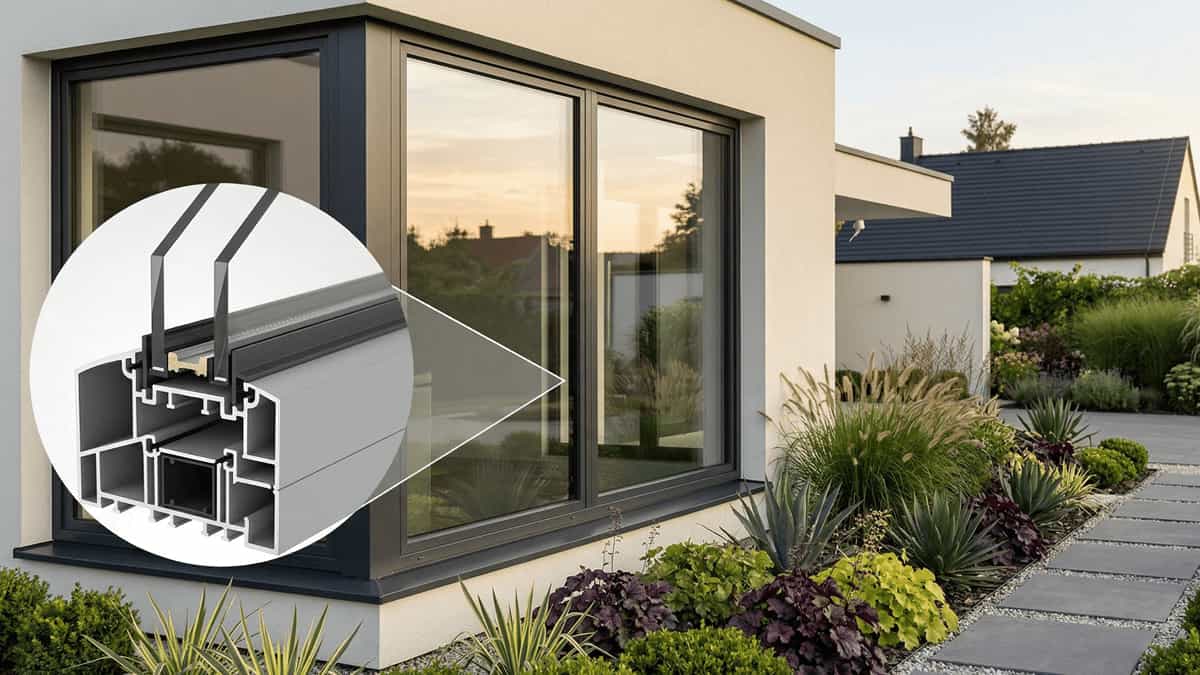
Modern Thermal-Break Double Glazed Black Aluminium Window

Confused About Thermal Break Windows & Double Glazing Aluminium – synonymous with strength, sleek aesthetics, and long-term durability – is the material of choice for architects and modern homeowners. But while aluminum brings structural and design perks, its high thermal conductivity creates a serious challenge for energy efficiency. This is where the combination of thermal … Read more

dB vs STC: What Actually Blocks Window Noise and Makes Your Home Soundproof?

A professional technician using a digital decibel meter to measure the sound insulation performance of a closed window against external street traffic noise.

What the dB Ratings Really Mean For homeowners in bustling cities, near busy streets, or simply seeking a peaceful sanctuary, the sound insulation performance of doors and windows is critical. But terms like “dB,” “STC rating,” and “sound transmission” can be confusing. This guide cuts through the noise to explain what these ratings truly mean … Read more

Thermal Break Material for Aluminium Windows

thermal break material for aluminium windows

Thermal breaks are used in aluminum windows to reduce heat transfer between the interior and exterior of a building. This helps improve the energy efficiency of windows by minimizing the conduction of heat through the metal frame. There are several materials commonly used as thermal breaks in aluminum windows:  Polyurethane:  Polyamide Strips (Nylon):  Fiberglass:  Expanded … Read more

What Is a Thermal Break Strip in Aluminum Windows?

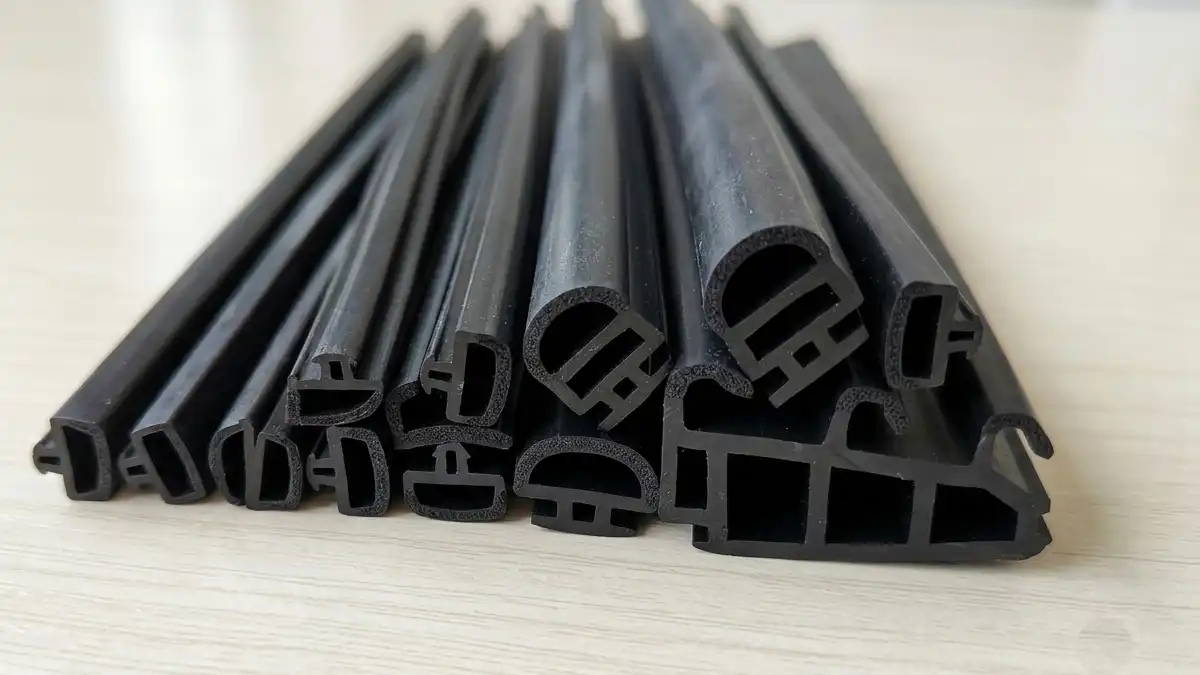
A close-up view of various black EPDM rubber gaskets and insulating thermal break strips arranged side-by-side on a light-colored wooden table for energy-efficient aluminium window frames.

Thermal break strips are small components, but they play a major role in the performance of modern aluminium windows and doors. Aluminum is strong, lightweight, and highly durable. However, it is also an excellent conductor of heat. Without a thermal break, heat can easily travel through the aluminium frame from outside to inside—and vice versa—reducing … Read more

Energy Efficiency in Windows: How Thermal Break Aluminium Cuts Heat Loss & Bills

Modern aluminium window with sunlight showing energy efficiency and reduced heat loss in home

In regions with extreme climates—whether scorching summers or freezing winters—windows play a decisive role in a building’s energy performance. Standard aluminum windows are strong and sleek, but their high thermal conductivity can turn them into a weak link, allowing heat to escape in winter and enter in summer. Thermal break aluminium windows solve this problem. … Read more

SHGC and U-Value of Windows and Doors for Optimal Energy Efficiency

Woman standing near glass window with sunlight showing energy efficiency through SHGC and U-Value

The Solar Heat Gain Coefficient (SHGC) and U-Factor(U-Value) are two important metrics used to assess the performance of windows in terms of energy efficiency. Let’s look at each of them: Solar Heat Gain Coefficient (SHGC) The SHGC is the fraction of solar radiation that enters a window and is released into the home as heat. … Read more

Kelvin (K) Value in Windows: What It Means (and What It Doesn’t)

Woman opening beige curtains near glass window with natural sunlight showing light temperature in modern home

When you’re selecting high‑performance doors and windows, you’ll often come across the term Kelvin (K) . But there’s a common misunderstanding: Kelvin is frequently mistaken for a measure of thermal performance. In reality, it serves a completely different purpose. Let’s clear up the confusion—and then focus on the numbers that actually matter for energy efficiency, … Read more

Mastering Window Sealing: Boost Energy Efficiency and Prevent Damage

A professional applying a continuous bead of white silicone sealant to the edge of an aluminum window frame to prevent air leaks and water damage.

Windows are more than just views; they are critical to your building’s thermal performance. Properly sealing or caulking your windows is one of the most cost-effective ways to lower energy bills and protect your property from structural deterioration. Why Window Sealing is Non-Negotiable Unsealed windows are a primary cause of air leaks in a home. … Read more

Water Tightness Classes for Doors and Windows

Technical illustration of a water-tight aluminum window, showing a cross-section with sealing gaskets and drainage to prevent water leakage.

What is Water Tightness? Water tightness is a measure of a window or door’s ability to prevent water penetration when subjected to specific levels of wind-driven rain. It’s not about submerging the product in water; it’s about its performance under simulated storm conditions. This performance is closely related to another key metric: wind resistance class. … Read more

Understanding Air Permeability Class for Energy-Efficient Aluminium Doors & Windows

An infographic comparing two scenarios: a cold person shivering next to a leaky window with visible air drafts, contrasted with a cozy person holding a warm mug next to a modern, airtight window with no drafts.

In the pursuit of building smarter, more sustainable homes and commercial spaces, every detail counts. While features like double glazing and thermal breaks often steal the spotlight, the air permeability class of your doors and windows is a silent yet critical factor determining your building’s energy efficiency, comfort, and long-term cost savings. This article demystifies … Read more

Wind Resistance Class in Doors and Windows

High-quality image of a modern aluminum window and frame during a storm, illustrating strong wind resistance and durability.

Don’t Let the Wind Rattle You: Understanding Wind Resistance Class in Aluminium Doors & Windows When choosing new aluminium doors and windows, it’s easy to focus on style, colour, or price. But a crucial, often overlooked factor that directly affects performance is how your aluminium casement windows handle wind pressure—and even on sliding windows too. … Read more

Thermal Insulation for Doors & Windows: Ultimate Guide

Energy Efficient Doors Windows Image

What is Thermal Insulation in Relation to Doors and Windows?  Thermal insulation plays a crucial role in maintaining a comfortable and energy-efficient environment within buildings. When it comes to doors and windows, thermal insulation refers to their ability to prevent the transfer of heat between the interior and exterior spaces of a structure. This article … Read more

Energy Efficient Thermal-Break Aluminium Windows: The Ultimate Guide to Comfort & Savings

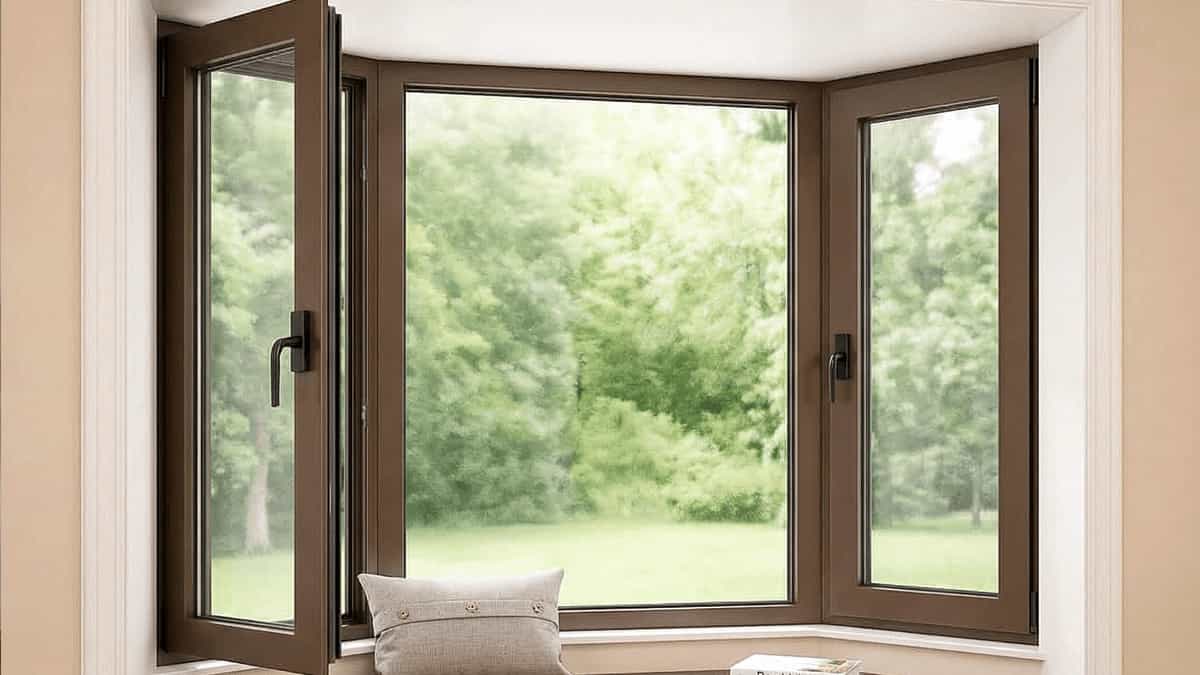
Open thermal break aluminium window showing natural ventilation and energy efficient home design

Do you battle icy drafts in winter, condensation-fogged windows, or soaring energy bills? Your windows might be the hidden culprit. Traditional aluminum frames act like highways for heat transfer – but there’s a smarter solution. Thermal break aluminium windows eliminate these problems while boosting comfort and slashing energy costs. In this guide, you’ll discover:âś“ What … Read more