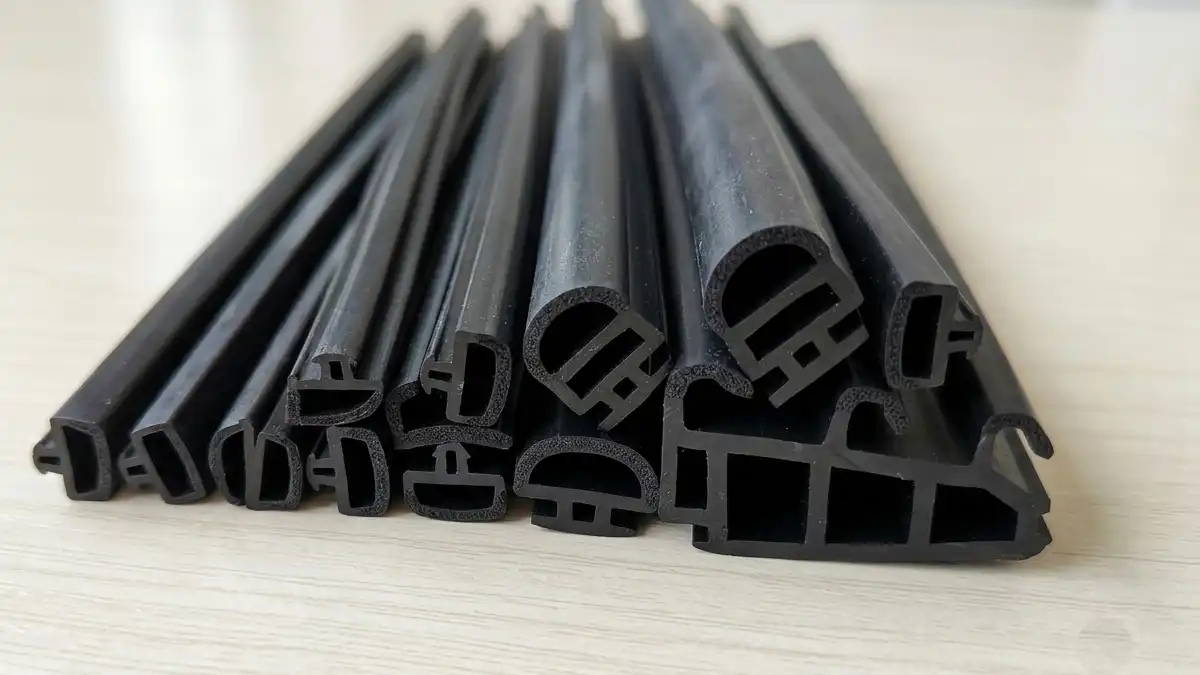
Thermal break strips are small components, but they play a major role in the performance of modern aluminium windows and doors.
Aluminum is strong, lightweight, and highly durable. However, it is also an excellent conductor of heat. Without a thermal break, heat can easily travel through the aluminium frame from outside to inside—and vice versa—reducing energy efficiency and indoor comfort.
A thermal break strip solves this problem by creating an insulating barrier within the frame, helping modern aluminum windows meet higher standards of thermal performance.
What Is a Thermal Break Strip?
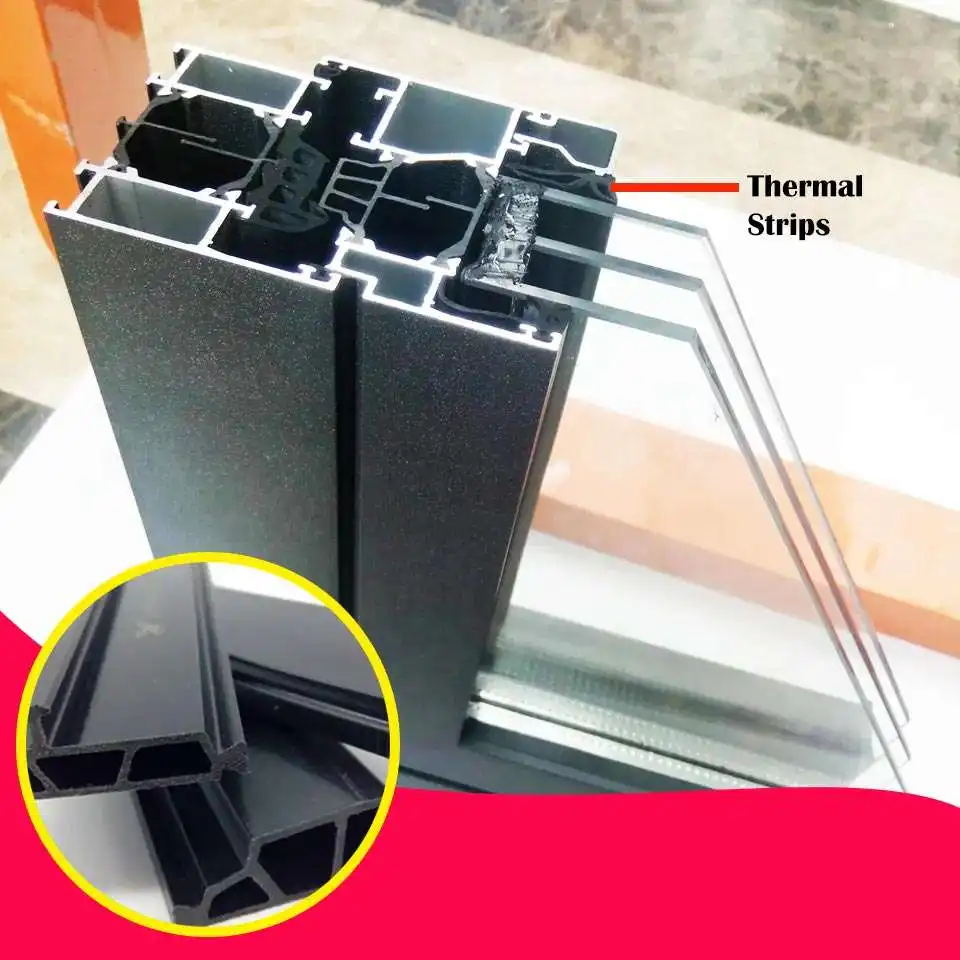
A thermal break strip is a non-metallic insulating material inserted between the inner and outer aluminum sections of a window or door frame.
Its primary purpose is to interrupt the flow of heat through the metal frame, reducing thermal bridging and improving insulation.
Instead of a single continuous aluminium profile conducting heat freely, the frame is split into two sections connected by the insulating strip.
In simple terms:
Outside Aluminium → Thermal Break Strip → Inside Aluminium
This separation significantly reduces heat transfer while maintaining the structural strength of the frame.
For a broader overview of how this technology fits into the whole window system, see our guide on what are thermal break aluminium windows.
Why Are Thermal Break Strips Needed?
Aluminium frames without thermal breaks can quickly transfer heat.
During summer, outdoor heat enters the building more easily, making cooling systems work harder. During winter, indoor heat escapes through the frame, increasing heating costs.
Thermal break strips help solve these issues by:
- Reducing heat transfer through the frame
- Improving the window’s insulation performance
- Lowering cooling and heating energy consumption
- Minimizing condensation on the interior frame surface
- Improving indoor comfort throughout the year
Because of these benefits, thermal break technology has become increasingly common in residential and commercial buildings where energy efficiency is a priority.
Where Is the Thermal Break Strip Located?
In thermal break aluminium windows, the strip is positioned between the interior and exterior aluminium profiles.
The two aluminium sections are mechanically joined to the insulating strip during manufacturing, creating a strong but thermally separated frame.
The glass unit itself remains in the center, while the thermal break reduces the heat flow that would otherwise travel through the metal frame.
This design is widely used in:
- Casement windows
- Sliding windows
- Awning windows
- Fixed windows
- Sliding doors
- Curtain wall systems
What Materials Are Thermal Break Strips Made Of?
Most thermal break strips are manufactured from materials with very low thermal conductivity.
Polyamide (PA66 GF25)
Polyamide reinforced with glass fibers is the most common material used in premium thermal break systems.
Its advantages include:
- Excellent thermal insulation
- High mechanical strength
- Resistance to temperature changes
- Good dimensional stability
- Long service life
Because of these properties, polyamide has become the industry standard for high-performance aluminium windows and doors.
Other materials sometimes used include:
- Polyurethane
- PVC-based insulating materials
- Resin-based composite materials
However, polyamide remains the preferred choice in most modern systems.
Thermal Break vs Non-Thermal Break Aluminium Windows
The difference between the two systems is significant.
| Feature | Thermal Break Window | Standard Aluminium Window |
|---|---|---|
| Heat Transfer | Low | High |
| Energy Efficiency | High | Lower |
| Condensation | Less | More |
| Indoor Comfort | Better | Average |
| Initial Cost | Higher | Lower |
| Long-Term Energy Savings | Better | Lower |
Although thermal break systems are usually more expensive initially, they often provide better comfort and energy savings over the life of the building.
While the table above highlights the key differences, you can explore a more comprehensive comparison in our article on normal aluminium windows vs. thermal break & soundproof windows.
How Thermal Break Strips Improve Energy Efficiency
Energy-efficient buildings aim to reduce unwanted heat gain in summer and heat loss in winter.
Since aluminium is naturally conductive, a conventional frame can become a weak point in the building envelope.
Thermal break strips improve the overall insulation performance of the frame by:
- Reducing thermal bridging
- Lowering U-values of window systems
- Improving indoor temperature stability
- Supporting green building and energy-efficiency standards
For this reason, thermal break aluminium windows are commonly used in projects targeting energy certifications and modern building regulations.
To delve deeper into the long-term cost and environmental benefits, read our detailed article on the energy saving benefits of thermal break aluminium windows.
It’s also important to understand how thermal breaks work in conjunction with other technologies. Find out more in our comparison of thermal break windows vs. double glazing.
Climate Matters
Hot Climates
In hot regions, thermal break strips reduce the amount of outdoor heat entering through the frame.
This can help lower air-conditioning loads and improve indoor comfort during peak summer temperatures.
Cold Climates
In colder regions, thermal breaks help retain indoor heat and reduce heat loss through the frame.
They also help prevent condensation that can occur when warm indoor air meets a cold metal surface.
Humid and Coastal Areas
Thermal break systems can improve comfort by reducing temperature differences across the frame and minimizing moisture-related issues around windows.
Are Thermal Break Windows Worth It?
For many homeowners and commercial projects, the answer is yes.
While thermal break aluminium windows generally cost more than standard aluminium systems, they offer:
- Better insulation
- Improved indoor comfort
- Reduced condensation
- Lower heating and cooling costs
- Better long-term energy performance
The benefits become even more noticeable in regions with extreme temperatures or where energy efficiency is an important consideration.
Final Wrap
Thermal break strips may appear to be small components hidden inside a frame, but they are one of the most important technologies behind modern energy-efficient aluminium windows.
By separating the interior and exterior aluminium sections, these insulating strips reduce heat transfer, improve comfort, and help buildings use less energy.
As energy efficiency standards continue to rise, thermal break technology is becoming an essential feature rather than an optional upgrade in high-performance aluminium window systems.
Related Articles

Featured



You May Also Like

Aluminum Foil Food Storage: Myths & Truths You Should Kn…
Aluminum Screen Doors vs. Storm Doors: What’s Best for Your …

Copper vs Aluminum Wiring in Homes (2025): Which is Safer an…

Solar Projects: Why Aluminium is the Strategic Backbone for …
Energy Efficient Thermal-Break Aluminium Windows: The Ultima…