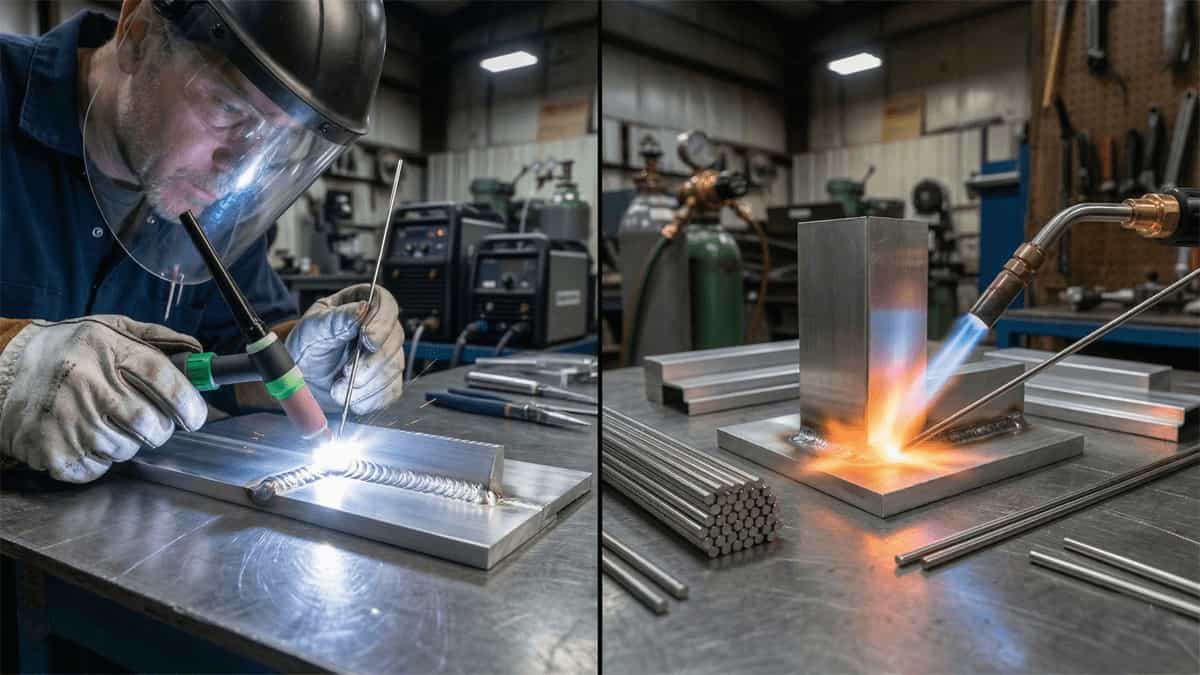
Introduction: Why Aluminium?
Aluminium doors and windows are in demand because they are strong, weather-resistant, and look modern. Unlike wood or uPVC, aluminium doesn’t rot, doesn’t warp, and lasts for decades with very little maintenance.
The global aluminium fenestration (windows & doors) market is expected to cross $82.1 billion by 2031. Countries like India, UAE, Australia, and the US are seeing major growth due to construction booms, real estate expansion, and green building policies.
Step 1: Decide Your Business Model
You can start the business in many ways. Choose one based on your budget and skills:
| Model | What It Means | Good For |
|---|---|---|
| Manufacturing + Installation | You make and install the products | High investment, full control |
| Only Installation | You buy from suppliers and install | Low investment, fast start |
| Authorised Dealership | Sell someone else’s brand | Easy entry, lower profit margin |
| Niche Specialist | Focus on high-end, luxury or energy-efficient designs | Unique market, premium clients |
| D2C / Online Store | Sell directly via website | Works well in advanced logistics regions |
| Franchise Model | Join or offer a brand system | Best for rapid expansion |
Step 2: Understand the Market & Demand
Look into:
- Who is building homes? Builders, homeowners, government projects?
- What styles are trending? Sliding doors, black frames, energy-saving glass?
- What climate needs? Hot regions need insulated systems.
- Where are competitors lacking? Faster delivery, better quality, local service?
Target countries with real estate growth like: India, UAE, Australia, US suburbs, Kenya, Indonesia.
Step 3: What You’ll Need – Materials & Machines
Raw Materials:
- Aluminium Profiles: Standard, Thermal Break, Wood Finish
- Glass Types: Toughened, Double-glazed (DGU), Low-E, Laminated
- Hardware: Locks, rollers, hinges, handles (get rust-free, branded)
Machinery:
- Cutting machine
- End milling machine
- Corner crimping machine
- Glazing robot or manual setup
- Punching and fabrication tools
Start small and upgrade. Suppliers in China, Turkey, India offer decent quality machines at good rates.
Step 4: Legal Registrations and Compliance
Country-wise Requirements:
| Country | Must-Have Registrations |
|---|---|
| India | GST, Udyam (MSME), BIS for certification |
| USA | AAMA, NFRC, OSHA, UL (for safety and performance) |
| UK/EU | CE/UKCA Marking, PAS24, ISO 9001 |
| Australia | AS2047, BAL rating (for bushfire), NCC compliance |
| South Africa | Local trade license, SABS (if public projects) |
Always follow safety, energy efficiency, and material quality rules of your local market.
Step 5: Set Up Your Workshop
Depending on your model:
- Basic Setup: 1,000–2,000 sq. ft., enough for cutting, assembling, and storing profiles
- Advanced Setup: 5,000+ sq. ft., with separate zones for each stage
Tip: Keep storage clean, avoid dust near glass. Organize profile storage by length/type.
Step 6: Hire and Train a Skilled Team
Key Roles:
- CAD Designer (for drawings)
- Estimator (to calculate costs)
- Fabricators (for assembly)
- Installers (on-site fitting)
- Sales and Admin staff
You can send your team for training to:
- Eternia(Hindalco), Schüco, Reynaers, Alumil, AluK
- Or hire workers with experience from these aluminium brands or uPVC industry
Step 7: Market Your Business
B2C Marketing:
- Website with proper SEO (like: aluminium windows in [City])
- Google Business Profile
- Instagram, Facebook, Pinterest (use before/after pictures)
- WhatsApp catalog or digital brochure
B2B Marketing:
- Visit architects, contractors, builders
- Offer demo units or sample installations
- Attend expos, real estate shows
Also list on directories like:
- Justdial, IndiaMart (India)
- Hipages (Australia)
- Yelp, Houzz (USA)
- SupplierNearYou.com (global)
Step 8: Set Your Prices & Margins
Example Price Ranges (India):
- Economy: ₹450–₹600/sqft
- Mid-tier: ₹600–₹800/sqft
- Premium: ₹900+/sqft (with DGU + thermal profiles)
Example Price Ranges (United Kingdom):
- Economy: £30–£45/sqft (basic aluminium casement/sliding)
- Mid-tier: £45–£65/sqft (powder-coated, double-glazed, mid-range hardware)
- Premium: £70–£100+/sqft (thermal break, triple-glazed, Schüco or Aluk systems)
UK building regs (Part L, PAS24) often require energy-rated profiles — affecting base cost.
Example Price Ranges (United States):
- Economy: $25–$35/sqft (basic sliding or single-glazed windows)
- Mid-tier: $35–$50/sqft (double-glazed, better frame finishes)
- Premium: $55–$80+/sqft (thermally broken, low-E, soundproofing, smart locks)
Installation included in most residential quotes. Custom colors, impact resistance, or energy-star ratings increase cost.
Tip: Offer packages based on frame finish, glass type, and lock options.
Also keep track of:
- Capital expenses (machines, setup, tools)
- Operating expenses (materials, rent, wages, logistics)
Step 9: Manage Supply Chain & Inventory
- Use multiple suppliers to avoid dependency
- Maintain buffer stock of basic profiles and locks
- Track aluminium price trends (check LME for global pricing)
- Create simple SOPs for:
- Delivery checks
- Fabrication accuracy
- Glazing safety
- Installation timelines
Step 10: Expand the Business
Start locally, then expand to:
- Exporting to nearby countries (Africa, Middle East, SE Asia)
- Bigger projects (schools, hotels, apartments)
- New products like:
- Glass partitions
- Railings
- Curtain walls
- Prefab window kits
Explore franchising or setting up a second unit in another city/state.
Step 11: Watch Future Trends
- Smart locks and home automation
- Self-cleaning and soundproof glass
- Frameless and extra-slim designs
- Building-Integrated Solar (BIPV) ready frames
- 3D-printed accessories for faster custom fitting
Being future-ready means better pricing, better clients, and a stronger brand.
Final Wrap
Starting an aluminium doors and windows business is not just profitable, it’s future-proof. If you follow the right steps, invest in the right skills, build a trusted brand, and understand your local market — you can grow fast and scale globally.
Key Takeaways:
- Start lean, grow smart
- Quality always wins
- Train your team, and track every order
- Innovate, market hard, and focus on service