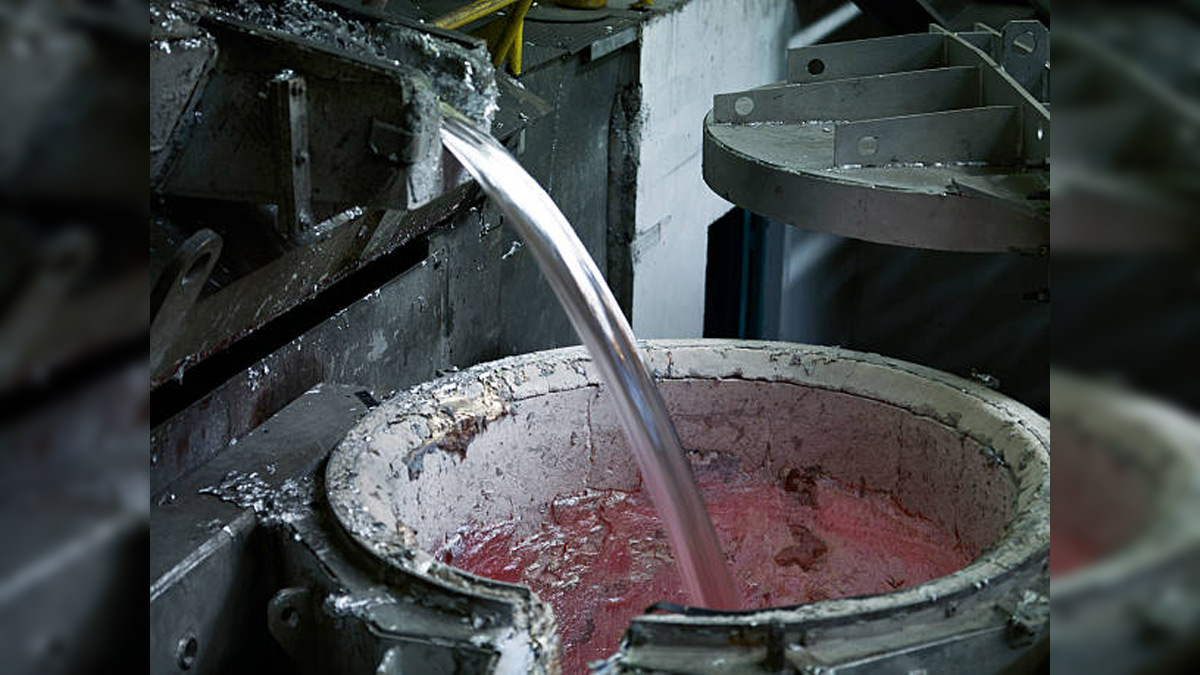
As environmental concerns continue to escalate, the importance of recycling becomes increasingly evident. One highly impactful area is the recycling of aluminium, a material that can be endlessly recycled without losing its properties. Establishing an aluminium recycling plant not only helps in reducing waste and conserving resources but also presents a lucrative business opportunity.
1. Understanding Aluminium Recycling
What is Aluminium Recycling?
Aluminium recycling involves collecting and processing scrap aluminium to produce reusable aluminium products. This process reduces the need for raw materials, conserves energy, and minimizes environmental impact.
Benefits of Recycling Aluminium
Recycling aluminium offers numerous advantages, including reduced energy consumption, lower greenhouse gas emissions, and conservation of natural resources. It also supports a circular economy by turning waste into valuable products.
2. Market Need for Aluminium Recycling
Environmental Concerns
The rising awareness of environmental issues has heightened the demand for sustainable practices. Aluminium recycling helps mitigate pollution and reduces the burden on landfills.
Economic Benefits
Recycling aluminium is cost-effective and economically beneficial. It requires less energy compared to producing new aluminium, resulting in lower production costs and higher profitability.
Global Demand for Recycled Aluminium
With industries worldwide striving for sustainability, the demand for recycled aluminium is on the rise. Manufacturers are increasingly incorporating recycled materials into their products, boosting the market for recycled aluminium.
3. Setting Up an Aluminium Recycling Plant
Initial Considerations
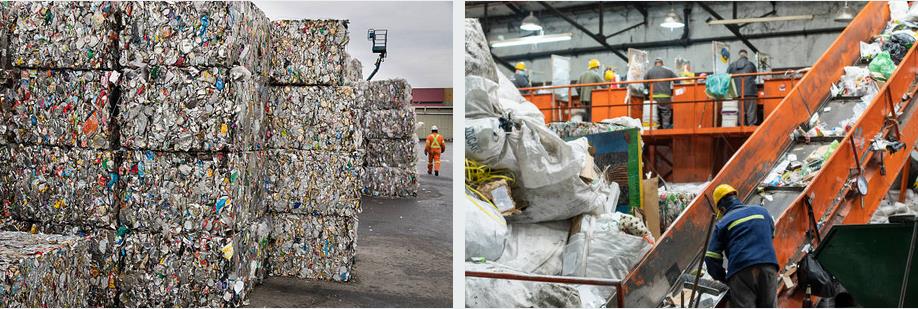
Before setting up an aluminium recycling plant, it’s crucial to conduct thorough research. Understand the market demand, identify potential customers, and evaluate the availability of raw materials.
Location and Infrastructure Requirements
Choose a strategic location for your plant, considering proximity to suppliers and customers. Ensure the facility has adequate space for operations, storage, and future expansion.
4. Sourcing Raw Materials
Types of Aluminium Scrap
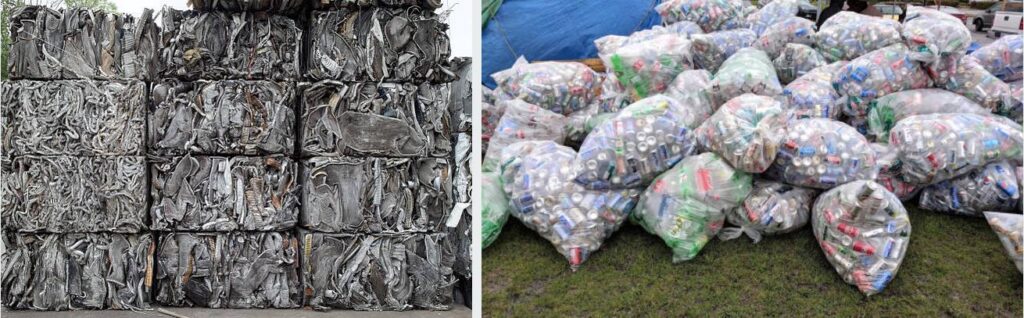
Aluminium scrap comes in various forms, including used beverage cans, foil, and industrial waste. Identifying and categorizing these types will streamline the recycling process.
Collection Methods
Efficient collection methods are essential for a steady supply of raw materials. Establish partnerships with local waste management companies, municipalities, and industries to secure a consistent flow of scrap aluminium.
Partnerships with Suppliers
Building strong relationships with suppliers is vital. Negotiate favourable terms, ensure timely deliveries, and maintain open communication to keep your plant running smoothly.
5. Investing in Recycling Equipment
Essential Machinery for Recycling
Invest in high-quality machinery such as shredders, separators, and furnaces. These machines will help efficiently process aluminium scrap into reusable materials.
Cost Considerations
While the initial investment in equipment can be significant, the long-term benefits and profitability make it worthwhile. Consider leasing options or government grants to offset costs.
Technological Advancements
Stay updated with the latest technological advancements in recycling equipment. Modern machinery offers higher efficiency, better yield, and lower operational costs.
6. Complying with Environmental Regulations
Understanding Regulatory Requirements
Compliance with environmental regulations is non-negotiable. Understand the local, state, and federal laws governing waste management, emissions, and recycling practices.
Obtaining Necessary Permits
Secure all necessary permits and licences before starting operations. This includes environmental permits, health and safety certifications, and business licences.
Implementing Best Practices
Adopt best practices to minimize environmental impact. This includes efficient waste management, reducing emissions, and ensuring safe working conditions for employees.
7. Marketing Recycled Products
Identifying Target Markets
Identify industries that use recycled aluminium, such as automotive, construction, and packaging. Tailor your marketing strategies to meet the specific needs of these sectors.
Building a Brand
Establish a strong brand identity that emphasizes sustainability and quality. Use social media, industry publications, and trade shows to promote your products.
Customer Relationships
Develop long-term relationships with your customers by providing excellent service, consistent quality, and competitive pricing. Customer satisfaction will drive repeat business and referrals.
Conclusion
Setting up an aluminium recycling plant is a lucrative and environmentally responsible venture. By understanding the market need, investing in the right equipment, and complying with regulations, you can turn waste into valuable products. Embrace the opportunity to contribute to a sustainable future while reaping economic benefits.
FAQs
1. What are the main benefits of aluminium recycling?
Aluminium recycling conserves energy, reduces greenhouse gas emissions, conserves natural resources, and supports a circular economy by transforming waste into valuable products.
2. How can I source raw materials for an aluminium recycling plant?
Source raw materials by establishing partnerships with local waste management companies, municipalities, and industries. Efficient collection methods and strong supplier relationships are essential.
3. What equipment is needed for aluminium recycling?
Essential equipment includes shredders, separators, and furnaces. Investing in high-quality machinery ensures efficient processing and higher yield.
4. What are the regulatory requirements for setting up a recycling plant?
Compliance with local, state, and federal laws is crucial. Obtain necessary permits and licenses, and implement best practices to minimize environmental impact.
5. How can I market recycled aluminium products?
Identify target markets such as automotive, construction, and packaging industries. Build a strong brand emphasizing sustainability and quality, and develop long-term customer relationships.
Related Articles


Featured

You May Also Like

Aluminium 6061 & 6061-T6: The World’s Workhorse

Sweating Over Windows? Aluminium vs. uPVC: What Truly Lasts …

Aluminium Wire: GST Rates & HSN Codes
How Aluminium Industry Drives Sustainable Development

Demystifying Aluminium Standards: A Guide to ASTM, AAMA, EN,…