A Comprehensive Comparison
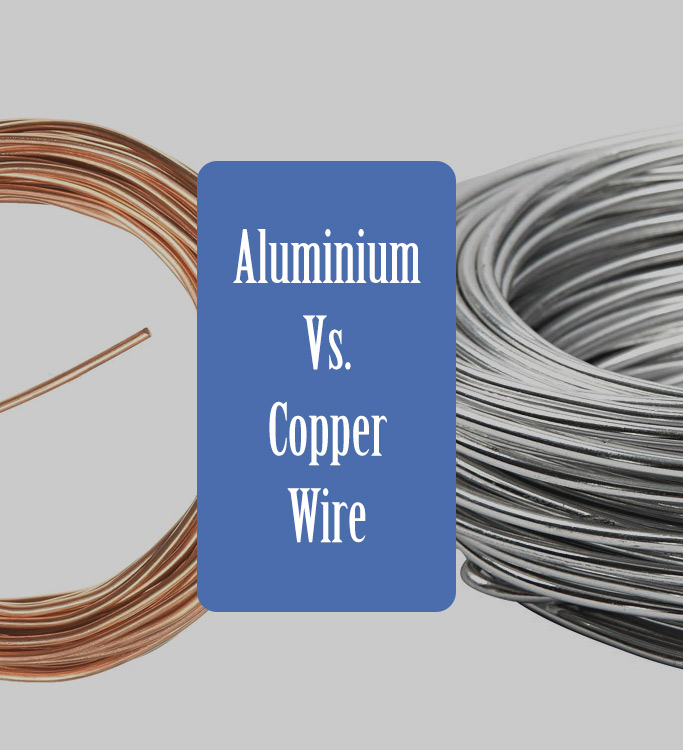
When selecting wiring for electrical applications, the choice between copper wire and aluminium wire is critical. This article delves into the key aspects of copper and aluminium wires, offering detailed insights to help you make an informed decision.
Electrical Conductivity and Efficiency
Copper Wire: Superior Conductivity
Copper is renowned for its excellent electrical conductivity, approximately 97% IACS (International Annealed Copper Standard). This high conductivity translates to lower resistance and less energy loss, making copper wire highly efficient for electrical applications. The superior conductivity of copper allows for smaller wire gauges, which can carry the same amount of current as larger aluminium wires.
Aluminium Wire: Adequate but Less Efficient
Aluminium has about 61% the conductivity of copper. This means that aluminium wires must be larger to carry the same current as copper wires. While aluminium is lighter and less expensive, its lower conductivity results in higher energy losses and a need for more extensive installation precautions to ensure safety and efficiency.
Mechanical Properties and Durability
Copper Wire: Robust and Reliable
Copper wire boasts excellent tensile strength, which makes it less prone to breaking or stretching under stress. Its superior flexibility and resistance to corrosion further enhance its durability, making copper an ideal choice for both residential and industrial applications. Copper’s reliability reduces maintenance costs and prolongs the lifespan of electrical systems.
Aluminium Wire: Lightweight but Susceptible
Aluminium is significantly lighter than copper, making it easier to handle and install. However, aluminium wire is more prone to breaking under stress and requires careful handling. It also has a higher thermal expansion rate, which can lead to loosening of connections over time, posing a fire hazard if not properly maintained.
Installation and Safety Considerations
Copper Wire: Ease of Installation
Due to its flexibility and tensile strength, copper wire is easier to install with fewer risks of damage. Its robust nature reduces the likelihood of connection failures and minimizes maintenance issues. Copper’s resistance to oxidation also ensures stable connections over the long term.
Aluminium Wire: Special Installation Needs
Aluminium wire installation requires special techniques and materials to prevent galvanic corrosion and ensure secure connections. Anti-oxidation compounds and proper connectors are essential to mitigate the risks associated with aluminium’s higher expansion rate. Installers must be trained to handle these specific requirements to maintain safety and efficiency.
Cost Analysis
Copper Wire: Higher Initial Cost, Long-Term Savings
Copper wire generally has a higher initial cost compared to aluminium. However, its superior conductivity, durability, and ease of installation can lead to lower long-term costs. Reduced maintenance needs and lower energy losses contribute to the overall cost-effectiveness of copper wiring.
Aluminium Wire: Cost-Effective but Requires More Maintenance
Aluminium wire is more affordable upfront, which can be appealing for large-scale projects. However, the need for larger gauge wires, specialized installation techniques, and increased maintenance can offset the initial savings. The total cost of ownership for aluminium wiring systems can be higher over time due to these additional factors.
Applications and Use Cases
Copper Wire: Versatile and Preferred for Critical Applications
Copper wiring is widely used in residential, commercial, and industrial settings due to its reliability and performance. It is the preferred choice for critical applications such as power distribution, telecommunications, and high-end electronic equipment. Copper’s versatility makes it suitable for a broad range of environments and conditions.
Aluminium Wire: Suitable for Large-Scale and Weight-Sensitive Projects
Aluminium wire is commonly used in utility and overhead power lines where weight savings are crucial. It is also utilized in residential wiring for specific applications, such as service entrance cables and larger branch circuits. Aluminium is a practical choice for projects where cost and weight are significant considerations.
Environmental Impact
Copper Wire: Recyclable but Energy-Intensive
Copper is highly recyclable, and its recycling process is well-established. However, copper mining and refining are energy-intensive and have significant environmental impacts. Efforts to improve the sustainability of copper production are ongoing, focusing on reducing energy consumption and environmental footprint.
Aluminium Wire: Less Energy-Intensive Production
Aluminium production is less energy-intensive compared to copper, and aluminium is also highly recyclable. The environmental impact of aluminium mining is relatively lower, making it a more sustainable choice in some contexts. The lighter weight of aluminium can also reduce transportation emissions.
Copper Wire vs. Aluminium Wire
| Feature/Aspect | Copper Wire | Aluminium Wire |
|---|---|---|
| Conductivity | Higher conductivity, can carry more current. | Lower conductivity, requires larger gauge to match copper. |
| Durability | Highly durable and resistant to corrosion. | Less durable, more prone to oxidation and brittleness. |
| Flexibility | Highly flexible, easier to bend and install. | Less flexible, can be more brittle. |
| Cost | More expensive due to higher material costs. | Cheaper, making it attractive for large projects. |
| Weight | Heavier, which can add to installation challenges. | Lighter, easier to handle and install. |
| Safety | Generally safer due to reliable connections and less risk of overheating. | Requires more precautions to ensure safe connections. |
| Installation | Easier to install due to flexibility and durability. | Requires careful installation to prevent loose connections. |
| Maintenance | Lower maintenance due to durability. | Higher maintenance to monitor oxidation and secure connections. |
| Environmental Impact | Energy-intensive to mine and refine, but highly recyclable. | Energy-intensive production, also highly recyclable. |
| Common Applications | Residential wiring, high-power applications. | Large-scale projects, service entrance cables. |
| Long-term Reliability | More reliable over the long term. | Can be reliable with proper installation and maintenance. |
FAQs
1. Which wire is better for home wiring, copper or aluminium?
Copper is generally preferred for home wiring due to its superior conductivity and durability. However, aluminium can be used in certain applications if properly installed.
2. Is aluminium wire safe to use?
Yes, aluminium wire can be safe if installed correctly and maintained properly. It requires specific precautions to prevent oxidation and ensure secure connections.
3. Why is copper wire more expensive than aluminium wire?
Copper is more expensive due to its higher conductivity, durability, and the more intensive mining and refining processes required to produce it.
4. Can aluminium wire be used for high-power applications?
Aluminium wire can be used for high-power applications, but it typically requires a larger gauge to match the current-carrying capacity of copper wire.
5. How do I know which type of wire to choose for my project?
By understanding the key differences and advantages of copper and aluminium wires, you can make an informed decision that ensures safety, efficiency, and cost-effectiveness for your electrical needs.