

What Are Anodized Aluminum Sheets?
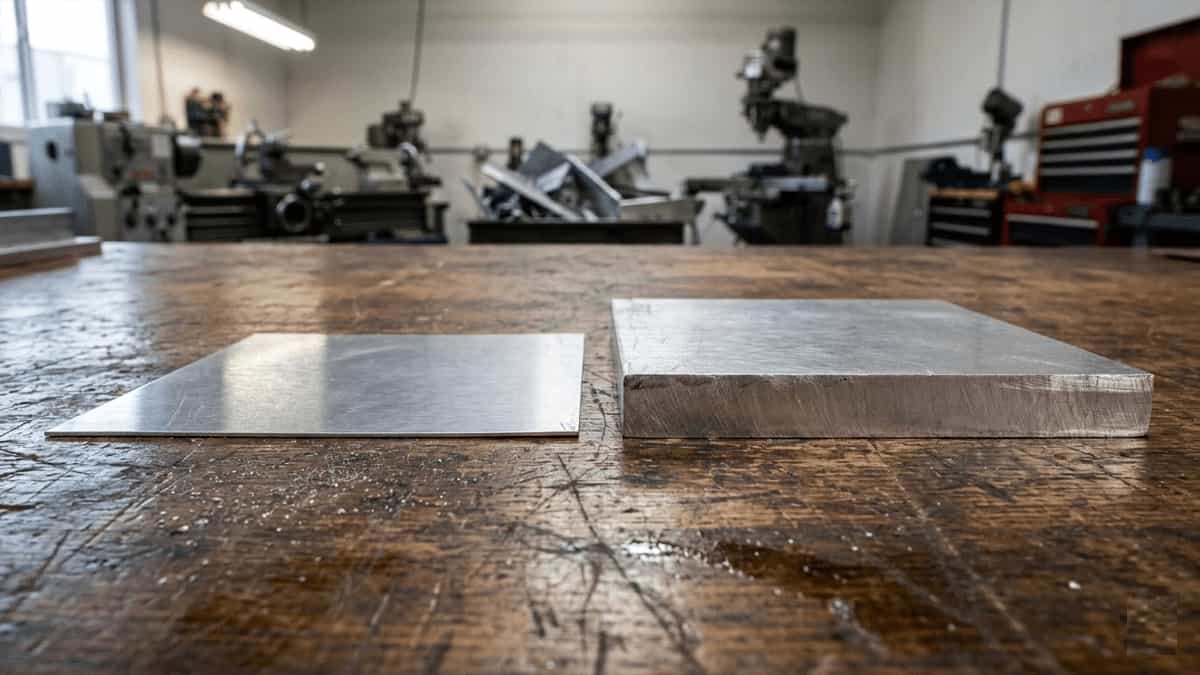
Anodized aluminum sheets are aluminum panels treated through an electrochemical process that thickens the natural oxide layer, enhancing durability, corrosion resistance, and aesthetic appeal. Unlike paint or powder coating, anodizing chemically bonds to the metal, creating a non-toxic, scratch-resistant surface ideal for demanding applications.
How Anodized Aluminum Is Manufactured
The Science Behind Anodizing: Process & Innovations
The anodizing process involves submerging aluminum in an acid electrolyte bath and passing an electric current through it. This triggers oxidation, forming a porous layer that can be dyed or sealed for added functionality.
Key Steps:
- Cleaning: Remove impurities to ensure uniform coating.
- Etching: Create a matte finish (optional).
- Anodizing: Electrochemical treatment (typically using sulfuric acid).
- Dyeing: Infuse color (optional).
- Sealing: Lock in durability and color.
Industry Insight:
According to the Aluminum Association (nofollow), anodized aluminum’s market is growing at 6.2% CAGR, driven by demand in construction and automotive sectors.
Key Advantages of Anodized Aluminum Sheets
Why Choose Anodized Aluminum?
- Corrosion Resistance: Withstands harsh environments, outperforming untreated aluminum.
- Aesthetic Versatility: Available in 30+ colors, including metallic finishes.
- Eco-Friendly: No VOCs—learn more in our guide to powder coating vs anodizing.
- Thermal Efficiency: Ideal for energy-saving designs, as seen in thermal break materials.
Case Study:
Apple uses anodized aluminum in MacBooks for its lightweight durability and sleek finish—a testament to its consumer electronics appeal.
Real-World Uses Across Industries
Where Anodized Aluminum Shines
Architecture & Construction
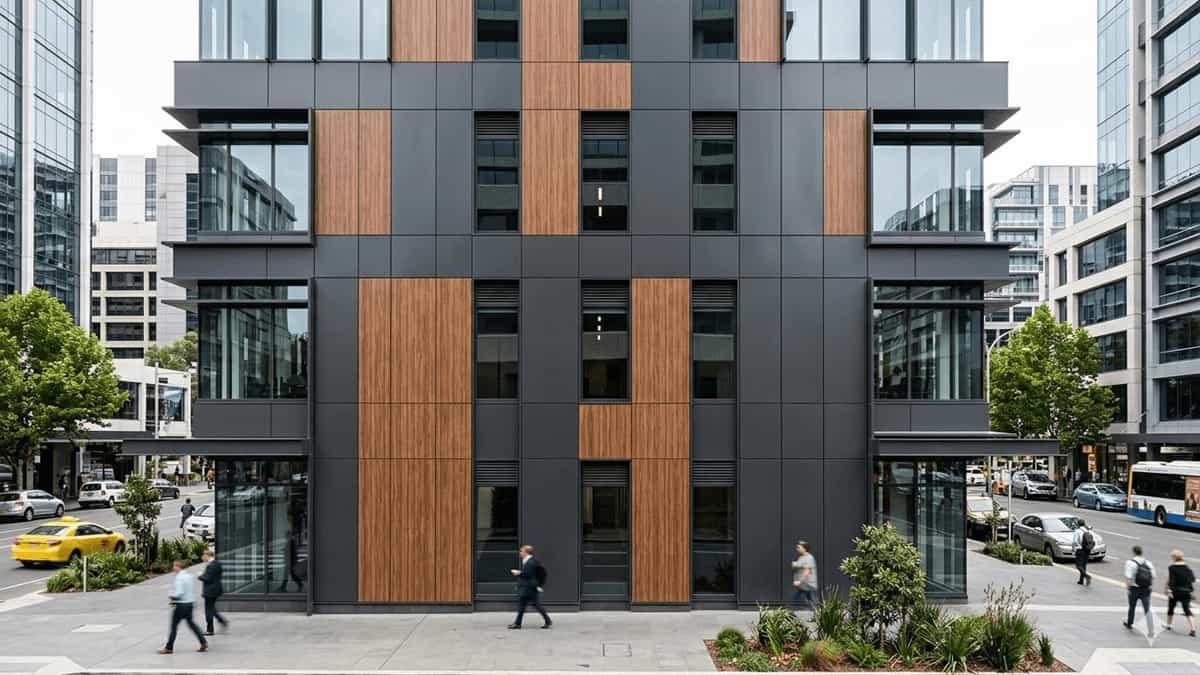
- Facades: Resists UV degradation and weathering.
- Window Frames: Enhances energy efficiency (see thermal break systems).
Automotive & Aerospace
- Engine Components: Reduces weight while preventing rust.
- Aircraft Interiors: Meets FAA flammability standards.
Consumer Goods
- Kitchenware: Non-reactive surface for cookware (explore aluminum foil uses).
- Electronics: Used in smartphones and laptops.
Maintenance Tips for Longevity
Keeping Anodized Aluminum Pristine
- Cleaning: Use mild soap and water; avoid abrasive pads.
- Inspection: Check for scratches annually; minor ones self-heal via oxidation.
- Avoid Acids: Vinegar or bleach can damage the coating.
Pro Tip: For outdoor installations, pair with insect screens to reduce debris buildup.
FAQs
H2: Anodized Aluminum Sheets: Your Questions Answered
Q: Is anodized aluminum more expensive than painted aluminum?
A: Initially yes, but its longevity reduces lifetime costs.
Q: Can anodized aluminum rust?
A: No—its oxide layer prevents rust, unlike steel.
Q: Is it environmentally safe?
A: Yes! The process is non-toxic, aligning with sustainability trends.
Related Articles

Featured


You May Also Like

Aluminium Element: Symbol, Properties, Uses, and Surprising …
Are Hung Windows More Efficient Than Casement Windows?
Aluminum Hydride (AlH₃): The Complete Guide

Seamless Style and Grand Entrances: A Look at Aluminum Pivot…
Are Low-Maintenance Aluminium Windows Really Cheap? The Trut…
