The electric vehicle (EV) revolution is not just about swapping an engine for a battery pack. It’s a complete re-imagination of automotive design, where every kilogram matters. At the heart of this transformation is a material shift: the move from traditional steel to advanced aluminum frames. This isn’t a minor design tweak; it’s a fundamental engineering decision that directly addresses the core challenges of electrification. From extending range to enhancing performance, the aluminium frame is proving to be a critical enabler for the future of mobility.
Article Index
What Is an Aluminum Vehicle Frame?
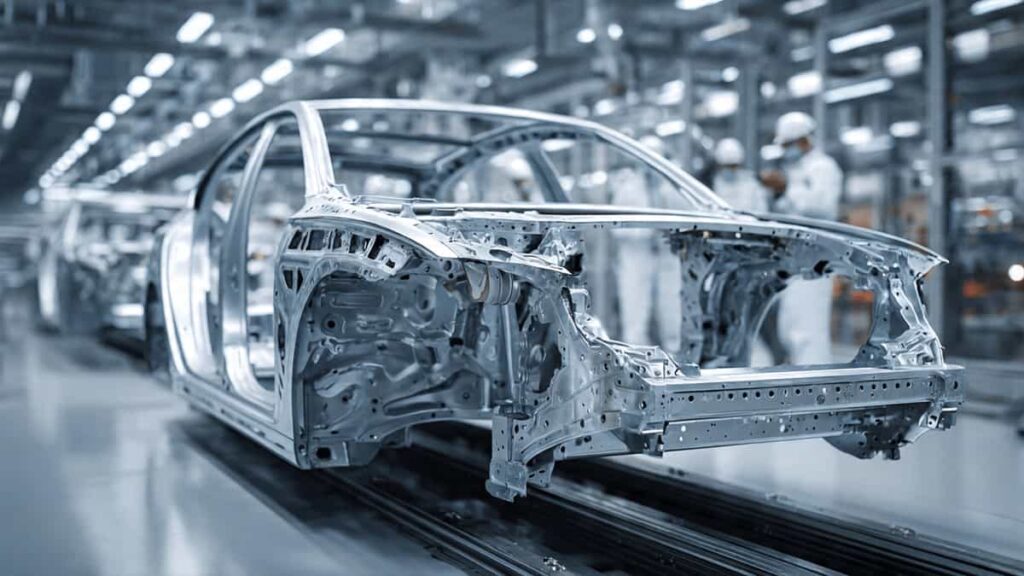
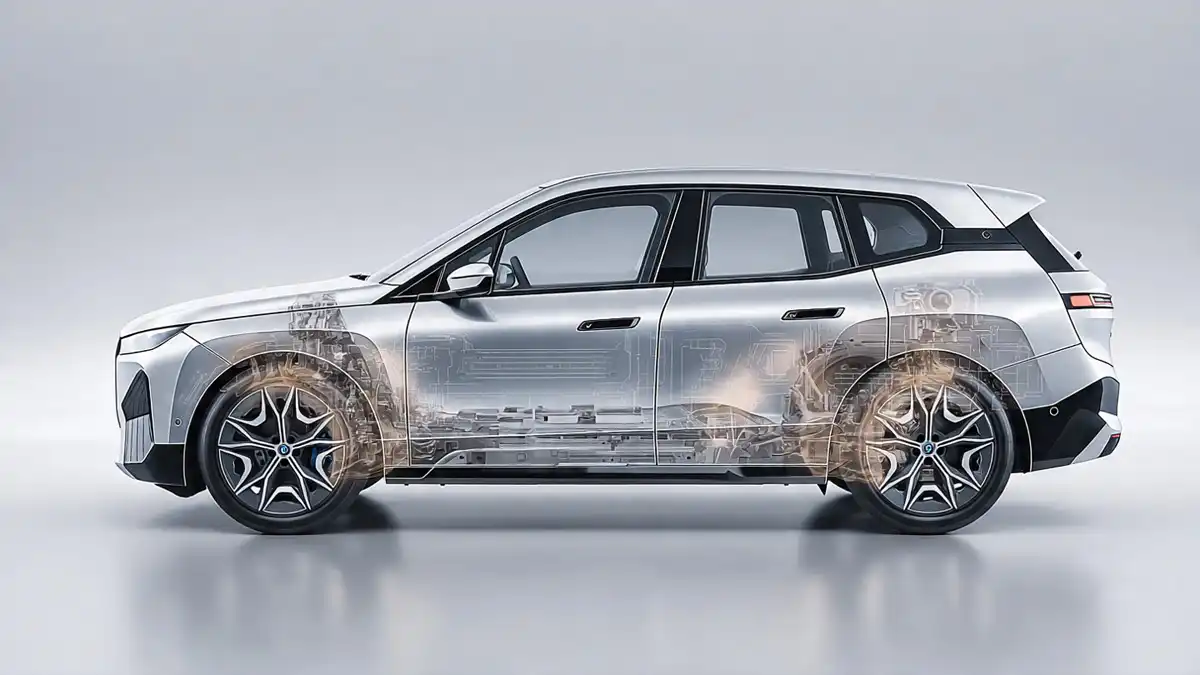
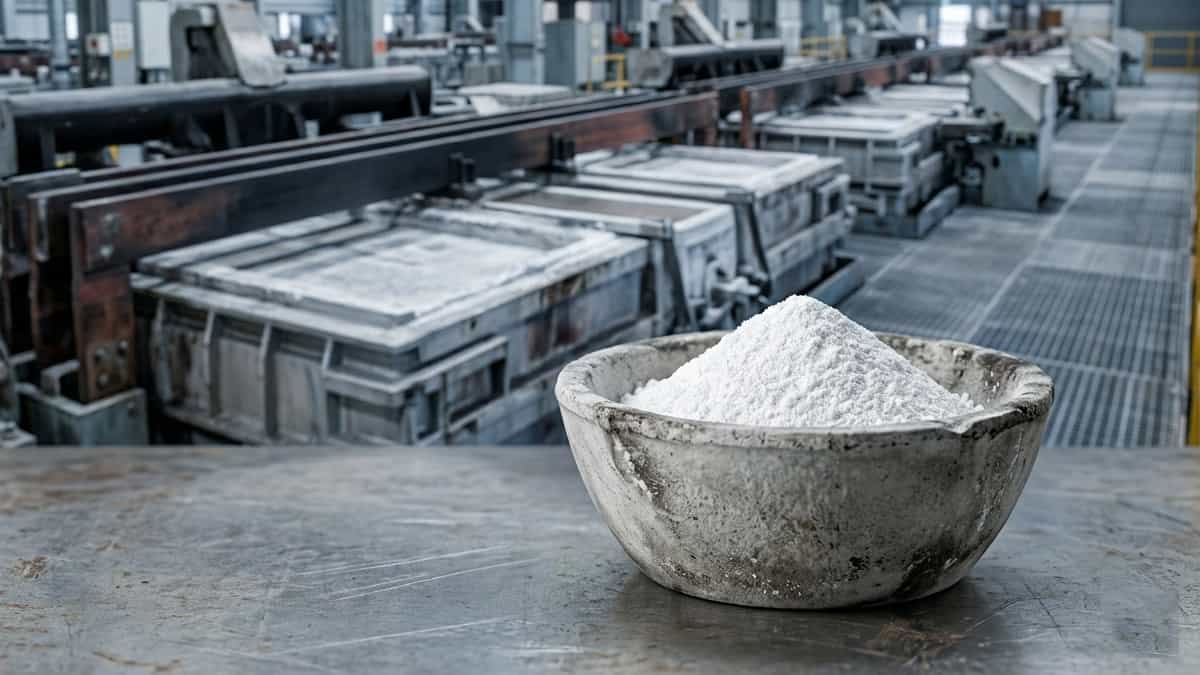
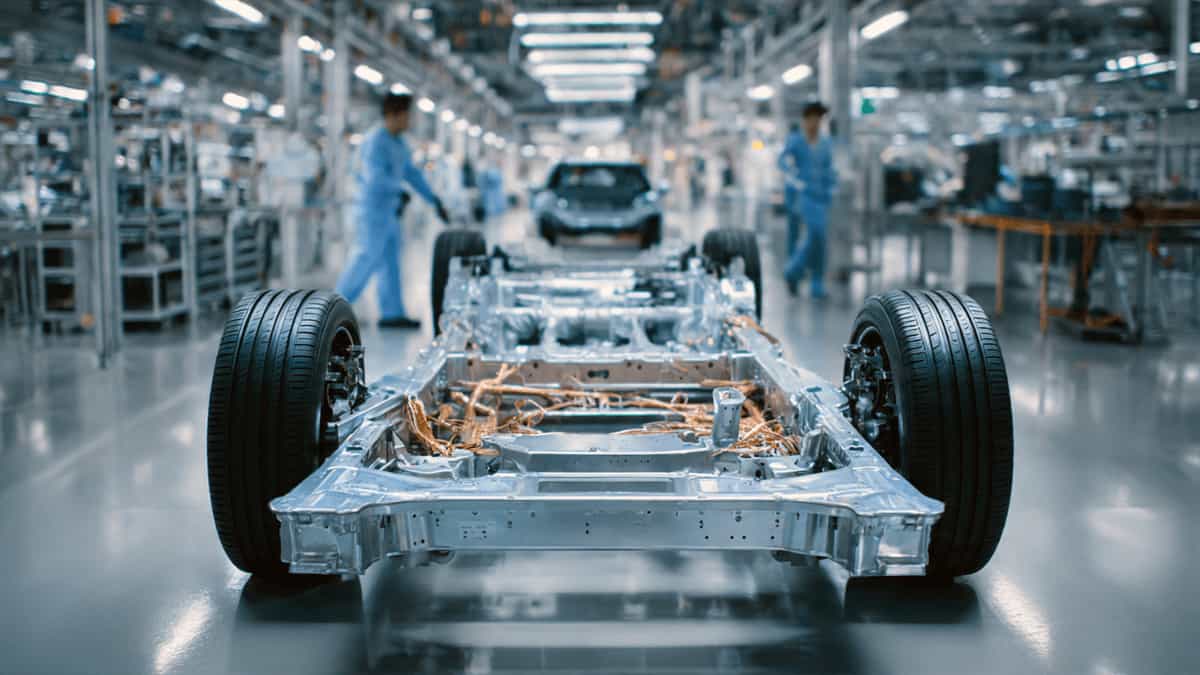
An aluminum vehicle frame, or chassis, is the structural skeleton of a car, primarily fabricated from aluminium alloys instead of conventional steel. It can be constructed through various methods, including extruded aluminum beams joined together (space frame), complex castings, or unibody designs where the body and frame are integrated. This frame supports all components—battery pack, powertrain, suspension, and body panels. The primary goal is to achieve maximum stiffness and safety with minimum weight, a principle where aluminium excels. For foundational knowledge on the material itself, explore our guide on what aluminium is and how it’s made.
Why Electric Vehicles Need Lightweight Structures
The single heaviest component in an EV is its battery pack. This inherent weight penalty is the greatest challenge to achieving long driving range. Unlike internal combustion engine vehicles where reducing weight improves fuel economy incrementally, in an EV, it has a direct and pronounced effect on efficiency. Lightweighting the frame through aluminum compensates for the battery’s mass. A lighter vehicle requires less energy to accelerate and maintain speed, which means either a smaller, cheaper battery can be used for the same range, or the existing battery can deliver more miles. This makes aluminium frames a critical lever for cost-effectiveness and performance. This strategic advantage is a key part of aluminium’s crucial impact on transforming vehicles into next-gen intelligent mobility.
Strength vs Weight: The Engineering Advantage
While high-strength steel is stronger per unit volume, advanced aluminum alloys win on strength-to-weight ratio. This means engineers can design a frame that is equally strong or stiff as a steel one but significantly lighter. Modern alloys like 6000-series (e.g., 6061, 6063) and 7000-series offer exceptional strength, which can be further optimized through engineering shapes. Extruded aluminium beams, for instance, can be designed with complex cross-sections to provide immense rigidity where needed while keeping wall thickness minimal. This efficient use of material is central to the philosophy of the modern industry, which focuses on how the aluminium industry is driving sustainable development through intelligent design.
Crash Safety and Structural Performance
Safety is non-negotiable. Aluminum frames are engineered to be not just light, but exceptionally safe. They manage crash energy through controlled deformation. Specific zones of the frame are designed to crumple in a predictable manner, absorbing kinetic energy during an impact before it reaches the passenger cabin. The high strength of the alloys keeps the survival cell intact. Companies use sophisticated simulation software to engineer these crumple zones precisely. The result is that modern aluminium vehicles consistently achieve top ratings in global crash-test programs like Euro NCAP and IIHS, debunking the myth that lighter means less safe.
Real-World Examples from Leading Automakers
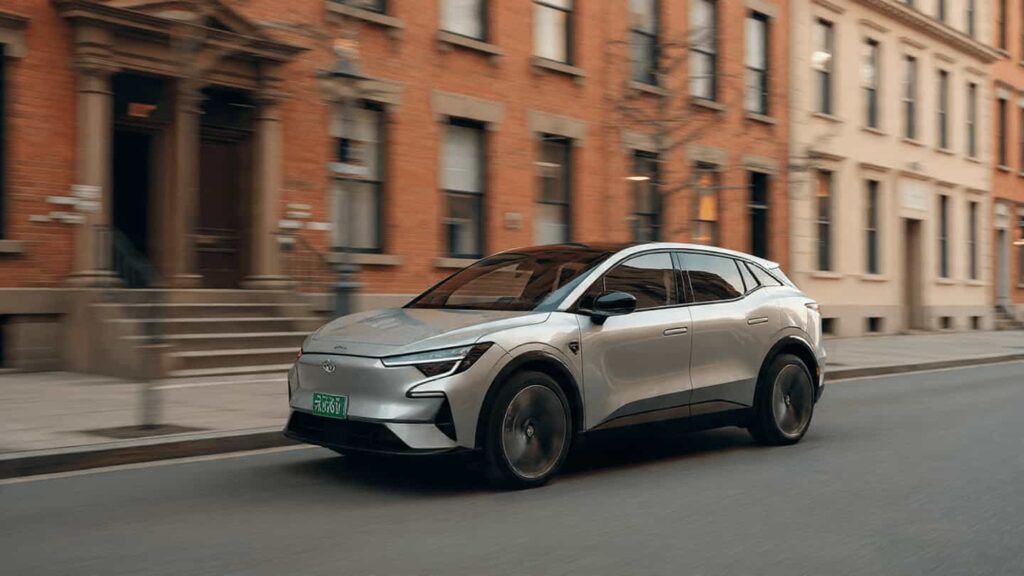
The industry’s shift is already evident:
- Tesla: A pioneer in aluminum use, employing large, high-pressure die-cast components (like the rear underbody in the Model Y) to reduce parts count and weight dramatically.
- Audi / Volkswagen Group: The Audi e-tron series and the Porsche Taycan utilize sophisticated aluminium space frames and hybrid structures, leveraging Audi’s decades of expertise from their “Audi Space Frame” (ASF) technology.
- Rivian: The R1T truck and R1S SUV use a “skateboard” platform—a rigid, flat aluminum chassis that neatly packages the battery, motors, and suspension, simplifying design and improving off-road capability.
- Ford: The Ford F-150 Lightning, the electric version of America’s best-selling truck, uses a high-strength aluminium body mounted on a reinforced frame, proving the material’s mettle even in demanding truck applications.
Corrosion Resistance and Longevity Benefits
Aluminum naturally forms a protective oxide layer when exposed to air, making it highly resistant to corrosion. This is a significant advantage over steel, which requires galvanization or coatings to prevent rust. For an EV, which is expected to have a long service life, this inherent corrosion resistance translates to improved durability and lower long-term maintenance costs for the vehicle’s structure. It also contributes to better resale value and is a key component in creating sustainable, long-lasting products. The material’s longevity aligns with the principles of a sustainable aluminium packaging future, where material efficiency and lifecycle are paramount.
Manufacturing Challenges and Cost Factors
The adoption of aluminum frames isn’t without hurdles. The primary challenge is cost. Aluminium is more expensive than steel as a raw material, and its manufacturing requires different techniques. Welding aluminum is more complex than welding steel, often necessitating advanced methods like friction stir welding or self-piercing rivets. The need for new tooling and factory retooling represents a massive capital investment for automakers. However, as production volumes increase and techniques like mega-casting become more widespread, economies of scale are beginning to offset these initial costs, making aluminum frames a more viable mainstream solution.
The Future of Aluminum in Automotive Design
The future points toward greater integration and material innovation. We will see more gigacastings—single, massive aluminium castings that replace dozens of stamped steel parts—reducing complexity and weight further. The development of new, even stronger alloys and the increased use of aluminum matrix composites will push the boundaries of performance. Furthermore, the focus on a circular economy will drive the use of recycled, high-quality aluminium in frames, reducing the carbon footprint of manufacturing. This evolution is a core part of the broader future of aluminium advancements and innovations.
FAQ
Are aluminum car frames safe in accidents?
Yes. Properly engineered aluminium structures are designed with specific crumple zones to absorb impact energy effectively and a rigid safety cell to protect occupants. They consistently meet and exceed global crash safety standards.
Why do electric vehicles use aluminum frames more than petrol cars?
The heavy battery pack in an EV creates a major weight penalty. Using a lightweight aluminum frame directly compensates for this mass, which is the most effective way to extend battery range and improve overall vehicle efficiency and handling.
Is aluminium stronger than steel for car frames?
By volume, steel is generally stronger. However, aluminum offers a superior strength-to-weight ratio. This means engineers can use more material strategically to create a frame that is as strong or stiff as a steel one but up to 50% lighter.
Do aluminum frames make EVs more expensive?
Initially, yes. The material and manufacturing costs are higher. However, this cost is partially offset by savings elsewhere (e.g., smaller battery needed for the same range) and is expected to decrease as manufacturing scales up and becomes more efficient.