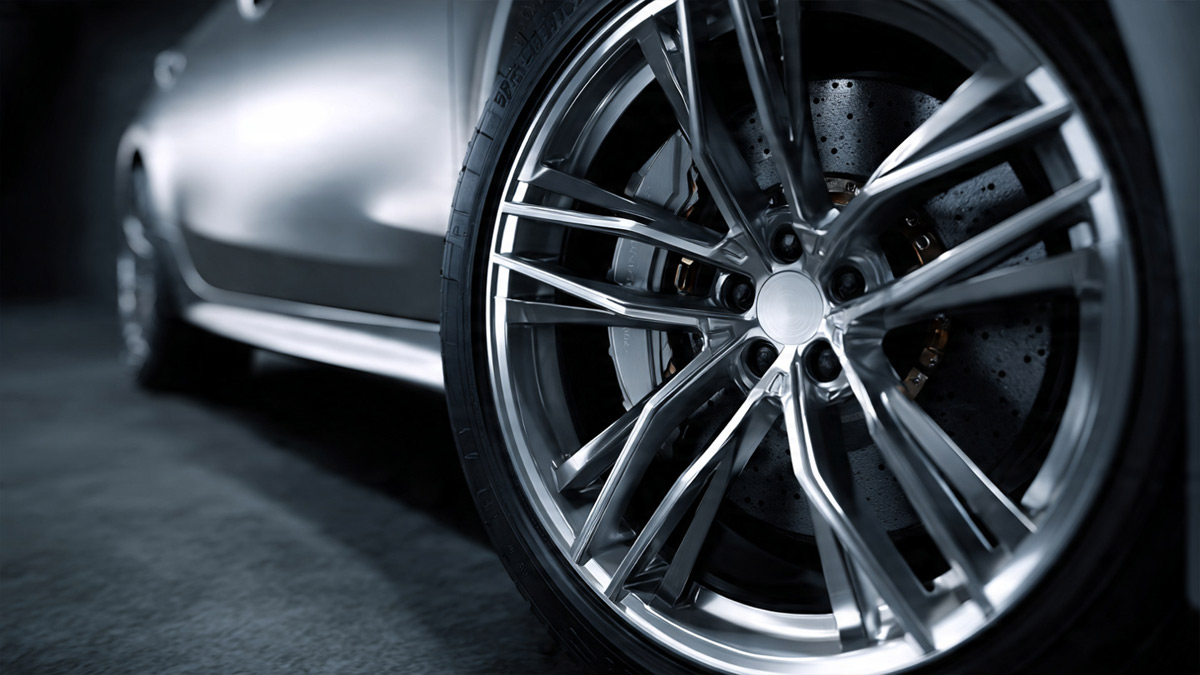
From high-performance supercars to mainstream electric sedans, aluminum wheels have become the universal standard in automotive design. This dominance isn’t a mere stylistic trend—it’s the result of fundamental engineering advantages that directly enhance how a vehicle drives, stops, and consumes energy. Moving beyond the classic steel wheel represents a critical upgrade that touches every aspect of vehicle dynamics, efficiency, and aesthetics. This article unpacks the multifaceted reasons why aluminium alloy wheels are now the undisputed choice for automakers and enthusiasts alike.
KEY TAKEAWAYS
- Aluminum alloy wheels offer superior strength-to-weight ratios over traditional steel.
- Lowering unsprung weight directly improves acceleration, handling, and fuel efficiency.
- Aluminum conducts heat efficiently, preventing brake fade during hard driving conditions.
What Are Aluminum Wheels?
Aluminum wheels, commonly called “alloy wheels,” are manufactured from an aluminium alloy, typically blended with magnesium or silicon for strength. Unlike stamped steel wheels, they are produced using three primary methods:
- Casting: Molten aluminium is poured into a mold. This is the most common method for mass-production vehicles.
- Flow Forming (Rotary Forging): A hybrid process where a cast wheel is spun and stretched under heat. This compresses the aluminum structure, creating a wheel that is significantly lighter and stronger than a standard cast wheel—offering near-forged performance at a lower price.
- Forging: A solid aluminum billet is pressed under immense pressure. This produces the lightest and strongest wheels possible, typically reserved for high-end performance cars. For a deeper understanding of raw materials, see our guide on what is an aluminum billet.
Why Automakers Prefer Aluminum Wheels
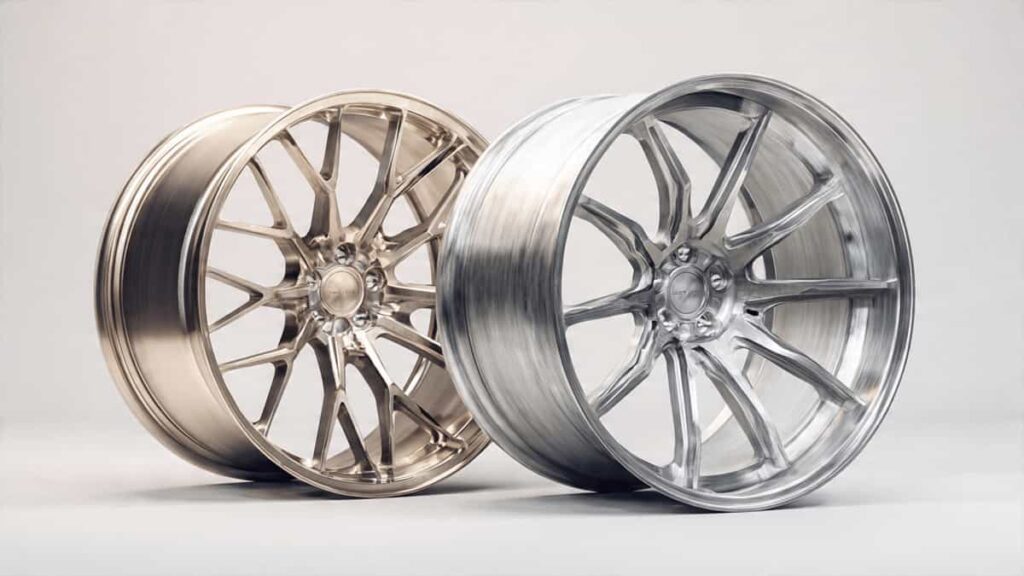
Automakers choose aluminum wheels for a compelling trifecta: performance, efficiency, and consumer appeal. While they carry a higher initial cost than steel, the benefits align perfectly with modern goals. They reduce unsprung mass, improve fuel economy and EV range, enhance brake cooling, and offer the premium aesthetic now expected by the market.
Weight Reduction and Vehicle Performance
This is the most significant advantage. Aluminum wheels are substantially lighter than steel. This reduction is in unsprung weight—the mass not supported by the suspension (wheels, tires, brakes). Reducing this weight has a dramatic impact:
- Improved Acceleration & Braking: Less rotational inertia means the engine or motor works less to spin the wheels, and brakes work less to stop them.
- Enhanced Handling: The suspension reacts faster to bumps, keeping the tire planted on the road for better cornering stability.
- Reduced Stress: Lighter wheels place less load on suspension bearings and dampers. This principle is central to modern design, much like the use of aluminium in modern bicycle design.
Strength vs Steel Wheels: Real Comparison
A common misconception is that steel is “stronger.” The reality is about design intent. A stamped steel wheel is ductile—it will bend under heavy impact, which is useful for off-roading. However, a well-engineered aluminum wheel offers a superior strength-to-weight ratio. It provides the necessary rigidity for high-speed stability without the excess weight. For high-stress applications, specific alloys are used, similar to selecting the right aluminium 6061 T6 alloy for demanding uses.
ADVANTAGES
- ✓ Higher strength-to-weight ratio
- ✓ Excellent heat dissipation (prevents brake fade)
- ✓ Superior precision and aerodynamic design versatility
- ✓ Lightweight structure improves MPG and EV range
LIMITATIONS
- ✕ Higher manufacturing and replacement cost
- ✕ Brittle under severe off-road impacts (can crack instead of bend)
Heat Dissipation and Brake Performance
Aluminium is an excellent thermal conductor. During hard braking, friction generates immense heat. Aluminum wheels act as a heat sink, pulling heat away from the rotors and dissipating it into the airflow. This prevents “brake fade” (loss of stopping power) and extends the life of brake pads and rotors—a critical safety benefit for mountain driving or towing.
Design Flexibility and Styling Advantage
The manufacturing process for aluminum wheels allows for intricate, sleek, and aerodynamic designs impossible with stamped steel. Designers can create thin spokes, deep concaves, and precise contours that enhance a vehicle’s identity. This versatility reflects the broader future of aluminium advancements and innovations in manufacturing.
Aluminum Wheels in Electric Vehicles
For EVs, aluminum wheels are a strategic efficiency component. Every kilogram saved directly combats the weight of the battery pack. Additionally, EVs often use aerodynamic aluminum wheels (sometimes with inserts) to smooth airflow and reduce drag. This combination of lightweighting and aerodynamics is essential for maximizing driving range, aligning with aluminium’s key role in the electric vehicle revolution.
Durability, Corrosion Resistance, and Lifespan
Modern aluminum wheels are highly durable. They are typically finished with robust clear coats or powder coating that resists corrosion from road salts. While they can crack under violent impacts (where steel might bend), they are engineered to withstand the rigors of daily driving for the vehicle’s entire lifespan. Their resistance to rust makes them a key part of sustainable aluminium applications.
Are Aluminum Wheels Worth the Cost?
For the vast majority of drivers, yes. The investment delivers tangible returns in:
- Dynamics: Better handling and braking.
- Efficiency: Improved MPG or EV range.
- Safety: Better heat management.
- Resale: Higher vehicle value. While steel remains a budget option for winter tires or basic utility, aluminum wheels are the superior choice for performance and longevity.
FAQs
Are aluminum wheels stronger than steel wheels?
Aluminum wheels have a better strength-to-weight ratio. While steel is more bendable (ductile), aluminum is stiffer and lighter, which is better for on-road handling and performance.
Do aluminum wheels improve gas mileage?
Yes. By reducing unsprung weight and rotational mass, the engine works less to accelerate the vehicle. Aerodynamic aluminum designs also reduce drag at highway speeds.
What is the difference between cast and flow formed wheels?
Cast wheels are poured into a mold. Flow formed wheels are cast and then spun/stretched, making the barrel thinner, stronger, and lighter—closer to the quality of a forged wheel but at a lower cost.