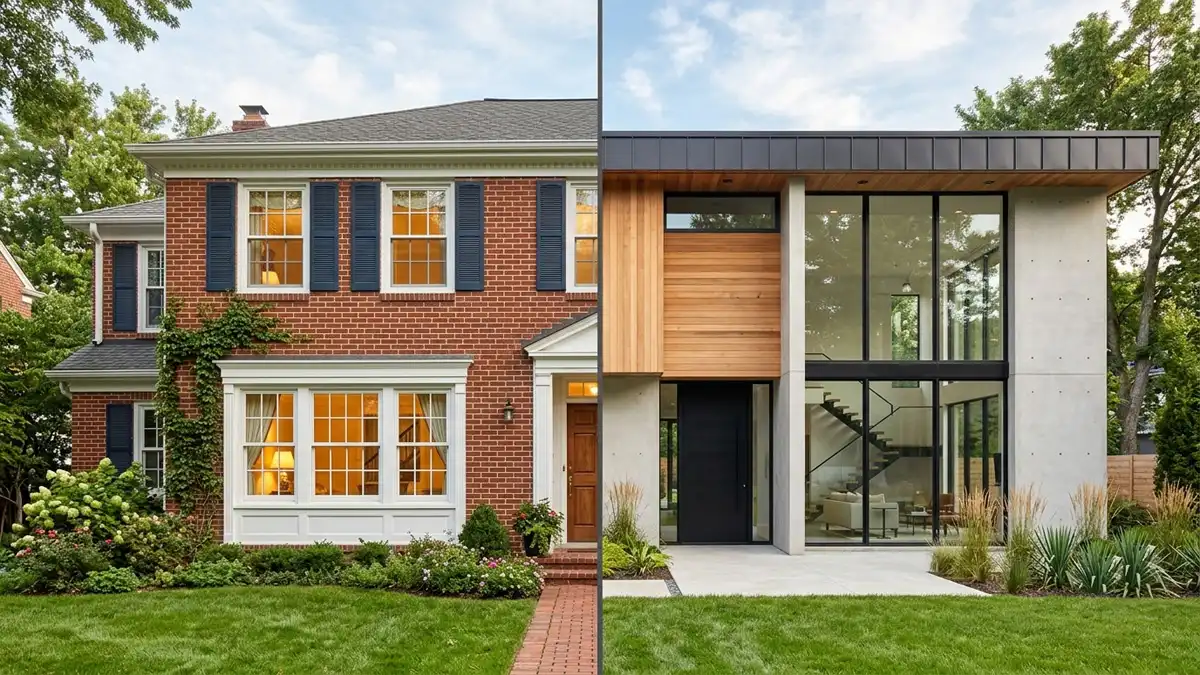
Windows play a pivotal role in dictating both the architectural aesthetics and day-to-day functionality of a home. Whether you are aiming to enhance a living space with a clean, modern touch or preserve the timeless charm of a heritage design, understanding the core differences between contemporary and traditional windows is crucial.
This comprehensive comparison breaks down structural differences, frame engineering, and optimal window treatment styles—empowering you to select the ideal configuration for your home decor.
At-A-Glance Comparison
- Contemporary Design: Emphasizes minimalism, ultra-slim profiles, and sweeping expanses of glass designed to maximize natural light transmission.
- Traditional Design: Celebrates historical architectural styles, featuring smaller pane sections, detailed craftsmanship, and classic proportions.
Structural Comparison: Contemporary vs. Traditional Windows
Contemporary and traditional windows differ fundamentally in their engineering, frame profiles, and visual boundaries, heavily influencing the mood of your interior spaces.
Contemporary Window Engineering
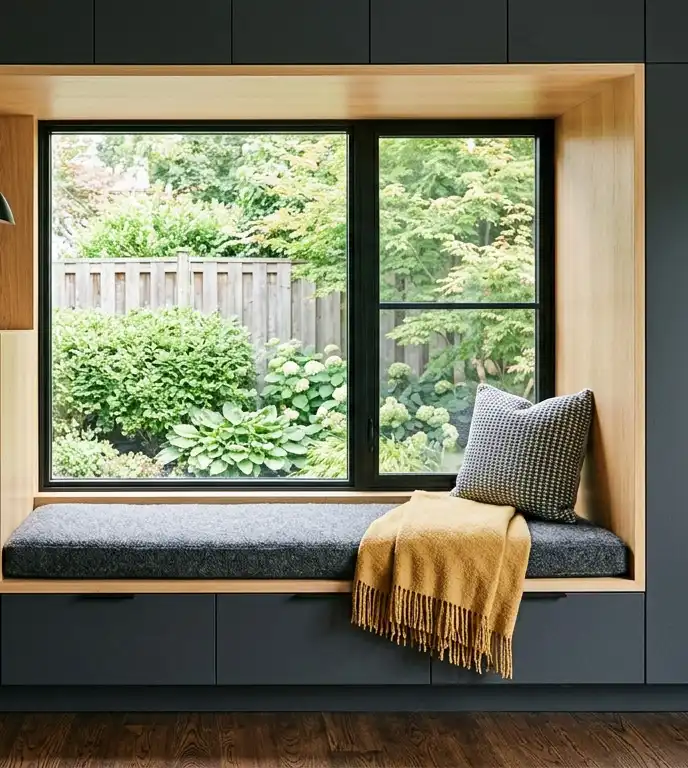
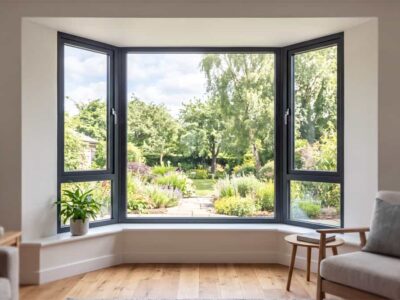
Contemporary styles are defined by sleek, minimalist designs, flat planes, and clean lines. These systems regularly prioritize expansive glass panels that flood interiors with ambient light, creating a bright sense of openness. The structural frames are frequently built using high-performance materials like aluminum, which offer structural durability and exceptional energy efficiency while maintaining a seamless transition between indoor and outdoor living zones.
Traditional Window Engineering
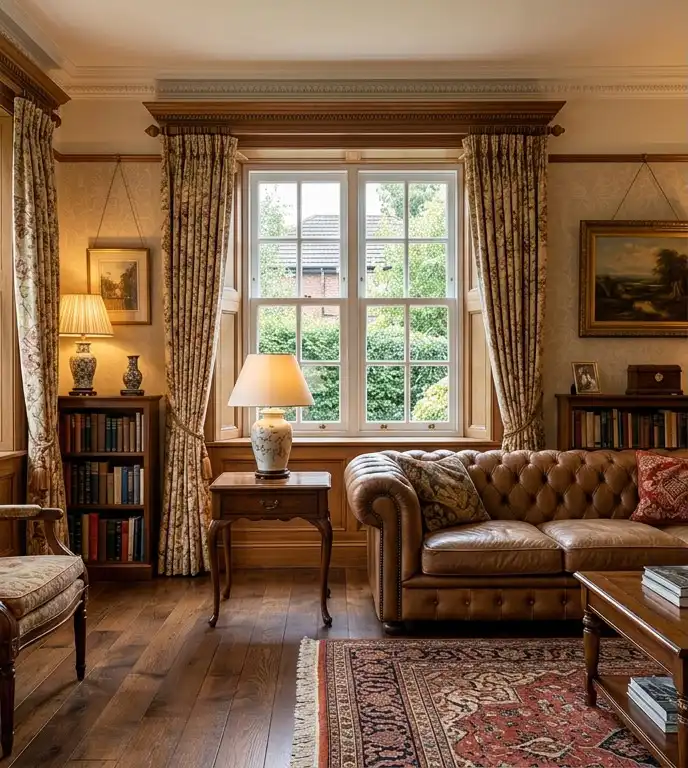
Traditional profiles radiate a nostalgic charm deeply rooted in historical architecture. These openings are typically smaller or broken up into divided lites and feature intricate, decorative moldings. Classic wood frames are a structural hallmark of traditional design, infusing natural warmth and character into the home. While original wood frames generally do not match the built-in thermal efficiency of modern aluminum alloys, their classic styling remains a primary choice for heritage homes.
Styling Modern Openings: Contemporary Window Treatments
The clean lines of contemporary window frames provide a perfect foundation for innovative, sleek treatment ideas that enhance their sharp, modern look.
Modern Treatment Options
- Minimalist Roller Shades: A clean styling approach using low-profile roller mechanisms. Available in a wide variety of technical fabrics to manage incoming glare without cluttering the frame line.
- Motorized Automation Blinds: Streamlined, cord-free luxury. Motorized blinds provide effortless lighting adjustments at the touch of a button, keeping child-safe profiles and a sharp aesthetic layout.
- Sheer Panels with Tailored Valances: Melds soft light diffusion with crisp architectural accents. Translucent sheers gently soften incoming rays, while a minimalist, structured valance adds understated premium style.
Enhancing Heritage Openings: Traditional Valances and Trim
Traditional wood frames serve as an excellent canvas for ornate, multi-layered fabric treatments and timeless carpentry accents that emphasize old-world craftsmanship.
Classic Architectural Accents
- ✓ Dramatic Swag Valances: Sweeping fabric drapes that cascade elegantly around the frame, establishing a sense of grandeur and formality perfect for historic dining or living spaces.
- ✓ Intricate Crown Molding Trim: Substantial perimeter woodwork that frames the window opening, creating deep shadows and architectural weight that honors historical artisan details.
- ✓ Roman Shades with Tassel Trim: Pairs the soft, folded fabric stack of traditional Roman treatments with detailed fringe or tassel borders to generate a richly tailored appearance.
Functional Performance: Coverings and Shades
When selecting your shade fabrics and operational mechanisms, both design categories present distinct functional advantages tailored to different lifestyle demands:
Contemporary Window Coverings: Modern options like cellular honeycomb shades or sliding panel tracks place a primary focus on utility and thermal performance. These systems deliver premium insulation and privacy control while integrating cleanly with minimal architectural lines.
Traditional Window Shades: Timeless options like gathered Austrian shades or heavy fabric Roman folds prioritize texture, elegance, and visual presence. Crafted from premium, weighted textiles, these treatments act as a central design feature that elevates the luxury of the entire room.
Explore More Window Inspiration & Design Ideas
Choosing the right windows and treatments involves understanding your climate, home style, and practical needs. To help you make informed decisions, explore these related articles:
- What Is Contemporary Windows and Traditional Windows? – Dive deeper into the defining characteristics and historical influences behind these two distinct window styles.
- Modern Aluminium Window Design Ideas – Discover a curated gallery of sleek, contemporary aluminum window designs that can transform your living spaces with clean aesthetics and maximum natural light.
- What Is a Picture Window? – Learn about fixed-pane picture windows, a hallmark of contemporary design that offers unobstructed views and abundant sunlight.
Contemporary vs. Traditional Windows FAQ
What is the primary distinction between contemporary and traditional windows?
Contemporary designs center on modern minimalism, featuring razor-thin lines and sweeping glass walls. Traditional windows emphasize heritage style, showcasing detailed wood frames and smaller, segmented window panes.
Are traditional windows less energy-efficient than contemporary windows?
Yes. Heritage traditional profiles generally yield lower thermal efficiency than contemporary windows, which leverage advanced material engineering, thermal breaks, and integrated double or triple glazing technology.
Are motorized blinds limited only to contemporary window styles?
Not at all. While motorized blinds match modern architecture perfectly, automated shade systems can easily be integrated into traditional window frames to introduce convenient, hands-free function without disrupting the classic look.
Can I mix contemporary and traditional window treatments in the same room?
Absolutely. Combining elements—such as installing sleek modern roller shades inside an ornate, traditional crown-molded window frame—creates an intentional, eclectic interior aesthetic.
Related Articles

Featured



You May Also Like
Beat the Heat and Save Energy with Aluminium Retractable Awn…

Want to Start an Offline Aluminium Business? No One Tells Yo…

ALUMINIUM CHINA 2024 to Unveil in Shanghai this July: Regist…

Home Window Tinting: The Benefits You May Not Know About

How to Maintain Aluminum Windows – Tips You Need!