Aluminium Cladding has solidified its position as the premier material for sophisticated and resilient building exteriors in both residential and commercial sectors. This essential guide provides an in-depth analysis of the various types of aluminium cladding solutions, their ideal architectural applications, and the comprehensive long-term benefits they provide to modern construction projects. From optimizing energy efficiency to achieving breathtaking aesthetic outcomes, selecting the right aluminum cladding system is critical for structural longevity and superior building facade performance.
What is Aluminium Cladding?
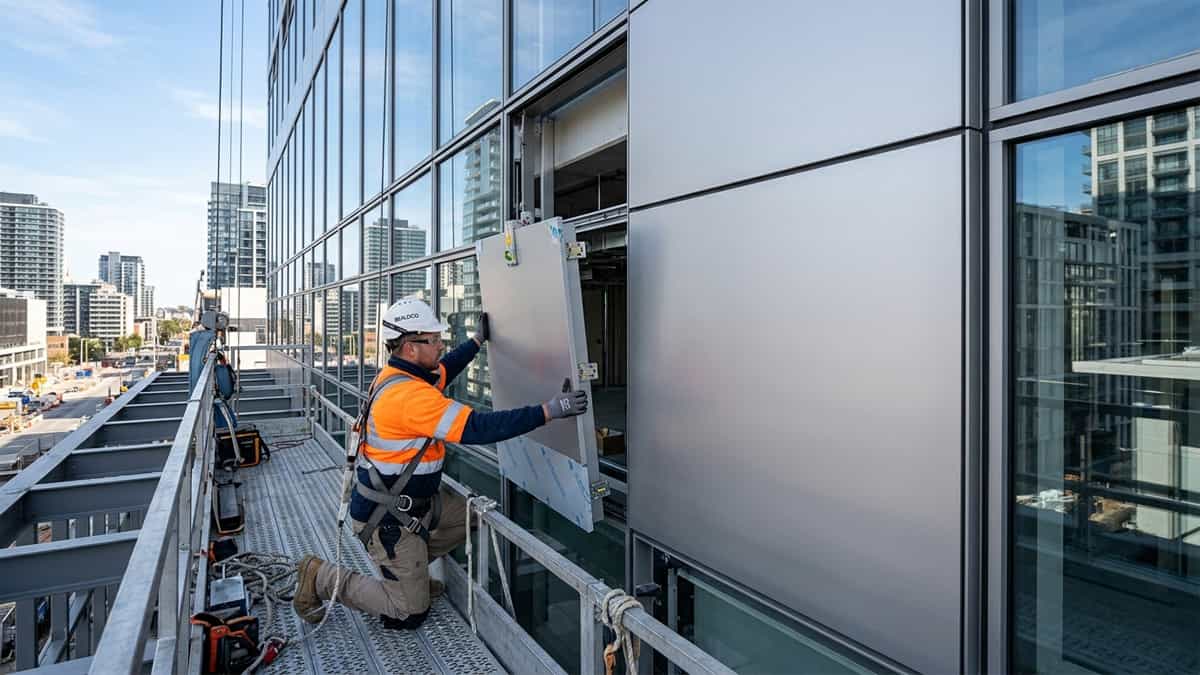
Aluminum cladding refers to a comprehensive building envelope system that utilizes lightweight, high-strength aluminum panels to cover and protect a structure’s exterior walls. Widely sought after for its superior corrosion resistance and lightweight properties, this material is instrumental in creating the seamless, contemporary look characteristic of modern architecture. Beyond aesthetics, these systems act as a protective skin, significantly enhancing the building’s weather resistance and structural durability.
High-Value Context: The versatility of aluminium extends beyond just facades; it is a fundamental material utilized across heavy industry, underscoring its adaptability and inherent strength in both construction and automotive sectors Learn about the Versatility of Aluminium.
Key Types of Aluminium Cladding Systems and Their Ideal Use
The term “aluminum cladding” encompasses several distinct panel types, each tailored to specific performance requirements and aesthetic goals.
1. Aluminium Composite Panels (ACP or ACM)
ACP is constructed by bonding two thin sheets of aluminium to a non-aluminium core, typically polyethylene (PE) or fire-retardant (FR) mineral-filled materials. The exterior often features a high-performance finish, such as PVDF, ensuring maximum color retention and UV resistance.
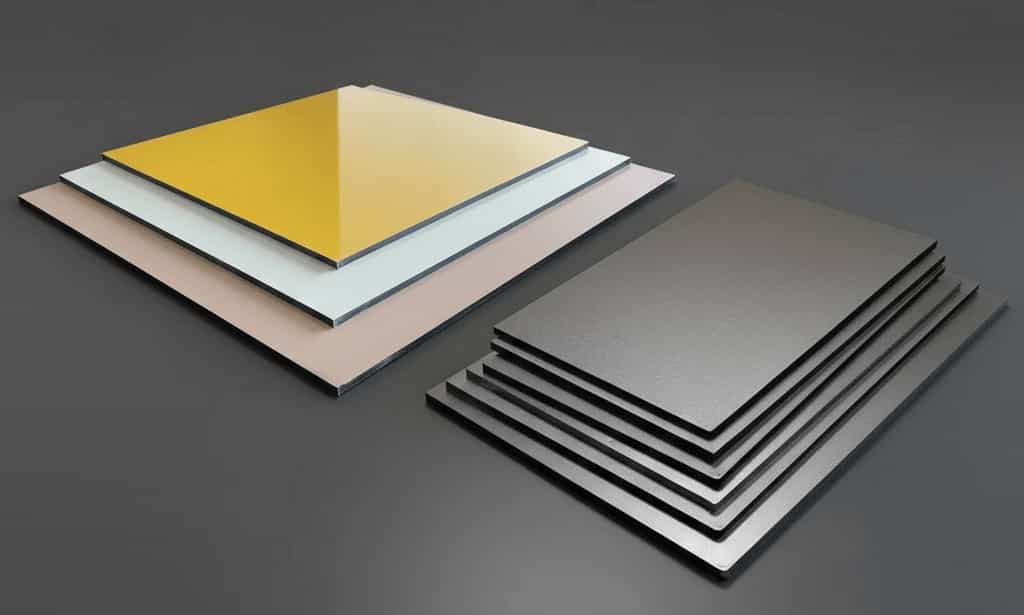
- Key Characteristics: Excellent flatness, flexibility, and a high strength-to-weight ratio.
- Ideal Applications:
- Creating complex, custom-shaped building envelopes and signature building facades.
- High-rise towers and corporate headquarters where uniformity is essential.
- Modern retail storefronts and branding accents.
- Further Reading: Gain a deeper understanding of the composition and ideal uses for Aluminium Composite Panels.
2. Aluminium Solid Panels (Plate Panels)
Solid aluminum panels are typically fabricated from a single, thicker sheet of aluminium alloy that is cut, folded, and perforated. These panels are inherently more rigid and robust than composite panels.

- Key Characteristics: Maximum durability, superior impact resistance, and inherent non-combustible nature.
- Ideal Applications:
- High-traffic areas or ground-floor installations requiring high impact resistance.
- Hospitals and schools where maximum stability and resilience are required.
- Industrial facilities demanding extreme longevity.
3. Insulated Aluminium Panels
These prefabricated sandwich panels consist of an aluminium exterior skin, an insulating core (like PIR or rockwool), and often a metal internal liner. They are designed to achieve exceptional thermal performance in a single, quickly installed component.

- Key Characteristics: Drastic reduction in thermal bridging and superior thermal insulation (high R-value).
- Ideal Applications:
- Office and commercial complexes focused on achieving high energy efficiency ratings.
- Warehouses and cold-storage facilities requiring strict climate control.
- Structures aiming for Green-certified or Passive House standards.
4. Perforated Aluminium Panels
By incorporating precise patterns of cutouts, perforated panels provide unique opportunities for dynamic lighting, shading, and controlled airflow. They are often utilized as an outer decorative screen in a dual-skin facade system.
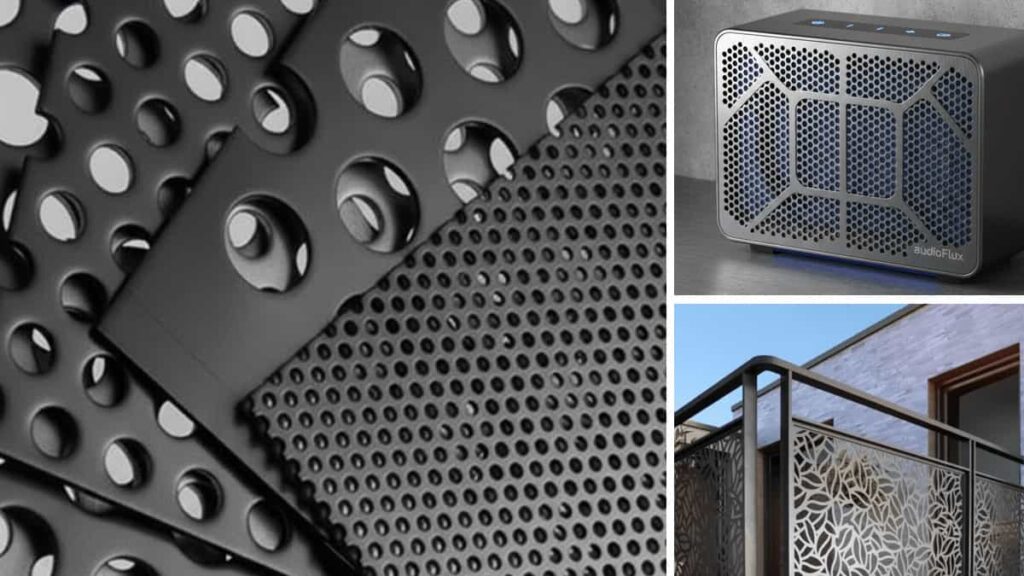
- Key Characteristics: Aesthetic depth, sun-shading (brise soleil), and natural ventilation.
- Ideal Applications:
- Museums, auditoriums, and cultural centers aiming for artistic and visually striking exteriors.
- Façades that require diffused natural light or glare reduction.
The Advantages: Why Aluminium Cladding is an Environment-Friendly Choice
From a project specification and marketing standpoint, the benefits of aluminium cladding directly align with core search intent for building materials: sustainability, durability, and low maintenance.
| Benefit | Value Proposition (High-Value Content) |
| Exceptional Durability & Weather Resistance | Aluminium alloys are naturally resistant to rust, corrosion, and UV degradation. This resilience ensures the façade maintains its appearance and structural integrity for decades, even in severe environments like coastal or high-wind zones. |
| Superior Energy Efficiency | Cladding systems can incorporate effective insulation and create rainscreen façades, which prevent condensation and reduce the transfer of heat, directly contributing to lower operational costs. |
| Design Versatility & Aesthetics | The material can be curved, shaped, perforated, and finished in virtually any color or texture, offering unparalleled architectural freedom. This is largely due to the flexibility of extruded aluminium profiles. |
| Low Maintenance & Long-Term Cost Savings | The finish requires minimal upkeep—typically just periodic washing—eliminating the need for frequent painting or costly repairs associated with traditional materials. |
| Customization Capability | Aluminum is the ideal material for bespoke architectural elements. For specific design requirements, exploring the options for a specialized aluminium profile for a facade can dramatically enhance a building’s unique aesthetic. |
Environmental Impact and Sustainability in Construction
One of the most compelling arguments for aluminium cladding in sustainable construction is its cradle-to-cradle lifecycle. Aluminum is 100% recyclable, retaining all of its original properties during the process. The energy required to recycle aluminium is approximately 95% less than that required to produce primary aluminum, making it a cornerstone of green building initiatives.
Modern projects increasingly rely on aluminum’s sustainable characteristics to achieve crucial environmental certifications and look toward The Future of Aluminium in Sustainable Construction.
Aluminum cladding offers a reliable, durable, and highly aesthetic solution for modern building envelopes. By understanding and choosing the correct panel type—whether the flat precision of ACP, the robustness of solid panels, or the thermal performance of insulated systems—architects and developers can significantly enhance a project’s visual appeal, energy performance, and structural resilience. Investing in high-quality aluminium cladding is a strategic decision that guarantees long-term value and high-performance building facades.
Featured
You May Also Like

4×8 Aluminum & Aluminium Sheet: Standard Size, Thic…
What Is Aluminium? 36 Types, Smelting Process & How Alum…
Aluminium 5005 (Aluminum 5005): The Architect’s Alloy for Su…
Are Low-Maintenance Aluminium Windows Really Cheap? The Trut…
Aluminium Telluride (Al₂Te₃): The Complete Guide