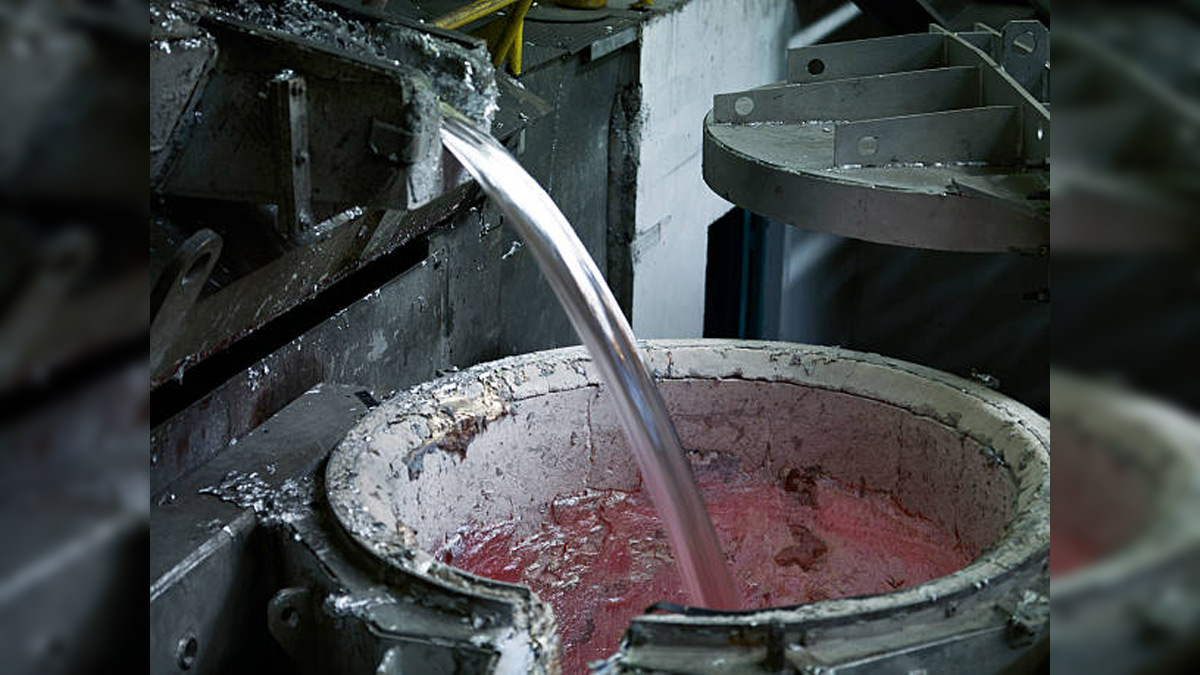
Aluminium lithographic sheets play a crucial role in various industries, most notably in printing. They are specifically designed for lithography, a printing process that relies on the immiscibility of oil and water. These sheets offer significant advantages, especially in terms of efficiency, quality, and durability, making them an indispensable choice for large-scale printing operations.
What are Aluminium Lithographic Sheets?
Aluminium lithographic sheets are high-quality, flat sheets that are often coated with a photosensitive layer. They are primarily used in the offset printing process, where the image is transferred from a plate to a rubber blanket and then onto the printing surface, such as paper. Aluminium’s lightweight, durability, and corrosion resistance make it the ideal material for these applications.
Material Composition
Aluminium lithographic sheets are typically made from pure or alloyed aluminium. They are manufactured under strict quality control to ensure a smooth surface, excellent flatness, and uniform thickness, all of which are essential for producing high-quality prints. Some of these sheets are anodized for additional corrosion resistance and surface hardness.
Usages of Aluminium Lithographic Sheets
1. Offset Printing
Aluminium lithographic sheets are primarily used in the offset printing industry. Offset printing is a widely used method for producing books, newspapers, brochures, packaging, and posters. The smooth and uniform surface of these sheets ensures that the ink is evenly transferred to the printing material, resulting in crisp and clear images.
2. Commercial Printing
For high-volume commercial printing, aluminium lithographic sheets are indispensable. They allow for consistent, long-lasting print quality even during extended printing runs. They are also cost-effective, as the durability of aluminium ensures that the same plates can be used multiple times with minimal degradation.
3. Packaging
In the packaging industry, aluminium lithographic sheets are used for printing labels, logos, and instructions on product packaging. Their reliability and precision help ensure brand consistency and high-quality printed material.
4. Graphic Arts
Artists and graphic designers often utilize aluminium lithographic plates for artistic lithography, where the precision and durability of the material allow for intricate details in prints, posters, and other artworks.
Thickness of Aluminium Lithographic Sheets
Aluminium lithographic sheets are available in various thicknesses, depending on the specific application requirements. The thickness generally ranges from:
- 0.10 mm to 0.30 mm for light-duty applications like smaller printing jobs or shorter production runs.
- 0.40 mm to 0.60 mm for heavier-duty printing applications where longevity and resistance to wear are necessary.
- 0.70 mm and above for specialized applications where thicker plates are required for high-resolution prints or longer runs.
Choosing the right thickness is critical to ensuring the longevity of the lithographic plate and the quality of the printed material.
Top Categories of Aluminium Lithographic Sheets Buyers
These sheets are mainly used for printing – especially in offset printing plates. So, buyers usually fall under these key categories:
| 🏷️ Buyer Type | 🛠️ Example Products / Use |
|---|---|
| 🏭 Offset Printing Plate Manufacturers | PS plates, CTP plates, thermal & UV-sensitive plates |
| 📰 Commercial Printers & Newspaper Presses | High-volume newspaper pages, magazines, flyers |
| 🏢 Printing Equipment Distributors | Resell aluminium litho sheets + printing consumables |
| ♻️ Industrial Scrap Recyclers | Buy used litho sheets for aluminium recovery |
| 🖨️ Packaging & Label Printing Companies | Short-run metal-based packaging, high-quality labels |
| 🧪 Design Institutes & R&D Labs | Testing, training, academic printing experiments |
Popular Companies Who Typically Buy Aluminium Lithographic Sheets
| Region | Company | Type |
|---|---|---|
| 🇮🇳 India | TechNova Imaging Systems | Leading Indian PS/CTP plate maker |
| 🇮🇳 India | Kodak India Pvt Ltd | Global CTP tech, active in Indian printing space |
| 🇮🇳 India | Monotech Systems | Equipment & consumables distributor |
| 🇮🇳 India | Gopal Printpack Solutions | Regional distributor, deals in litho sheets |
| 🇮🇳 India | RMGP (Rama Krishna Graphics) | Chennai-based bulk importer & supplier |
| 🌍 Global | Agfa-Gevaert NV (Belgium) | Global giant in printing plates |
| 🌍 Global | Kodak Graphics (USA) | Offset & digital printing plate supplier |
| 🌍 Global | Fujifilm Holdings (Japan) | High-end CTP plate systems |
| 🌍 Global | Lucky Huaguang Graphics (China) | Major litho sheet exporter |
Pros of Aluminium Lithographic Sheets
1. Durability
Aluminium lithographic sheets are highly durable. Their strength ensures that they can be reused multiple times, which is particularly beneficial for commercial printing. The material’s resistance to wear and corrosion also ensures that the sheets maintain their quality over long periods.
2. Lightweight
Compared to other metals, aluminium is lightweight, making it easier to handle, transport, and install. This is especially important for large-scale printing operations that require the constant movement of plates.
3. High-Quality Printing
The smooth, even surface of aluminium lithographic sheets ensures high-quality, precise printing. The ink adheres well to the sheet, resulting in sharp and accurate images, which is crucial for producing professional-grade printed materials.
4. Cost-Effective
Aluminium lithographic sheets offer excellent value for money. Their durability and reusability reduce the need for frequent replacements, resulting in cost savings over time, particularly in large-scale printing environments.
5. Corrosion-Resistant
Aluminium’s natural resistance to corrosion makes these sheets long-lasting. In industries where the plates may come into contact with water or chemicals, this property ensures that the sheets remain functional without compromising quality.
6. Eco-Friendly
Aluminium is recyclable, which makes it an environmentally friendly choice. This is particularly important for companies looking to reduce their carbon footprint and make more sustainable choices in their operations.
Cons of Aluminium Lithographic Sheets
1. Susceptible to Scratches
Despite their durability, aluminium lithographic sheets can be prone to surface scratches, especially during handling. These scratches may affect print quality and lead to a need for plate replacement sooner than expected.
2. Initial Cost
The initial cost of aluminium lithographic sheets can be higher compared to other materials like plastic or steel. However, this is offset by the long-term cost savings due to their durability and reusability.
3. Limited to Offset Printing
Aluminium lithographic sheets are primarily suited for offset printing processes. For companies that require different types of printing methods, additional materials or plates may be needed, which adds complexity and cost to the operation.
4. Requires Proper Handling
Aluminium lithographic sheets require careful handling during installation and maintenance. Mishandling could result in damage that impacts the quality of the prints or necessitates frequent replacement.
Aluminium lithographic sheets are a staple in the printing industry, particularly for offset printing. Their durability, high-quality output, and lightweight properties make them a cost-effective and environmentally friendly option. While there are some limitations, such as susceptibility to scratches and higher initial costs, the long-term benefits outweigh these drawbacks, especially for businesses involved in large-scale printing operations. When choosing the right aluminium lithographic sheet, factors such as thickness, intended application, and required durability should be carefully considered achieving optimal results.
Related Articles


Featured


You May Also Like

Perforated Aluminium Sheet — More Than Just A Fancy Design

Aluminium vs Wooden Front Doors

The Role of Aluminium in Electrical Wire

Aluminum Wheels: The Raw, Lightweight, and Performance Alloy…

Why Aluminum is Classified as a Nonrenewable Resource