
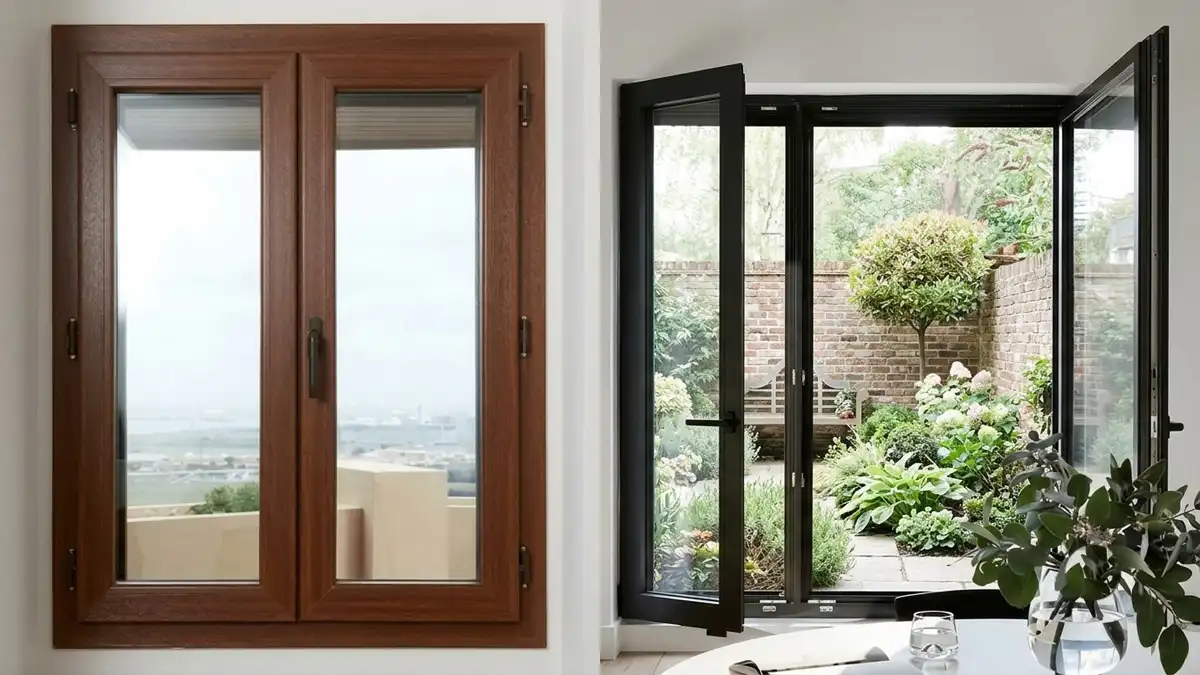
When upgrading or building a home, choosing between wood and aluminum windows is one of the most significant design and material decisions you will face. Wood windows are frequently celebrated for their timeless craftsmanship, while aluminum windows are known for their exceptional durability and sleek engineering. But does that mean wood is an outdated choice? Not at all.
Both structural framing materials possess distinct mechanical strengths and architectural limitations. Selecting the superior choice depends entirely on your project’s architectural style, regional climate conditions, structural maintenance expectations, and overall budget parameters.
Core Comparison Matrix
- Aesthetics: Wood provides rich, natural grain warmth tailored for historic or heritage settings. Aluminum features ultra-narrow sightlines designed for minimalist, bright contemporary living.
- Maintenance Needs: Wood requires regular painting, sealing, and moisture monitoring. Aluminum demands minimal maintenance, naturally resisting elements like wood rot, warp, or insects.
- Thermal Insulation: Timber functions as an elite natural insulator. Aluminum relies on engineered polymer thermal breaks to interrupt heat conductivity and achieve high energy efficiency.
- Investment Profile: Wood carries a premium initial material cost along with lifelong maintenance overhead. Aluminum offers a cost-effective structural solution for grand expanses of glass.
Architectural Style and Visual Appearance
The visual impact of your window frame sets the architectural tone for your entire property, both inside and out.
The Wood Aesthetic
Wood infuses a property with natural warmth, texture, and organic character that synthetic alternatives struggle to replicate. It is the gold standard for traditional, farmhouse, cottage, or strictly regulated heritage-style homes. Furthermore, timber offers versatile customization; it can be stained to show off rich grains or painted any custom hue to adapt to evolving interior design trends over the years.
The Aluminum Aesthetic
Aluminum frames deliver clean lines, razor-thin profiles, and a distinctly modern, industrial finish. Because aluminum is structurally resilient, the frames can be manufactured with incredibly narrow sightlines. This structural strength allows the window system to support massive, heavy glass panels, maximizing daylight transmission and creating bright, open spaces that seamlessly merge indoor areas with outdoor landscapes.
Durability, Lifespan, and Maintenance Demands
How your frames interact with the environment determines their true long-term value and the physical labor required to keep them functional.
WOOD DURABILITY PROFILE
- ✓ Premium Timber Lifespan: High-quality, seasoned wood windows can last for generations when meticulously maintained.
- ✓ Structural Strength: Wood does not expand or contract drastically under standard temperature fluctuations.
- ✓ Surface Repairability: Scratches, dings, or color changes can be sanded out down to raw wood and refinished.
CONS
- ✕ Demands cyclical sanding, painting, or resealing every few years to ward off moisture damage.
- ✕ Susceptible to severe environmental rot, warping, splitting, and destructive insect or termite infestations.
- ✕ Vulnerable to deterioration in high-humidity coastal climates if finishes peel or crack.
ALUMINUM DURABILITY PROFILE
- ✓ Zero-Rot Resilience: Aluminum completely resists rust, corrosion, cracking, blistering, and insect degradation.
- ✓ Ultra-Low Maintenance: Demands nothing more than a routine wipe-down with soapy water to keep clean.
- ✓ Challenging Climate Resilience: Ideal for storm-prone zones, coastal environments, and areas exposed to severe weather variation.
CONS
- ✕ Standard raw frames can be vulnerable to minor surface scratching or dents if hit by heavy objects.
- ✕ Anodized or powder-coated finishes cannot be easily sanded down or changed like timber surfaces.
- ✕ Requires high-grade factory finishes to protect against oxidation in coastal environments.
Energy Efficiency and Thermal Insulation
A window’s capability to limit heat transfer impacts your monthly utility bills and year-round indoor comfort.
Wood Windows: From a material standpoint, wood is a stellar natural insulator. Its dense cellular structure inherently resists heat transfer, keeping winter warmth sealed inside and summer heat outside. This makes timber exceptionally efficient at minimizing thermal bridging without requiring extra internal frame insulation.
Aluminum Windows: Raw metal conducts thermal energy quickly, which historically compromised its insulation performance. However, modern aluminum windows solve this issue using thermal break technology—inserting a reinforced, non-conductive polyamide barrier directly between the interior and exterior aluminum profiles. This insulation break drops heat conductivity, allowing thermally broken aluminum frames to deliver exceptional energy efficiency.
Upfront and Lifespan Costs
Budget assessments must factor in both the immediate installation invoice and the cost of ownership over time:
The Timber Premium: Wood windows demand a notably higher upfront investment due to premium raw material grading and the detailed artisan craftsmanship involved in their production. Homeowners must also factor in recurring costs for paint, protective sealants, and professional maintenance across the window’s operational lifespan.
The Aluminum Investment: Aluminum frames offer an incredibly cost-effective option, particularly when managing large-scale architectural projects or sweeping window walls. Because they completely bypass the need for cyclical refinishing or specialized preservation treatments, their long-term maintenance costs remain close to zero, maximizing your return on investment.
Decision Framework: Which System Fits Your Project?
Select Wood Frames If You Want:
- ✓ An authentic historic restoration, farmhouse, or premium heritage character.
- ✓ The tactile beauty of real wood grains and the freedom to change frame paint colors down the road.
- ✓ Excellent inherent material insulation to maximize natural thermal performance.
Select Aluminum Frames If You Want:
- ✓ A modern, industrial, or minimalist architectural layout.
- ✓ Massive floor-to-ceiling glass expanses supported by ultra-slim frame profiles.
- ✓ A fit-and-forget, low-maintenance window system that stands up to severe weather conditions.
Explore More Window Comparisons & Material Guides
Choosing the right window material involves understanding how different options perform across various climates, architectural styles, and budgets. To help you make a fully informed decision, explore these related articles:
- Aluminium vs. uPVC vs. Wood for Fixed Windows – A three-way comparison that examines how these materials stack up against each other in terms of durability, insulation, and cost for fixed window applications.
- Comparison Between Aluminum vs. Vinyl vs. uPVC Windows – Expand your knowledge with this comprehensive breakdown of aluminum, vinyl, and uPVC window systems, covering performance, aesthetics, and long-term value.
- Aluminium vs. Wood vs. Vinyl Doors and Windows – A holistic guide that compares these three popular materials across doors and windows, helping you evaluate which option best suits your home renovation or new construction project.
The Final Verdict
Ultimately, wood windows are not a “bad” choice compared to aluminum—they simply cater to entirely different architectural and lifestyle priorities. Wood remains unmatched for warmth, classical craftsmanship, and authentic historic appeal. On the otherhand, aluminum stands as the absolute king of structural durability, low maintenance, and clean modern aesthetics. Evaluating how each material matches your lifestyle and local climate will guide you to the perfect decision for your home.
Related Articles

Featured



You May Also Like

Think Twice Before Buying Aluminium Coils From Suppliers

5 Common Problems with Casement Windows (& How to Fix Th…

Aluminum Industry’s Hidden Treasures: Profitable Niche…
Forged Aluminum vs Hard-Anodized Aluminum Fry Pans: What’s t…

Aluminium Nitrate (Al(NO₃)₃): The Complete Guide
