
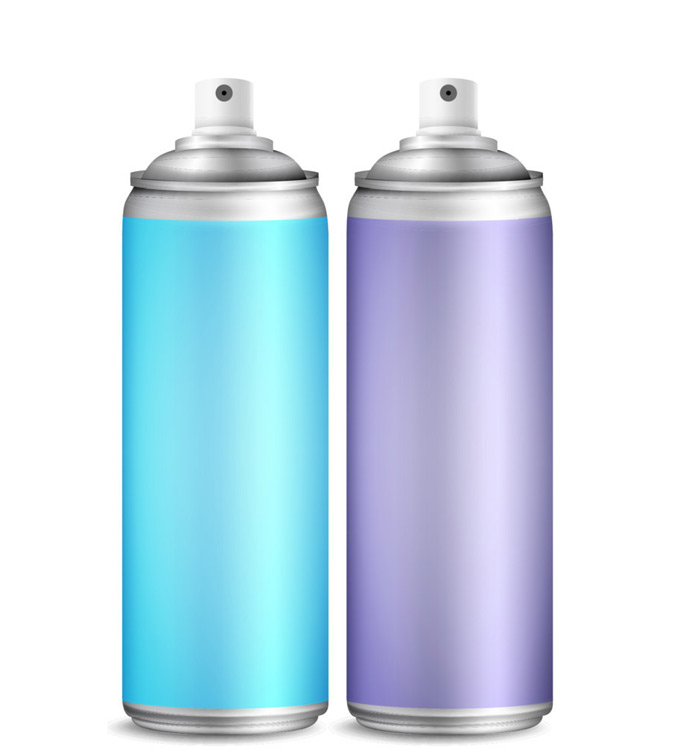
Aluminium is a widely used element in personal care and cosmetic products, valued for its diverse applications and benefits. This article delves into the various uses of aluminium in this industry, its safety profile, and its impact on consumers.
Aluminium Compounds in Deodorants and Antiperspirants
Antiperspirant Efficacy
Aluminium salts, such as aluminium chlorohydrate and aluminium zirconium tetrachlorohydrex gly, are the active ingredients in most antiperspirants. These compounds effectively reduce perspiration by temporarily blocking sweat glands. This reduction in sweat not only helps control body odour but also improves comfort in warm climates and during physical activities.
Mechanism of Action
The primary mechanism by which aluminium salts work involves forming a gel-like plug within the sweat ducts. When applied to the skin, these salts dissolve in sweat and form a gel that reduces the amount of sweat released to the skin’s surface. This process is both effective and reversible, making it a practical solution for managing excessive sweating.
Aluminium in Cosmetic Formulations

Stability and Texture Improvement
In cosmetics, aluminium compounds are used to improve product stability and texture. Aluminium hydroxide, for example, is employed as a thickening agent in creams and lotions. Its presence ensures a consistent product texture, enhancing user experience.
Colour and Opacity Enhancements
Aluminium-based pigments, such as aluminium powder, are utilized to add colour and opacity to various cosmetic products, including eyeshadows, lipsticks, and nail polishes. These pigments provide vibrant colours and a desirable finish, contributing to the aesthetic appeal of the products.
Sun Protection Factor (SPF) Boosters
Aluminium oxide is another notable compound used in cosmetics, particularly in sunscreens. It acts as a physical UV filter, reflecting and scattering ultraviolet light, thereby enhancing the SPF of the product. This additional protection is crucial for preventing sunburn and reducing the risk of skin cancer.
Safety Profile of Aluminium in Personal Care Products
Regulatory Approvals and Safety Assessments
Aluminium compounds used in personal care products are subject to rigorous safety assessments by regulatory bodies, including the FDA, the European Medicines Agency (EMA), and the World Health Organization (WHO). These assessments ensure that the levels of aluminium in these products are safe for daily use.
Toxicological Studies
Extensive toxicological studies have shown that the aluminium compounds used in cosmetics and personal care products are safe for use. These studies assess the potential for skin irritation, sensitization, and systemic toxicity, consistently finding that aluminium poses minimal risk when used as directed.
Addressing Consumer Concerns
Concerns about the potential link between aluminium in antiperspirants and breast cancer have been extensively studied. Current scientific evidence does not support a causal relationship between aluminium-based antiperspirants and cancer. Major health organizations, including the American Cancer Society, have stated that there is no conclusive evidence linking the use of these products to cancer.
Conclusion
Aluminium plays a crucial role in enhancing the efficacy, stability, and appeal of personal care and cosmetic products. Its diverse applications, coupled with a strong safety profile and sustainability benefits, make it an indispensable ingredient in this industry. Ongoing research and innovation continue to optimize the use of aluminium, ensuring that consumers receive high-quality, safe, and environmentally friendly products.
Featured

You May Also Like

Aluminum Foil Food Storage: Myths & Truths You Should Kn…

Aluminum Composite Material & Panels in Architectural De…
Aluminum Hydride (AlH₃): The Complete Guide

Energy-Efficient Windows with Aluminium Mesh Mosquito Nets: …

How to Start and Scale an Aluminium Doors & Windows Busi…
