Enough of Confusion – Let’s Get Real
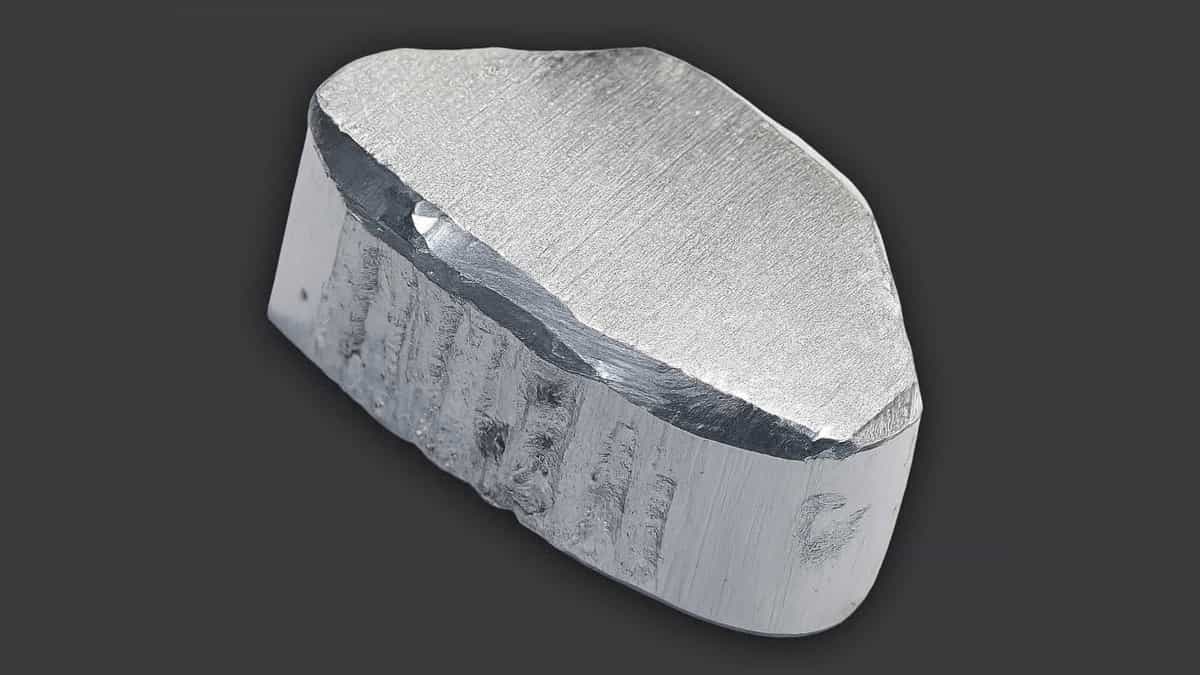
You’ve seen 100 blogs say “aluminium vs uPVC“, but which aluminium? Not every metal with a shiny face is door-worthy. Comparing aerospace-grade Aluminium 7075 to window-grade uPVC? That’s like comparing a fighter jet to your living room fan.
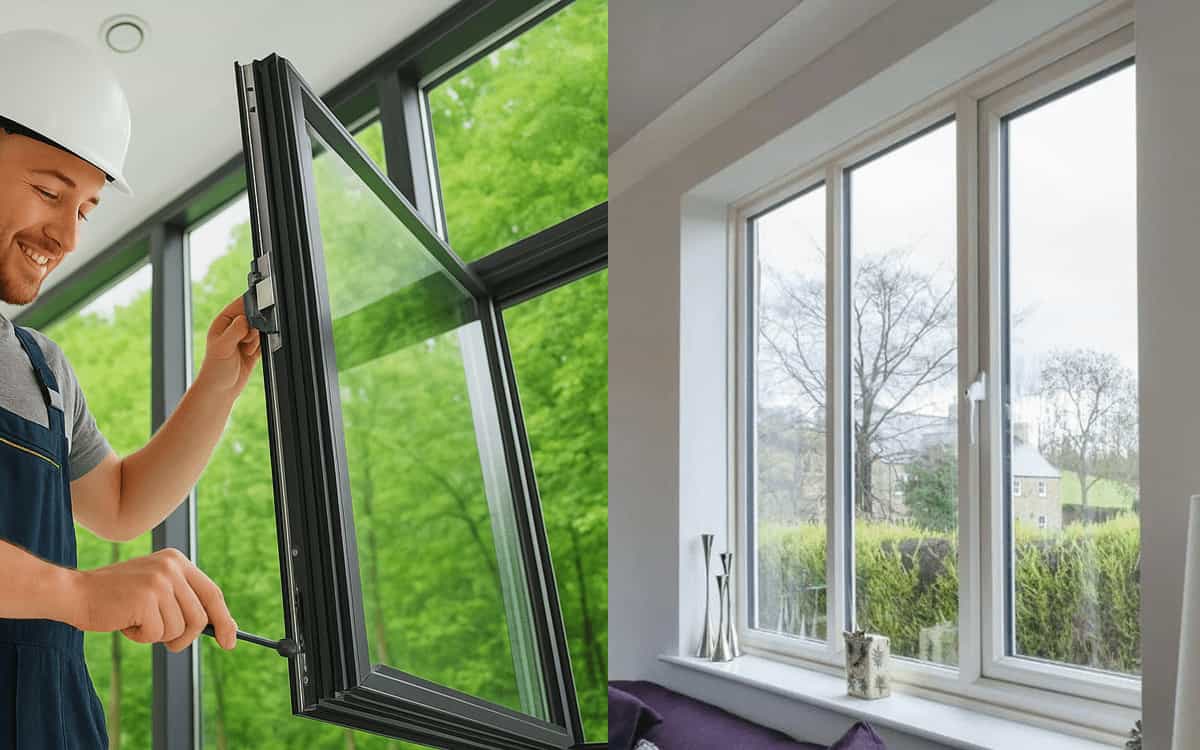
So let’s stop the confusion. This comparison is between Aluminium 6063 (or 6060)—used in windows and doors—and uPVC (Unplasticized Polyvinyl Chloride). No marketing jargon. No “it depends”. Just facts that help you pick the right frame for your home or project—whether you’re in Delhi or Devon.
Material Showdown: Strength Meets Style
✅ Aluminium 6063 – The Tough Customer
- Used in: High-quality door/window frames, curtain walls, façades
- Key Traits: Corrosion-resistant, strong yet lightweight, recyclable
- Bonus: Slim profiles = larger glass area, more light.
🔗 Want sleek & durable designs? Check out aluminium casement windows
✅ uPVC – The Silent Workhorse
- Used in: Budget-friendly window frames for residential use
- Key Traits: Moisture & UV resistant, low maintenance, doesn’t warp or rot
- Bonus: Often better insulation in extreme climates.
🔗 Low maintenance on your mind? Explore uPVC vs aluminium performance
Battle of Strength
Who Lasts Longer?
- Aluminium 6063: Built for long-term use. Zero rust, minimal expansion/contraction. Add a thermal break and it handles weather like a champ.
- uPVC: Resistant to environmental damage, but plastic can crack or fade over time under intense sun or cold.
🎯 UK tip: If you live in a coastal town, go for powder-coated or anodized aluminium.
🎯 India tip: In hot & dusty regions, aluminium wins hands-down on endurance.
Thermal Performance
uPVC’s Time to Shine
- Aluminium (without thermal break): Higher conductivity = more heat/cold transfer
- Aluminium (with thermal break): Matches or beats uPVC in insulation
- uPVC: Lower conductivity by default. Great for energy savings.
🔗 Deep-dive into energy efficiency: Thermal Break Aluminium Windows Guide
Looks Matter
Design & Aesthetic
| Feature | Aluminium 6063 | uPVC |
|---|---|---|
| Profile | Slim, modern | Bulkier, traditional |
| Finish | Powder-coated or anodized | Limited color range |
| Design Flex | Large glass panels, custom shapes | More standard options |
🖼️ Explore design ideas for bifold doors if you love a premium finish.
Maintenance & Lifespan
- Aluminium: Wipe it, forget it. No rust, no nonsense.
- uPVC: Very low maintenance, but plastic fades/yellows over 10–15 years.
💡 Both materials are non-corrosive and weather-resistant—just choose based on how long you want them to look good too.
Cost Comparison
Budget vs Long-Term ROI
| Factor | Aluminium 6063 | uPVC |
|---|---|---|
| Upfront Cost | Slightly higher | Lower |
| Longevity | 30+ years with ease | 15–25 years average |
| ROI on Resale | Higher (modern look) | Moderate |
💸 Tight budget? Go for uPVC.
💼 Premium project? Invest in aluminium—it pays off over time.
🔗 Smart Internal Link Boosts (Sitelink Juice Time!)
- Top 10 reasons to choose aluminium
- Aluminium vs Vinyl vs uPVC – Comparison
- Casement vs Sliding Doors
- Aluminium Awning Windows Guide
- Thermal break and insulation tips
Final Verdict: Aluminium 6063 or uPVC?
| Use Case | Best Choice |
|---|---|
| Budget Residential | uPVC |
| Modern Homes & Villas | Aluminium 6063 |
| Commercial Buildings | Aluminium 6063 |
| Extreme Weather Areas (UK/India) | Thermal Break Aluminium |
| Low Maintenance Needs | Both |
Related Articles


Featured
You May Also Like
Curtain Wall Profiles: Types, Shapes, Materials & Applic…

Home Window Tinting: The Benefits You May Not Know About

The Business of Facades & Glazing: Margins, Capital Need…

Aluminium Is Quietly Becoming the Backbone of the Global Pow…

Aluminum Billet Casting Equipment: A Complete Overview for M…