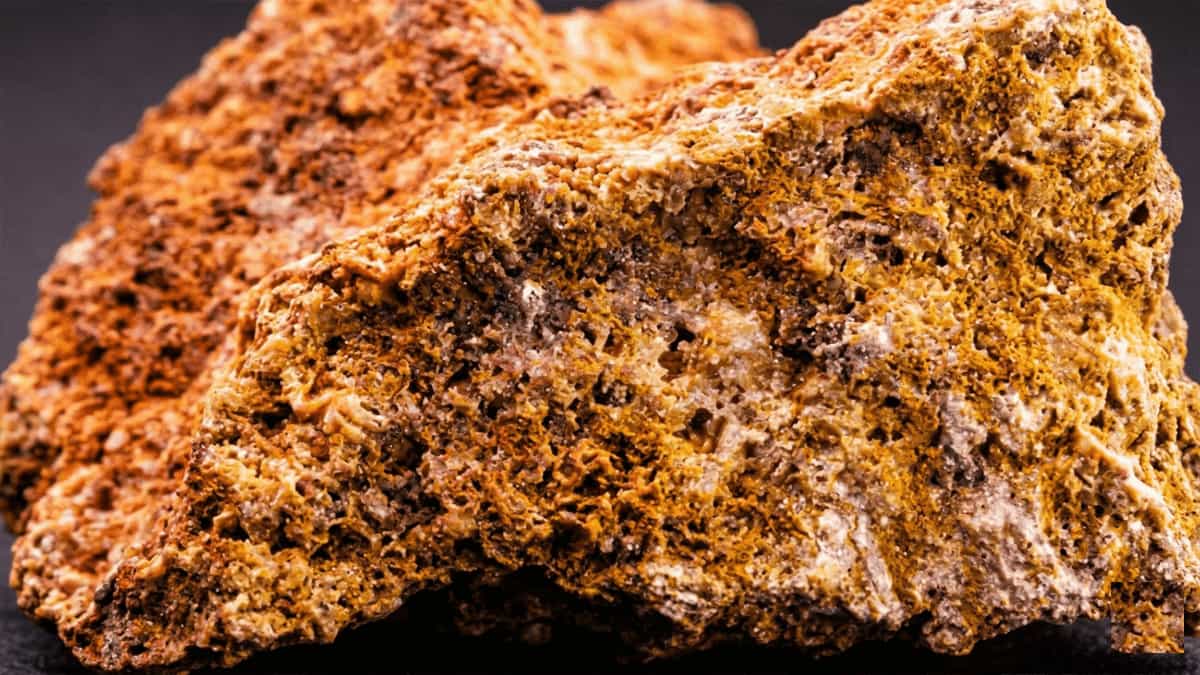
An aluminum billet is a solid block or cylindrical form of aluminum that has been cast or extruded, often used as a raw material in various manufacturing processes. It serves as a precursor for producing a wide range of aluminum products, including rods, tubes, sheets, and profiles. Billets are typically produced through a process called continuous casting or direct chill casting, ensuring consistent quality and uniform composition.
KEY TAKEAWAYS
- Aluminum billets are solid cylindrical or rectangular blocks used as raw materials for extrusion and CNC machining.
- Produced mainly via continuous or direct chill casting for uniform composition and high structural integrity.
- Widely utilized across construction, aerospace, automotive, and electronics industries due to strength and lightweight properties.
The Aluminum Billet Production Process
Key Characteristics of Aluminum Billets
BILLET PROPERTIES
- ✓ Shape and Size: Available in cylindrical or rectangular forms tailored to specific manufacturing needs.
- ✓ Alloy Composition: Formulated from pure aluminum or specialized alloys (e.g., 6061, 7075) depending on application.
- ✓ Homogeneity: Advanced casting ensures uniform grain structure, internal density, and consistent mechanical properties.
Applications of Aluminum Billets
1. Construction Industry
Aluminum billets are used to create extruded profiles for windows, doors, and structural frames. Their light weight and resistance to rust make them suitable for high-rise structures.
2. Automotive Sector
Engine components, chassis, and wheels are manufactured using aluminum billets, ensuring fuel efficiency and durability.
3. Aerospace Industry
Precision-engineered components like wings and fuselages benefit from the high strength-to-weight ratio of aluminum billets.
4. Consumer Electronics
Enclosures for laptops, smartphones, and other devices leverage billets for their heat dissipation and aesthetic properties.
5. Packaging and Transportation
Used in the production of lightweight containers, reducing transportation costs while maintaining durability.
How Aluminum Billets Compare to Other Forms
LEFT SIDE
RIGHT SIDE
Aluminum billets are indispensable in modern manufacturing and infrastructure development. Their adaptability, eco-friendliness, and superior properties make them an unmatched resource for industries worldwide. By understanding their production, properties, and applications, businesses can harness the full potential of aluminum billets for innovative solutions.
FAQs
What is the difference between an aluminum ingot and an aluminum billet?
Ingots are large metal blocks primarily intended for remelting or rolling into sheets, while billets are round or square bars engineered specifically for extrusion or CNC machining processes.
How are aluminum billets manufactured?
They are mostly produced using Direct Chill (DC) casting or continuous casting, where molten aluminum alloy is poured into molds and chilled quickly to ensure a uniform grain structure.
What industries rely heavily on aluminum billets?
The automotive, aerospace, construction, and electronics sectors rely heavily on billets to create lightweight structural frames, motor components, and sleek product enclosures.