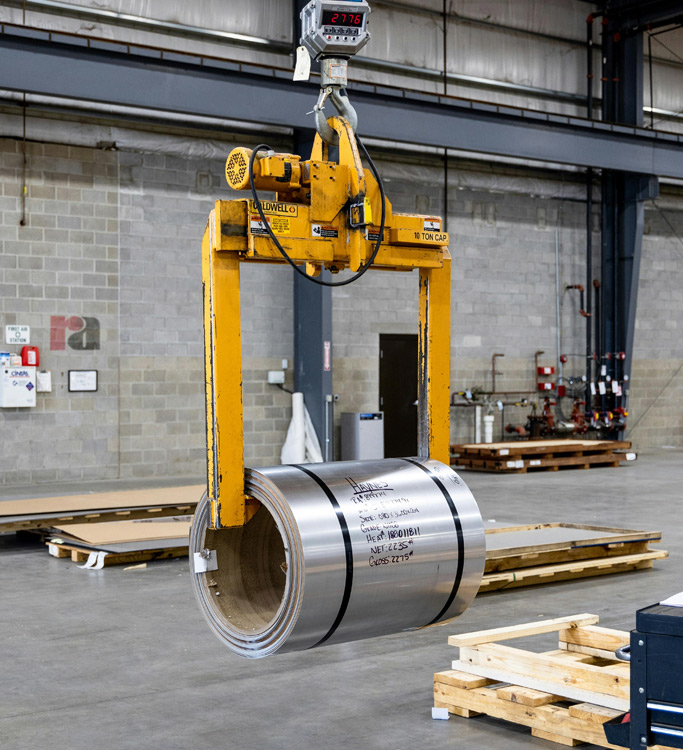
In the realm of business, choosing the right materials can significantly impact operational efficiency, product quality, and overall sustainability. Among the plethora of options available, aluminium stands out as a versatile and advantageous choice for various industries. This article delves into the reasons why aluminium should be considered a primary material for businesses looking to optimize their processes and outcomes.
Advantages of Aluminium
Aluminium possesses a myriad of qualities that make it an attractive option for businesses. Firstly, its lightweight nature coupled with exceptional durability makes it an ideal material for products and structures requiring strength without unnecessary weight. Moreover, aluminium boasts remarkable corrosion resistance, ensuring longevity even in harsh environments. Additionally, its cost-effectiveness, both in terms of initial investment and long-term maintenance, makes it a practical choice for businesses of all scales. Furthermore, the flexibility of aluminium in manufacturing processes allows for intricate designs and customization, catering to diverse business needs.
Applications of Aluminium in Various Industries

The versatility of aluminium finds extensive applications across a multitude of industries. In the construction and architecture sector, aluminium is favoured for its structural integrity, enabling the creation of modern and sustainable buildings.
Similarly, the automotive industry relies on aluminium for lightweight components that enhance fuel efficiency and performance.
Moreover, in the aerospace industry, the unparalleled strength-to-weight ratio of aluminium ensures safety and efficiency in aircraft manufacturing.
Furthermore, the packaging industry benefits from aluminium’s impermeability to light, moisture, and gases, preserving the quality and freshness of goods.
Environmental Benefits of Aluminium
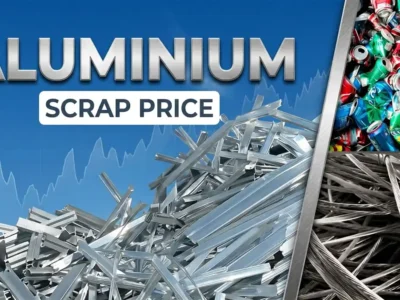
Beyond its functional attributes, aluminium champions environmental sustainability. Its innate recallability makes it a frontrunner in the quest for eco-friendly materials.

Unlike many other materials, aluminium can be recycled indefinitely without losing its inherent properties, thereby significantly reducing waste and conserving resources.
Furthermore, the energy efficiency of aluminium production compared to other materials further minimizes its environmental footprint, aligning with modern businesses’ focus on sustainability and corporate responsibility.
Comparative Analysis with Other Materials
When juxtaposed with alternative materials such as steel, plastic, and wood, aluminium emerges as a superior choice in various aspects.
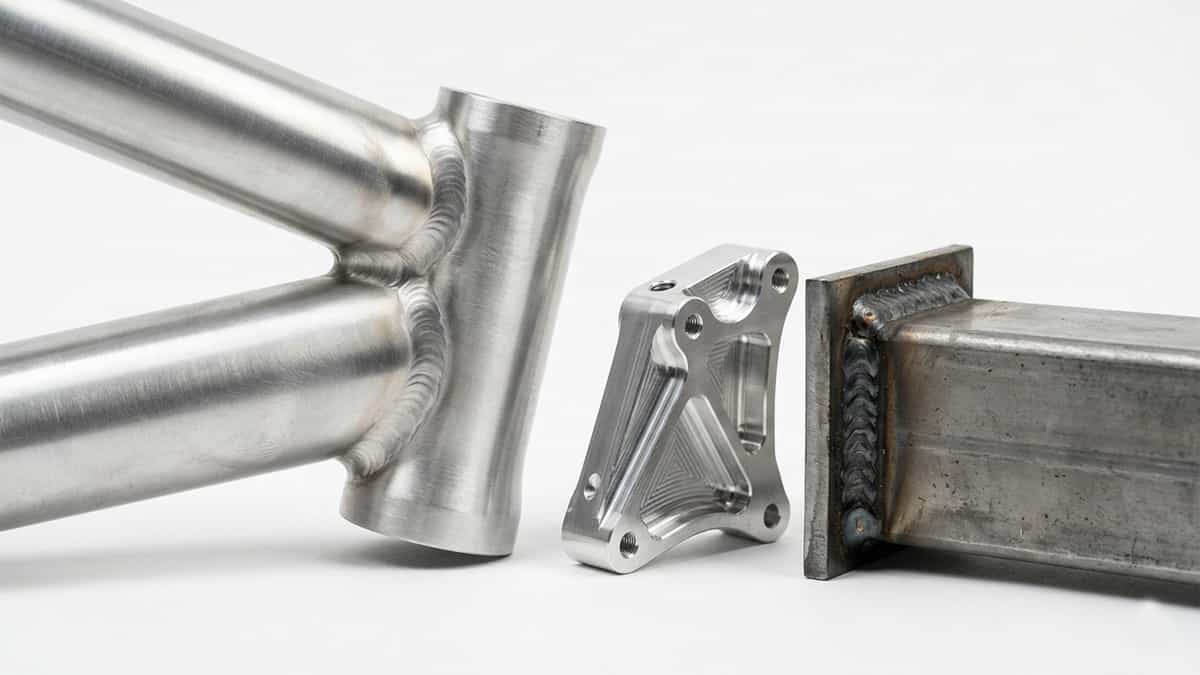
Unlike steel, aluminium boasts a lower density while maintaining comparable strength, resulting in lighter structures without compromising durability.
Additionally, compared to plastic, aluminium offers greater durability and recyclability, addressing concerns regarding plastic pollution and environmental degradation.
Furthermore, in contrast to wood, aluminium exhibits superior resistance to moisture, pests, and degradation, making it a more long-lasting and sustainable option for construction and manufacturing.
Case Studies: Success Stories of Businesses Using Aluminium
Numerous businesses have experienced tangible benefits from integrating aluminium into their operations. For instance, XYZ Construction witnessed significant cost savings and accelerated construction timelines by utilizing aluminium structural components in their projects.
Likewise, ABC Automotive reported enhanced fuel efficiency and reduced emissions in their vehicles by incorporating aluminium body panels and components.
These success stories underscore the transformative potential of aluminium in driving efficiency, sustainability, and competitiveness in business operations.
Considerations for Implementing Aluminium in Business Operations
While the advantages of aluminium are undeniable, businesses must consider several factors before implementation.
Initial investment in transitioning to aluminium-based processes or products may require upfront capital and resource allocation.
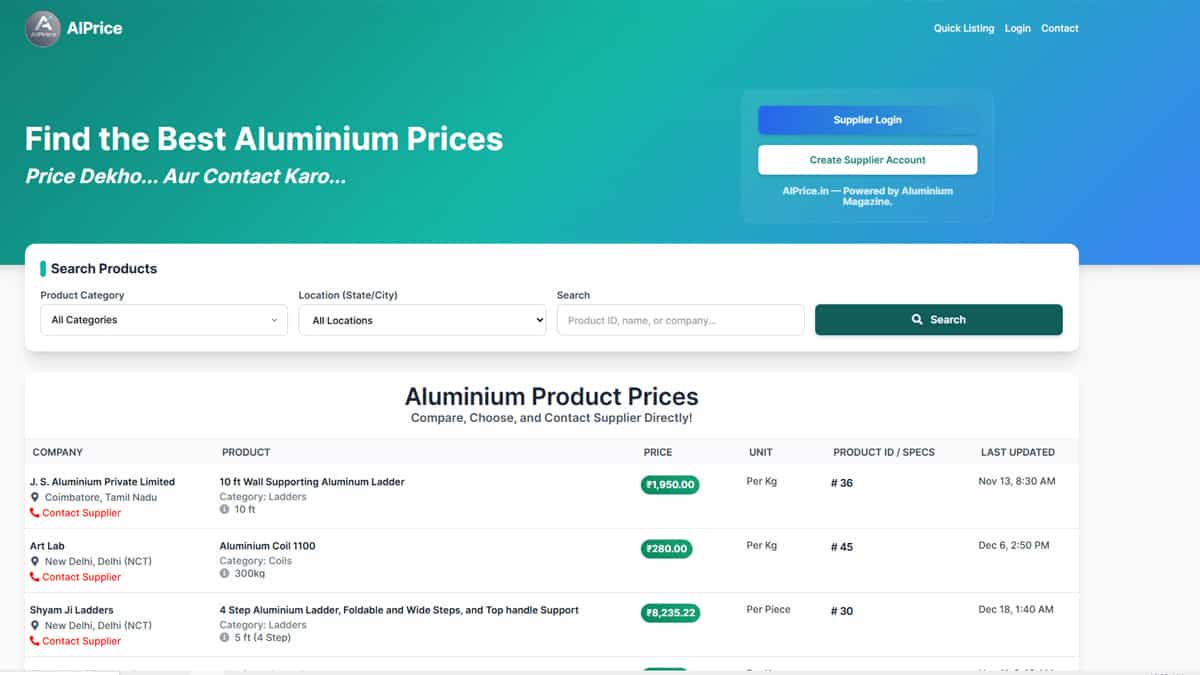
Additionally, businesses must evaluate their supply chain dynamics to ensure consistent access to high-quality aluminium materials.
Moreover, a long-term perspective is essential to fully capitalize on the sustainability and durability benefits of aluminium, necessitating strategic planning and investment.
Challenges and Solutions
Despite its numerous benefits, businesses may encounter challenges in adopting aluminium. These may include concerns regarding initial investment costs, supply chain reliability, and potential technical limitations.
However, proactive measures such as cost-benefit analysis, supplier partnerships, and technological innovations can mitigate these challenges and maximize the return on investment in aluminium.
By leveraging the expertise of industry professionals and embracing a collaborative approach, businesses can overcome obstacles and unlock the full potential of aluminium in their operations.
Future Trends and Innovations
Looking ahead, the future of aluminium holds promising innovations and advancements. Emerging technologies in aluminium production, such as additive manufacturing and recycled aluminium alloys, offer new possibilities for efficiency and sustainability.
Moreover, innovative applications of aluminium in emerging industries such as renewable energy, electric mobility, and advanced electronics underscore its enduring relevance and adaptability in a rapidly evolving business landscape.
Conclusion
In conclusion, aluminium emerges as a compelling choice for businesses seeking to enhance performance, sustainability, and competitiveness. Its unique combination of strength, lightweight, durability, and recyclability positions it as a versatile material with multifaceted benefits across various industries. By embracing aluminium, businesses can not only optimize their processes and products but also contribute to a more sustainable and resilient future.
FAQs
- What makes aluminium a suitable choice for businesses?
Aluminium offers a combination of lightweight, durability, and recyclability, making it ideal for various industrial applications. - How does aluminium contribute to environmental sustainability?
Aluminium’s recyclability and energy-efficient production process significantly reduce its environmental footprint, aligning with businesses’ sustainability goals. - Are there any drawbacks to using aluminium in business operations?
While aluminium offers numerous benefits, businesses must consider factors such as initial investment costs and supply chain dynamics before implementation. - Can small businesses afford to implement aluminium in their processes?
Small businesses can explore options such as aluminum recycling and strategic partnerships to minimize costs and maximize the benefits of aluminium. - What are some innovative uses of aluminium in modern industries?
Aluminium finds innovative applications in renewable energy systems, electric vehicles, and advanced electronics, reflecting its adaptability and relevance in emerging sectors.