

Aluminium alloys 6061 and 6063 are both popular choices in various industries due to their unique properties and applications. While they share similarities, they also have distinct differences:
Composition
Aluminium 6061: This alloy primarily consists of aluminium, magnesium, and silicon. It typically contains magnesium around 0.8-1.2% and silicon around 0.4-0.8%, along with other trace elements.
Aluminium 6063: This alloy also contains aluminium and silicon as its primary elements, with magnesium and traces of other elements. The magnesium content is usually lower than in 6061, typically around 0.45-0.9%.
Strength
Aluminium 6061: It offers higher tensile strength compared to 6063. This makes it suitable for structural applications where strength is a crucial factor.
Aluminium 6063: While still possessing decent strength, it is not as strong as 6061. It’s commonly used in applications where strength requirements are not as demanding, but where corrosion resistance and formability are important.
Corrosion Resistance
Aluminium 6061: It has good corrosion resistance, particularly in harsh environments. However, it may not be as corrosion-resistant as 6063 in certain conditions.
Aluminium 6063: This alloy has excellent corrosion resistance, particularly against atmospheric conditions. It’s often used in architectural applications where exposure to weather elements is a concern.
Formability
Aluminium 6061: While it can be formed through various processes, it’s not as easily extruded as 6063 due to its higher strength.
Aluminium 6063: This alloy is highly extrudable, making it a preferred choice for applications requiring intricate shapes and designs, such as architectural extrusions.
Weldability
Aluminium 6061: It has good weldability, although it may require special techniques or filler materials for certain applications.
Aluminium 6063: Similarly, it also exhibits good weldability and can be welded using common techniques.
Applications
Aluminium 6061
Due to its higher strength and toughness, it’s commonly used in structural components, such as aircraft fittings, marine components, and automotive parts.

Aluminium 6063
Its excellent extrudability makes it ideal for architectural applications like window frames, door frames, and other extruded profiles where aesthetics and corrosion resistance are important.

In summary, while both alloys have their strengths and applications, 6061 is preferred for applications where strength and structural integrity are paramount, while 6063 is favoured for applications where corrosion resistance, formability, and aesthetics are more critical.
Read this: Aluminium and Its Various Types
Related Articles


Featured


You May Also Like
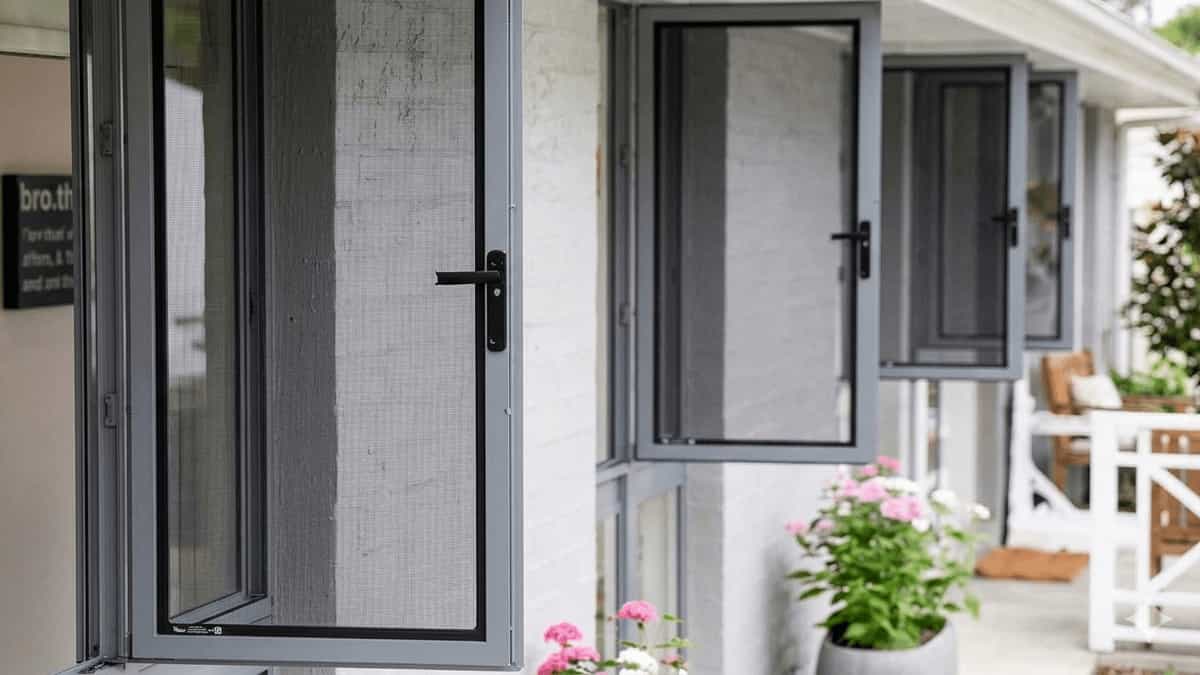
Which Mosquito Net is Best for Aluminium Casement Window Fra…

How to Maintain Aluminum Windows – Tips You Need!

Single Glazed vs. Double Glazed Windows – Pros, Cons & …
Aluminium Windows Problem: Dropped Sash in Casement Windows

How the Iran War Is Disrupting the Global Aluminium Market
